The Cannes Film Festival isn’t just a red carpet event. It is the largest international showcase of cinematic art on the planet. For established stars, it’s a party. For the undiscovered filmmaker, it is practically a religious experience.
Think of it this way: The Oscars are an invitation-only club. Cannes is open to anyone with a reel.
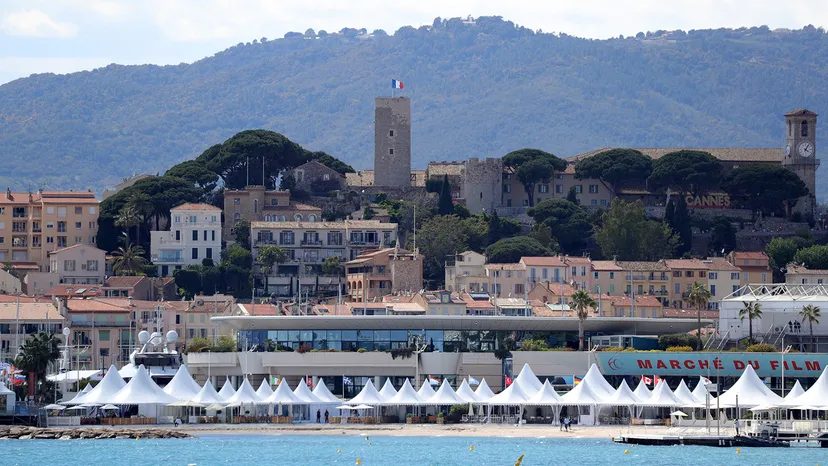
Every year for twelve days in May, the coastal city of Cannes in southern France transforms into the global capital of cinema. Directors, producers, distributors, and journalists descend on the Mediterranean. If you are not one of these people, getting a ticket to a screening is nearly impossible. But you can still soak up the energy. You can watch the superstars arrive. You can feel the weight of the industry in the air.
This festival has launched the careers of giants like Quentin Tarantino and Steven Soderbergh. It is an eclectic mix of high-brow black-tie premieres and gritty midnight screenings on the beach. The structure is complex, with main competitions, sidebars, and a maze of awards.
But what actually happens when the cameras stop flashing? Why does this small French city hold so much power over global film culture?
The Mechanics of Discovery
The primary draw for new talent is the accessibility. How does the Cannes Film Festival support new filmmakers?
Unlike other major awards that rely on studio campaigns, Cannes accepts submissions from almost anywhere. This democratizes the playing field. A film shot on a shoestring budget in a non-English speaking country has the same physical space on the screen as a blockbuster.
The festival’s influence is undeniable. It is not just about winning a prize. It is about visibility. When a film plays in competition, it attracts the attention of international buyers. These are the distributors who will take your movie to theaters in Tokyo, Berlin, or New York. Without that exposure, many indie films would vanish into obscurity.
More Than Just Movies
The Cannes Film Festival history is steeped in controversy and glamour. It has always been a place where politics and art collide.
The lineup is curated by a chief programmer who makes tough choices. They balance commercial appeal with artistic risk. You might see a Hollywood star next to a debut director from Vietnam. This juxtaposition is what makes the festival unique. It refuses to categorize films neatly.
“It’s not like the Oscars. Anyone can submit a film, and every submission has the chance to be viewed by representatives of the international movie industry.”
This openness creates a specific type of pressure. Filmmakers know that one screening can change their career. It can also destroy their reputation if the response is cold. The stakes are incredibly high.
The Atmosphere
Walking through Cannes in May is overwhelming. The Croisette is lined with flags. Hotels are booked months in advance. The media presence is aggressive. Journalists camp out outside venues to get quotes.
For the average person, it is a spectacle. You see limousines. You see photographers. You see the tension between the art and the business.
But beyond the glitz, there is a genuine love for the medium. Directors stand in lines for food. Actors debate plot points in hotel lobbies. It is a community, however temporary.
The festival continues to evolve. Streaming platforms now compete for slots.

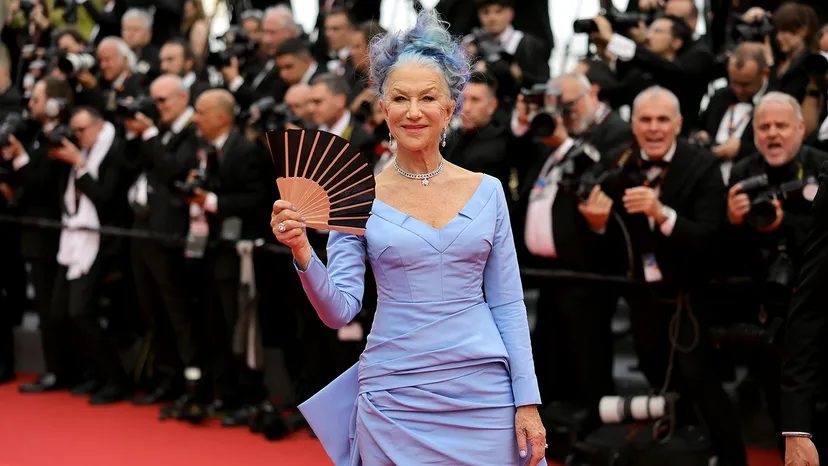
The vibe at Cannes is a collision of worlds. You have groundbreakers, first-time directors, and international A-listers sharing the same air. It’s a strange alchemy. The festival prides itself on an “art-above-all” philosophy. The official site claims they give film space to shine, showcasing a massive diversity of voices. They say this commitment to rising talent is what shaped the event. But then you look down. The red carpet is there. The press is snapping. Security guards are turning away people whose shoes aren’t fancy enough.
It’s art meets stardom meets cold, hard cash. Cannes is the number one international market for debut features. Multi-million dollar deals happen here every year. That attracts roughly 80,000 industry folks and tourists. Plus 4,000 journalists. The spring weather in Cannes helps, too.
This international focus wasn’t always the goal. It started as a political protest. In the 1930s, fascist regimes were rising in Europe. They were pushing their influence into the art world. The top festival was in Venice. In 1939, a French film was expected to win. Instead, a German film and an Italian film split the prize. Both had political ties. The French, British, and American judges walked out in protest.
France responded by starting its own festival. The Festival International du Film launched in 1939. It only screened one film: William Dieterle’s The Hunchback of Notre Dame. Then Germany invaded Poland. France joined WWII. The festival was canceled. They tried again in 1946. This time, it stuck. What began as a snub of Venice became the most famous film festival on the planet. Now known as the Festival de Cannes, it’s a protest that won.
How Cannes Film Selections Work
Around 2,000 films hit the inbox every year. The selection committee watches every single one. It’s a mountain of work. Only about 56 feature films and 14 shorts make the cut for the Official Selection. That’s the core. Add in opening and closing films. Then there are the sidebars: Directors’ Fortnight and International Critics’ Week.
The Official Selection is split into specific buckets. You have Competition. Feature Films Out of Competition. Un Certain Regard. And Cinefondation.
The rules for entry are tight. For Competition, Out of Competition, or Un Certain Regard, a film must be produced within the 12 months before the festival. It can’t have been shown anywhere else internationally. No other countries. No other festivals. No internet premieres. If it’s in Competition, it must also have had a theatrical release in France.
Short films are capped at 15 minutes. Feature films? No limit. Take the 2003 Un Certain Regard pick La Meglio Gioventu by Marco Tullio Giordana. It was five and a half hours long. You read that right.
Films screened Out of Competition are usually projects the committee wants to honor but don’t fit the strict Competition criteria. They’re the stars of the show, but not competing for the top prize. Un Certain Regard is different. It’s where you find first-time filmmakers. Experimental techniques. Progressive trends from established directors that haven’t hit the mainstream yet.
Then there’s Cinefondation. Started in 1998, this category is for film students only. Must be enrolled in film school. Fiction only. Live action or animation. Maximum runtime is one hour. The film must be produced within 18 months of the festival. And just like the other sections, it can’t have had an international premiere.
Want to see what’s playing in Directors’ Fortnight, International Critics’ Week, or the specific Un Certain Regard picks? Check the official Cannes website. The lists are there. The rules are strict. The history is deep. And the tension between the art and the ego is palpable. What happens when a student film beats a blockbuster? The internet will argue about it for weeks.
How the Cannes Jury Works and Why It Matters
You might think picking the winners is a democratic process. It isn’t. There are two official bodies at play: the Feature Films Jury and the Short Films and Cinefondation Jury. Voting is secret. Majority rules. And if you have a film in competition, you can’t vote. Simple enough.
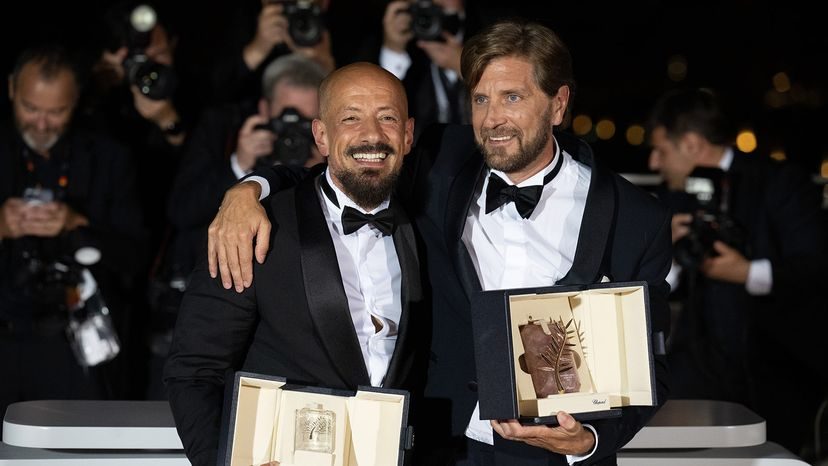
The committee that picks the films also picks the jurors. They’re all industry insiders. Lately, that means almost exclusively directors or actors. It’s an honor to be invited. It’s a bigger honor to be president. The goal is to recognize achievement. For 2023, Swedish director Ruben Ostlund took the top spot. He was joined by Zambian director Rungano Nyoni and American actor Brie Larson.
The Big Prize: Understanding the Palme d’Or
There are lots of awards. But the Palme d’Or is the big one. It goes to the best feature film and the best short film in competition. When people say “Palme d’Or,” they usually mean the feature film trophy. It’s the industry’s golden standard.
Then there’s the Camera d’Or. A separate jury hands this out. It’s for the best first-time filmmaker. It covers everything in the Official Selection, Directors’ Fortnight, and International Critics’ Week. The rules are strict. A “first-time film” must be at least an hour long. The director can’t have made a movie of that length for cinema or TV before.
Why Cannes Awards Change Every Year
The awards aren’t set in stone. Juries have the freedom to add prizes based on what they see. This makes every year unique.
- In 2000, Pavel Lounguine’s “La Noce” took the award for best ensemble of actors.
- In 1998, Todd Haynes’ “Velvet Goldmine” won the prize for greatest artistic contribution.
- In 1991, Samuel L. Jackson won the first-ever best supporting actor award for “Jungle Fever.”
Want to see the full history? The official website has the archive. But don’t just look at the trophies.
Why Getting Selected Is Half the Battle
Winning is huge. But getting there is where the real work happens. The screenings are a major aspect. It’s a place for new films, new artists, and new approaches to be seen by the people who matter.
The Marche du Film is the biggest international film market. Whether you win the Palme d’Or or not, you can attract critics and producers. They launch careers. Especially for indie films, an invitation is a massive boost. A win usually means serious dollars. Producers want the next big thing. They’re watching.
Past Winners and Quick Facts
Look at the list of past winners. 2002’s “The Pianist.” 1994’s “Pulp Fiction.” 1989’s “Sex, Lies and Videotape.” The 2022 winner was “Triangle of Sadness.”
Where is the Cannes Film Festival held?
It’s at the Palais de Festivals et des Congres in Cannes, France.
Can anyone go to Cannes Film Festival?
No. It’s for film professionals and A-list celebrities. The events are restricted. The general public cannot attend.
What does the Festival de Cannes celebrate?
It’s the largest international showcase of cinematic art in the world.
How do I submit to the Cannes Film Festival?
Anyone can submit via the online application for the annual festival.
What is awarded at Cannes Film Festival?
There are many prizes. But the most prestigious is the Palme d’Or (“Golden Palm”). It goes to the best film.