It’s a bubble. A huge one.
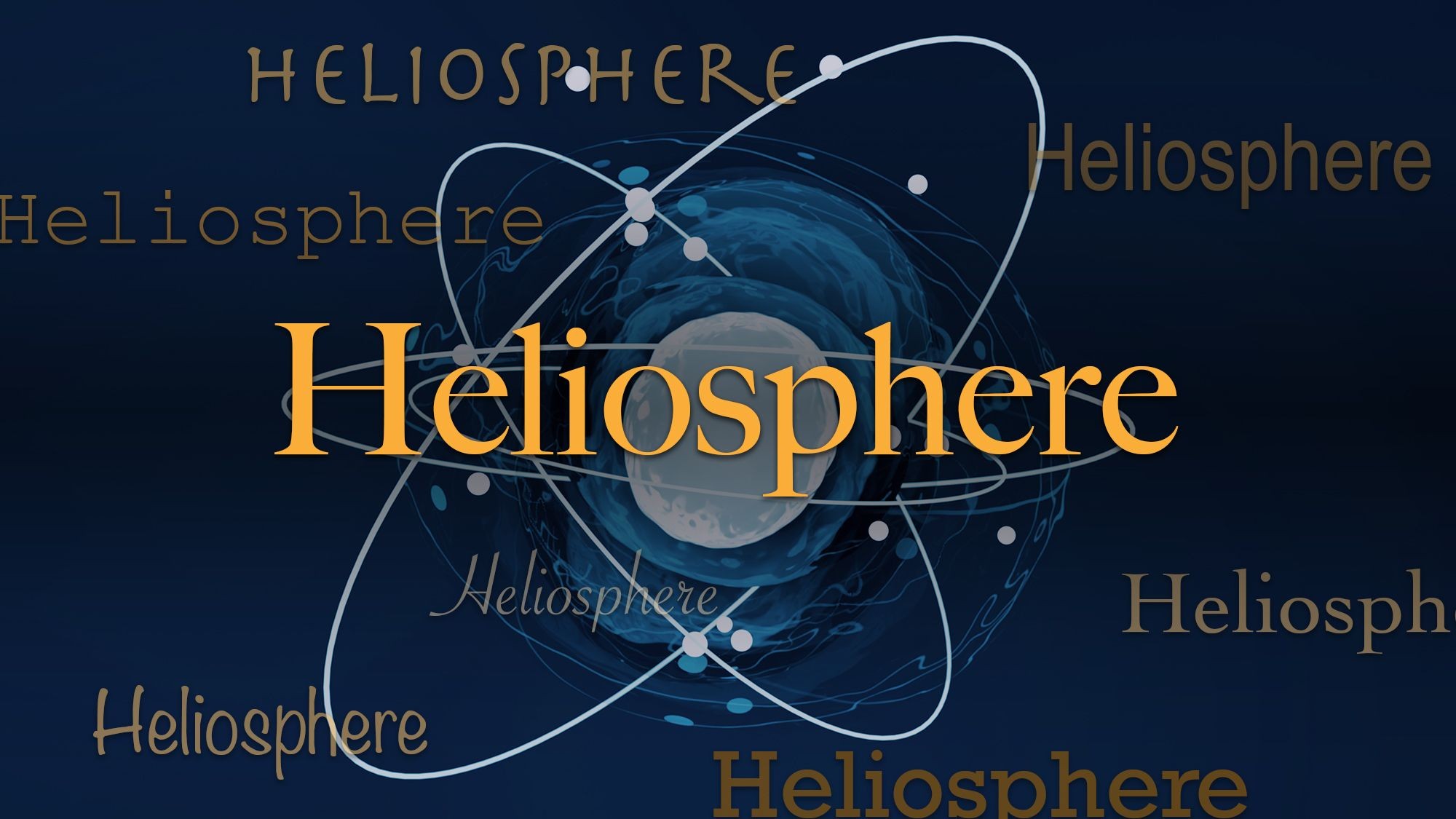
The heliosphere defines the edge of our sun’s influence. It isn’t just empty space. It’s the region where solar wind dominates. That’s a continuous flow of charged particles shooting out from the sun’s corona. They blast through the solar system. They push back against the interstellar medium. The result is a protective shell around everything we know.
How big is this thing? It reaches out three times the distance of Pluto from the sun. That’s vast. It shields the planets. It acts like an umbrella against cosmic radiation from deep space. But there’s a catch. That same solar wind can erode planetary atmospheres over time. It wears them down.
Earth has a backup system. A personal shield. We call it the magnetosphere. This magnetic bubble deflects the brunt of the solar wind. Without it, things would be messy. The atmosphere would strip away. We wouldn’t be here.
For a long time, scientists had a specific image of this structure. They pictured the heliosphere as a comet. Why? Because our entire solar system is moving through the galaxy. If you move fast through a medium, it shapes like a tear-drop. Pointy in front, trailing behind. A comet tail.
But recent research challenges that idea. New data suggests the shape is wrong. Or at least, incomplete.
Is the solar wind blowing hard enough to keep that pointy tail? Maybe not. The interactions between the sun’s wind and the local interstellar medium might be more complex than a simple wake. The result? A shape that looks less like a sleek spacecraft and more like a sad, deflated crescent. A croissant. Flat on the sides. Not aerodynamic at all.
Why does this matter? It changes how we understand the boundary of our solar system. It affects how cosmic rays enter the inner system. It matters for future space travel. It matters for understanding planetary health.
The heliosphere is not static. It breathes. It reacts. It shifts with the sun’s activity. It pushes back against the void.
So next time you look at the night sky, remember: you’re looking through a bubble. One that’s possibly misshapen. Possibly messy.
Not a comet. Never really a comet.
Just a croissant floating through the dark.