Archaeological research in South Africa has revealed the oldest confirmed use of poison weapons by humans. A new analysis of arrow tips discovered in the Umhlatuzana rock shelter proves that hunter-gatherers were systematically using toxins on their hunting tools at least 60,000 years ago. This discovery pushes back previous estimates by over 50,000 years, challenging assumptions about the sophistication of early human hunting techniques.
The Discovery at Umhlatuzana
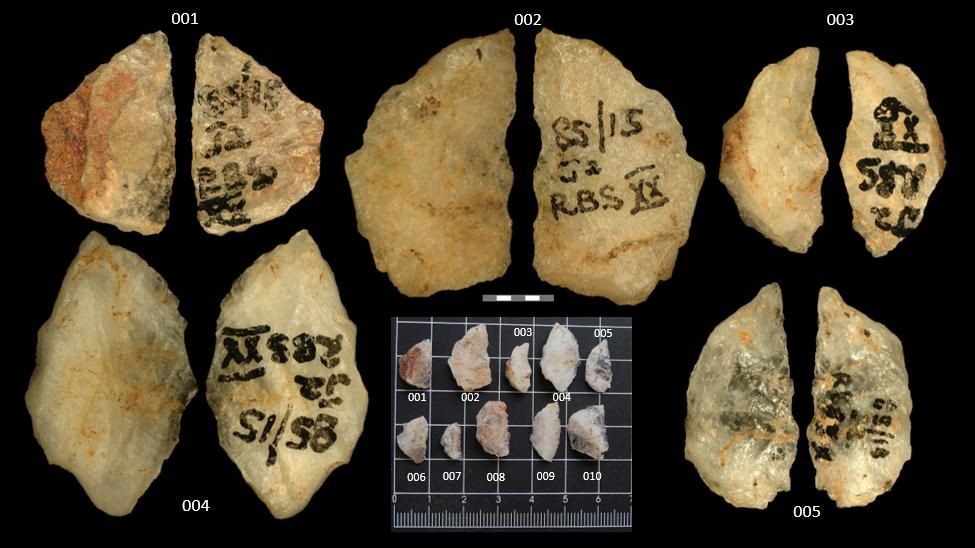
The study, published in Science Advances, chemically analyzed 10 arrow tips excavated in 1985. Five of these still contained traces of potent toxins derived from local plants. Researchers identified buphandrine and epibuphanisine, compounds likely extracted from a tumbleweed species. These poisons wouldn’t have killed prey instantly, but weakened them, making persistence hunts far more effective.
This wasn’t just about killing; it was about efficiency. Hunter-gatherers in this period faced a difficult choice: expend massive energy chasing prey to exhaustion, or use poison to reduce that burden. The poison arrow solves that problem.
Implications for Early Cognitive Abilities
The use of poison demonstrates a level of pharmacological understanding previously underestimated in early humans. The toxins don’t act immediately, meaning the hunters had to anticipate the effects and plan their hunts accordingly.
“Humans have long relied on plants for food and manufacturing tools, but this finding demonstrates the deliberate exploitation of plant biochemical properties,” said study lead author Sven Isaksson.
The ability to understand cause and effect, combined with foresight, suggests a level of cognitive complexity that aligns with other evidence of symbolic thought from the same period.
Context and Previous Findings
Prior to this discovery, the oldest confirmed evidence of poison weapons dated back 7,000 years, found in a South African cave. There was also speculation about a 24,000-year-old “poison applicator,” but the evidence was never conclusive.
The remarkable survival of these toxins is key. The Umhlatuzana rock shelter provided ideal conditions for preservation, allowing researchers to analyze traces that would otherwise have degraded.
The most likely source of the poison is the Boophone disticha plant—known locally as “poison bulb”—which still grows nearby today. The team confirmed its presence in modern samples, suggesting it was available to these prehistoric hunters.
Future Research
The discovery raises questions about the continuity of poison use. Was this technique abandoned at some point, or did it evolve into more complex recipes over time? Researchers plan to analyze younger deposits at the site to determine whether poison arrows were a consistent part of the hunting strategy.
This finding demonstrates that early humans were not simply reacting to their environment; they were actively manipulating it with a clear understanding of chemistry and behavior. The implications for our understanding of early cognition and hunting strategies are significant.