On April 1st, the Artemis II mission began its historic ten-day journey around the moon, marking the first crewed lunar flight since 1972. This mission isn’t just a symbolic return; it’s a crucial test flight for the Artemis program, which aims to land astronauts on the moon again in 2028 and eventually establish a permanent lunar base.
Preparing for the Voyage
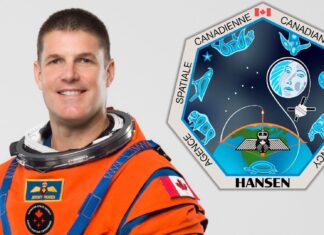
The four-person crew – commander Reid Wiseman, pilot Victor Glover, and mission specialists Christina Koch and Jeremy Hansen – are currently executing a carefully planned trajectory. This involves a gravitational slingshot maneuver around Earth to gain momentum before a critical “translunar injection” burn that will propel them on the 245,000-mile (394,000 km) flight to lunar orbit. The stakes are high, with the mission designed to validate systems for future lunar landings.
Scale and Power of the SLS Rocket
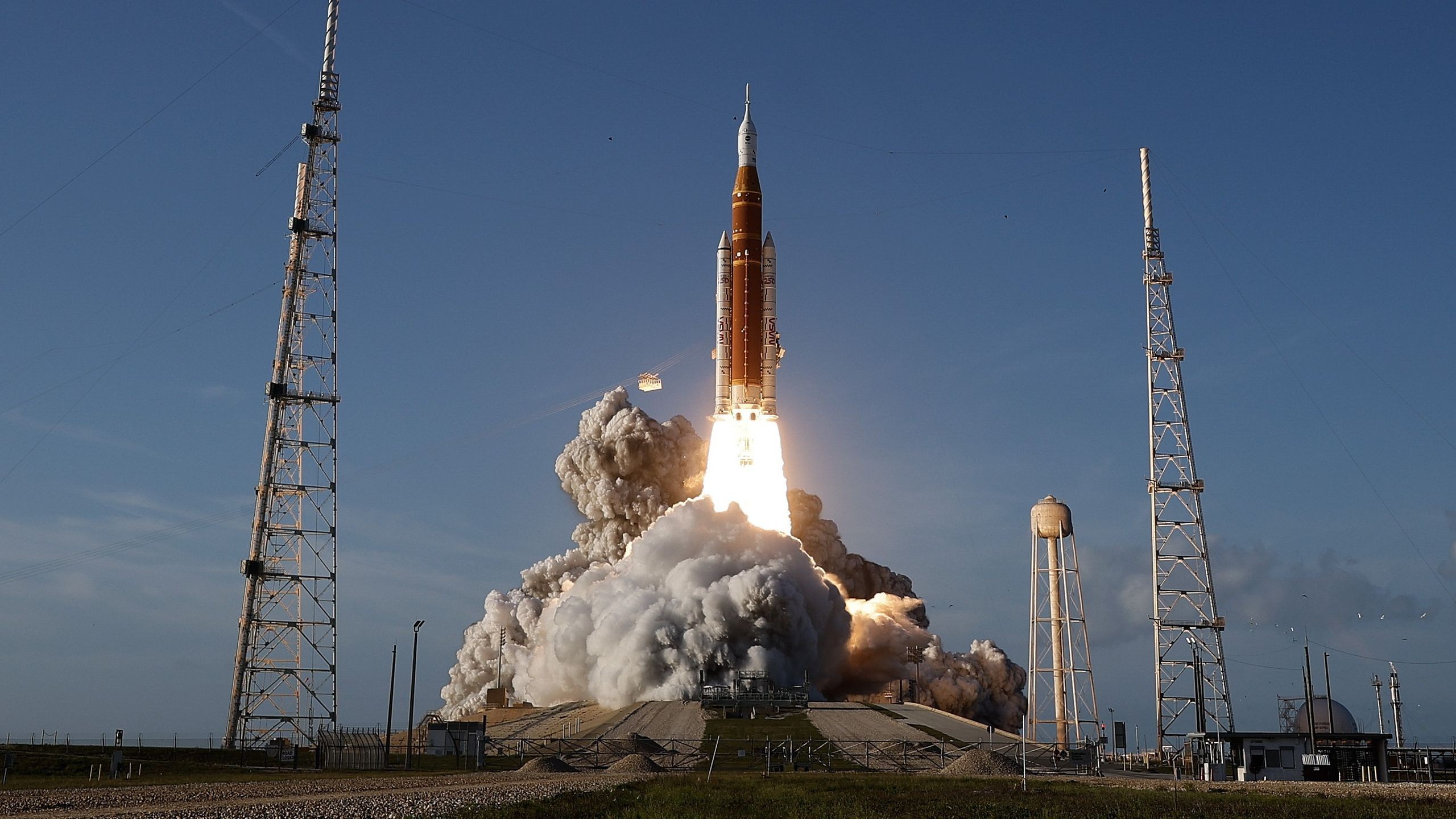
The Artemis II rocket stands at an imposing 322 feet (98 meters) tall, surpassing the height of the Statue of Liberty. It generates over 8.8 million pounds (4 million kilograms) of thrust to lift a crew capsule roughly the size of a camper van. The sheer power required is staggering: the rocket consumes over 730,000 gallons (28,000 liters) of liquid hydrogen and liquid oxygen in its core stage alone. At peak operation, the engines burn through propellant at a rate of 1,500 gallons (5,700 liters) per second – enough to drain an Olympic-size swimming pool in eight minutes.
The Human Factor: Preparation and Extreme Conditions
Astronauts undergo strict pre-flight quarantine to minimize health risks. The Artemis II crew spent time with their families before isolation, engaging in rituals like card games to ward off bad luck. Once airborne, the crew experiences extreme forces, up to four times Earth’s gravity during ascent, accelerating to speeds of 10,000 mph (16,000 km/h). Reentry will push them even further, exceeding 25,000 mph (40,000 km/h) – making them the fastest humans in history.
The Spectacle and Legacy of Spaceflight
The launch itself was a monumental event, witnessed by an estimated 400,000 spectators along Florida’s Space Coast and tens of millions online. The SLS rocket generated an ear-splitting 176-decibel roar audible up to 30 miles (50 km) away. The mission is a direct continuation of decades of space exploration; the launch correspondent for Live Science, Roger Guillemette, has witnessed nearly 100 piloted spaceflights, from Apollo-Soyuz in 1975 to the final Space Shuttle mission in 2011.
A New Chapter in Lunar Exploration
After detaching from the rocket’s core stage, the Orion capsule is now executing its lunar trajectory. Artemis II marks a significant step towards sustained lunar presence, building upon the legacy of Apollo while pushing the boundaries of human spaceflight. This mission isn’t just about going back to the moon; it’s about preparing for a future where humanity lives and works beyond Earth.