



The Canon EOS R6 II and R8 appear similar on paper, but a real-world test reveals the R6 II is the superior choice for beginner wildlife photographers. While the R8 offers affordability, its limitations in buffer capacity and control layout significantly hinder performance in fast-paced shooting situations. The R6 II’s smoother handling and robust features make it a more dependable tool for capturing crucial wildlife moments.
The Illusion of Similarity
Both cameras share core specs: a 24MP sensor, the Digic X processor, and a 40fps burst rate. This leads many to assume the R8 could suffice for wildlife photography, but field testing quickly exposes the difference.
Buffer Performance: The Decisive Factor
The primary distinction lies in buffer capacity. The R8’s buffer fills rapidly, even with a high-speed SD card, and clears slowly, potentially causing missed shots during critical action sequences. At 40fps with the electronic shutter, it manages only 54 RAW or 98 cRAW files before stalling. The R6 II, in contrast, holds roughly 75 RAW images or 190 JPEGs at the same speed, allowing continuous shooting while clearing the buffer.
This isn’t merely a theoretical difference. In wildlife photography, where decisive moments happen in fractions of a second, the R8’s delays can be fatal to capturing the perfect shot.
Ergonomics and Control: A Matter of Instinct
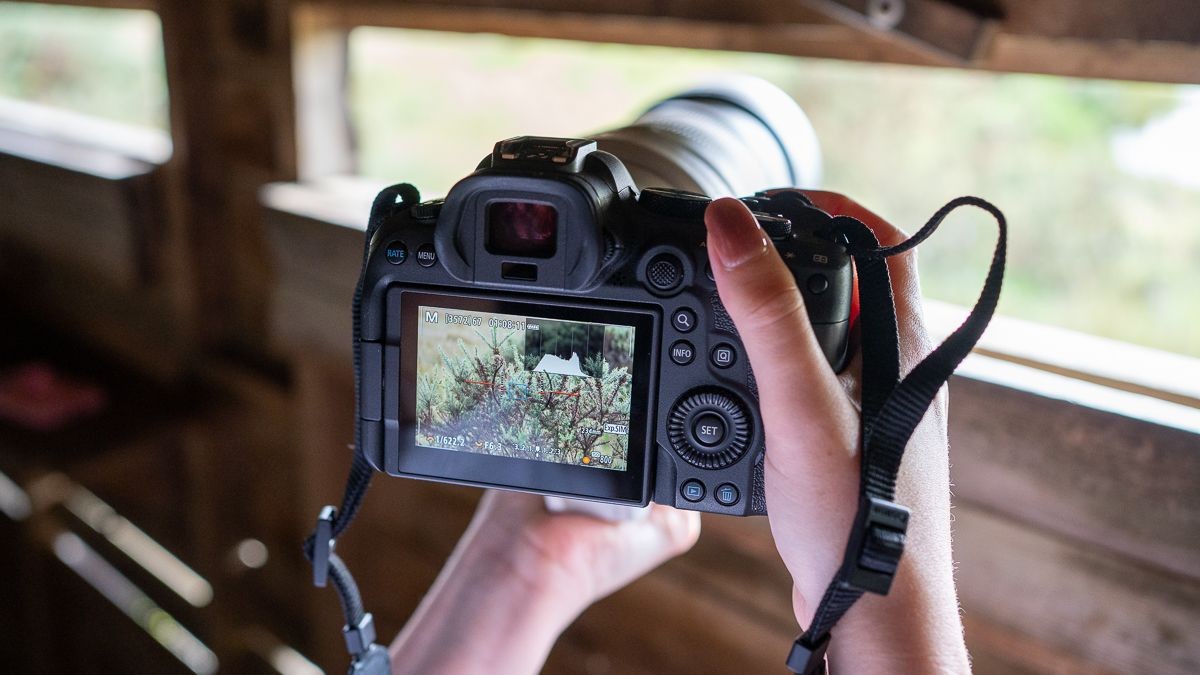
The R6 II boasts three dials—front, top, and rear—for intuitive exposure adjustments. The R8 lacks this third dial, forcing users to navigate menus for ISO control in manual mode. While acceptable for beginners, this becomes clunky for experienced photographers who need to adjust settings on the fly.
For photographing animals in dynamic light conditions, the R6 II’s seamless adjustments are invaluable. Those extra seconds matter when tracking moving subjects.
Stabilization: Another Edge for the R6 II
The R8 lacks in-body image stabilization (IBIS), which puts it at a disadvantage compared to the R6 II. Though many Canon lenses offer optical stabilization, IBIS provides an additional layer of stability, especially when shooting handheld in low light.
Why This Matters: The Beginner’s Growth Curve
The R8 isn’t a bad camera, but its limitations quickly become apparent in challenging environments. It suits casual photographers or those primarily using automatic modes. However, if you intend to take wildlife photography seriously, the R6 II is the better investment.
The R6 II is a camera you can grow with. Its superior handling and feature set will serve you well long after you’ve outgrown beginner settings. The price difference—around $400–$600—is justified by the increased reliability and creative control it provides. With the upcoming release of the R6 III, prices on the R6 II may drop further, making it an even more attractive option.
The R8 gets you started. The R6 II keeps you shooting.