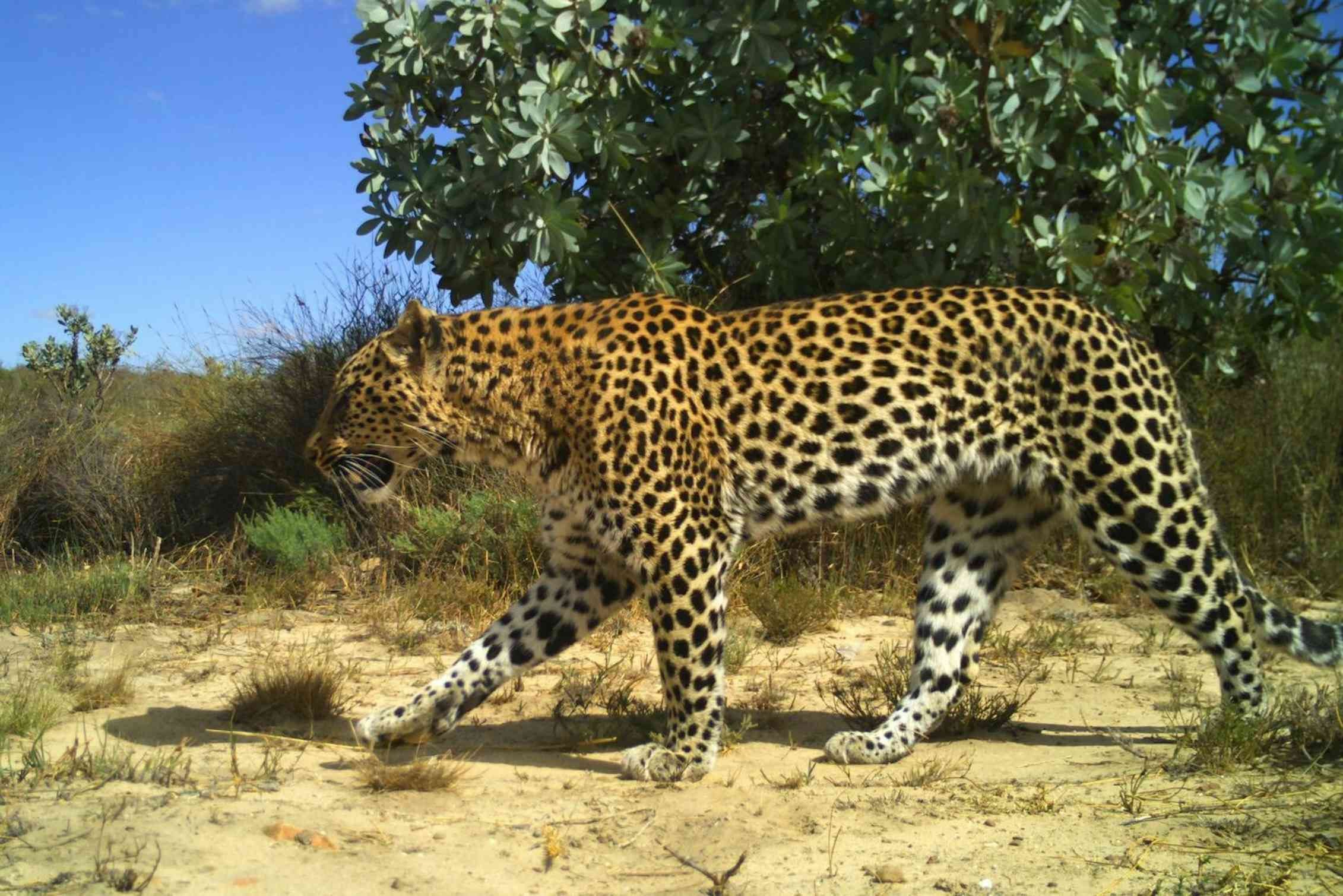
Size doesn’t matter much to most species. It matters a lot to the leopard in South Africa.
Take a look. Cape leopards are tiny. Weighing roughly half as much as their cousins further north. They don’t fit the usual rules. Leopads in open savannahs are big and pale. Those in dense forests are darker but still substantial. These ones? They are just small. And distinct. And fighting for time.
I’m part of a team that spent a long time looking at them. Specifically their DNA. Not the quick, dirty checks researchers used to rely on. The full thing. Whole-genome sequencing. About 2.57 billion base pairs worth. It was the only way to stop guessing.
Not just isolated
Here’s the thing people got wrong before.
They assumed the leopads were small because they were isolated. Like a group trapped on an island, drifting genetically. It’s a fair theory. Genetic drift happens. Populations shrink. Traits change by accident. But this wasn’t just bad luck.
The data is clear.
The Cape Floristic Region leopads formed their own genetic branch around 20,00 to 24,000 year ago. Right during the last Ice Age. Southern Africa got cold. Dry. Grasslands disappeared. Food became scarce. The leopads got cut off from the populations in eastern Africa. Barriers formed. Dry semi-desert to the north. Humans and traffic to the east.
They stayed there.
Did this isolation wreck their genes? Did inbreeding leave them weak and unable to adapt? We expected that. Small populations usually lose diversity. It’s how nature works when numbers drop. But the genome said no. They still have decent diversity. Just slightly less than their eastern cousins.
That’s a good sign. Maybe the best one in years.
The fact that they haven’t collapsed genetically, despite centuries of hunting and isolation, is unexpected.
Adaptation, not accident
So if it’s not drift. What is it?
Adaptation. Pure and simple.
We found about 90 specific genes that stand out in these animals. They control things like bone structure. Muscle mass. How efficiently the body burns energy. Why do they need those traits?
Look at what they eat.
No buffalo here. No impala herds stretching to the horizon. Just rock hyraxes. Klipspringers. The occasional small grysbok. The prey is tiny. And spread thin. To survive on that diet you can’t be a heavy eater. You can’t afford to waste energy moving a massive body up the folds of the Cape mountains.
Small bodies burn less fuel. Small bodies fit better. It makes sense. Evolution isn’t always about getting stronger or faster. Sometimes it’s about fitting into the cracks.
A messy future
Does any of this change how we protect them? Yes.
These aren’t just regular African leopards with a funny haircut. They are an Evolutionarily Significant Unit. That’s the fancy term. It means they hold unique information. Information built over twenty millennia. If you mix them freely with leopards from further east you risk diluting that adaptation.
The landscape itself is the problem now.
Cape Town sprawls. Farmers expand. Leopads move through private land. They end up on roads. They end up getting shot because they took a goat. Conflict is constant. Reserves exist but they’re too few and too small. The animals need to roam.
Poaching needs to stop. Roadkill needs to drop. Landowners have to be on board. Without their cooperation the habitat becomes a trap.
It’s not a tidy puzzle. Conservation never is. We saved the bounty system. We stopped the worst hunting. But the pressure remains. Human density climbs. Wildlife corridors stay narrow.
We know they’re unique. We know they survived the Ice Age and the colonial hunters. Can they survive us?
The genes say they are resilient. The map says they are running out of space.
Which one will win? We’ll have to wait and see.