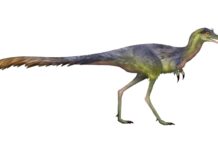
The start of a new year often brings a mix of hope and exhaustion. While some optimistically focus on health trends, many others face realities like financial strain and global uncertainty. However, one consistent source of progress remains: scientific discovery. Recent breakthroughs, such as creating new colors (“olo” – a teal shade) and editing genes to treat rare genetic disorders, demonstrate science’s potential to improve lives. Other fascinating findings include ichthyosaurs’ hidden flippers, snails regrowing eyes, flamingos forming vortexes, and even mushrooms playing keyboards.
Despite these wonders, pressing issues remain: climate change, waste, disease, and chronic conditions like long Covid still demand urgent solutions. But alongside these grand challenges, there are smaller, yet impactful, areas where science could make a real difference. Here are nine projects that deserve attention in 2026.
Rethinking Everyday Habits
The assumption that sitting is harmful needs reevaluation. Could prolonged rest actually offer unforeseen benefits? Current research suggests even short bursts of exercise (like ten minutes) can protect against bowel cancer, but why not investigate if other seemingly unproductive activities might have hidden health advantages?
The Pursuit of Joyful Discoveries
The discovery of new insects, including four new wasp species, is exciting, but morale could be vastly improved by finding a new, adorable mammal. While searching for wasps, keeping an eye out for a fluffy creature could boost public spirits.
Breaking Communication Barriers
Live translation software has advanced, allowing journalists to navigate foreign countries with ease. The next frontier? Understanding animal communication. A device that translates pet thoughts would either confirm our love or reveal harsh truths.
Solving Annoying Mysteries
The persistence of earworms – those repetitive songs stuck in your head – is a universal problem. Developing a method to eliminate these mental intrusions would be a significant quality-of-life improvement.
Harnessing Untapped Energy Sources
Renewable energy needs expansion. Two overlooked resources: finger scrolling (converting endless phone use into power) and middle-aged female rage (potentially generating substantial electricity).
The Paradox of Time on Treadmills
Exercise is proven to improve health, but the treadmill’s digital display mocks our efforts as time stretches endlessly. Physics must explain this temporal distortion.
Combating Bedtime Procrastination
Wearable technology has advanced, but no device yet forces us to sleep. A solution: a system that undresses, brushes teeth, and airlifts you to bed (rhino-style) or delivers escalating electric shocks to enforce bedtime.
Decoding Goose Aggression
Geese pose a constant, unexplained threat. Forget orcas; geese are the real danger. Urgent research is needed to understand their aggression before they escalate.
In conclusion, science offers both grand solutions and quirky fixes. From tackling global crises to decoding animal behavior, 2026 presents an opportunity to push boundaries and improve lives in both significant and amusing ways. The future hinges on these breakthroughs, big and small.