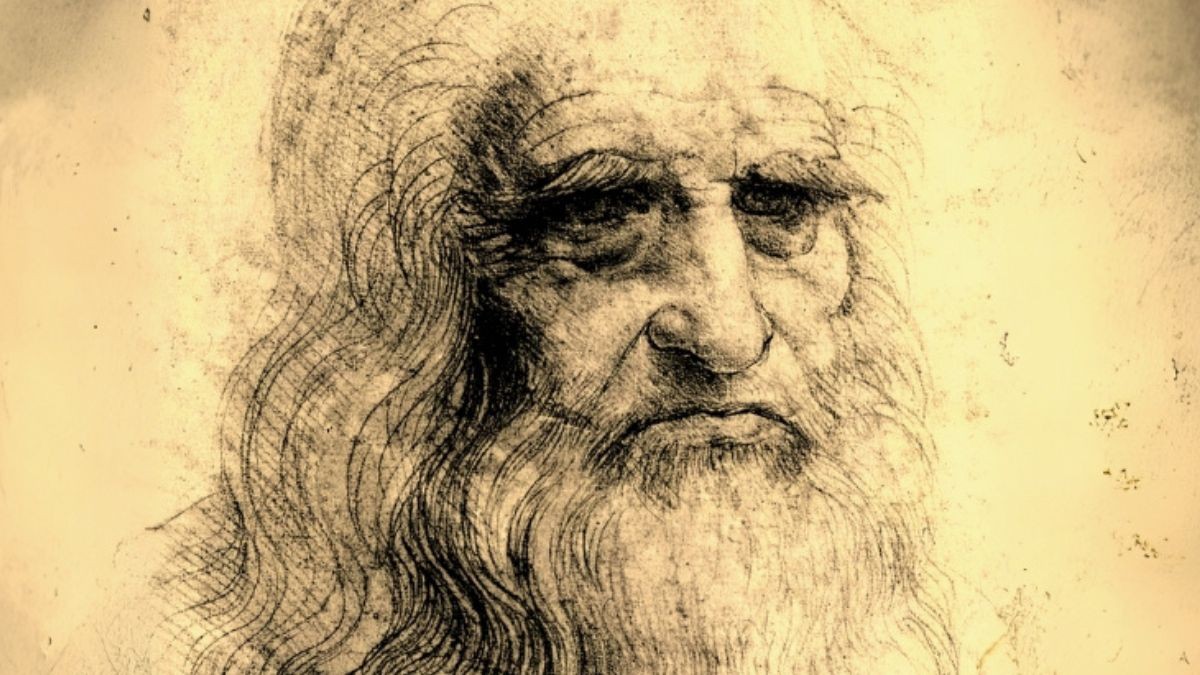
Scientists involved in the Leonardo da Vinci DNA Project believe they may have successfully extracted DNA from the famed artist and inventor. The breakthrough, detailed in a recent preprint study, demonstrates that it’s now possible to recover biological material from centuries-old artifacts—even those previously considered sterile.
Recovering Biological “Fingerprints” From the Past
The research team developed a novel technique for extracting DNA from wax seals on ancient letters and the absorbent fibers of paper itself. This method has revealed traces of human, plant, fungal, bacterial, and viral DNA embedded in these historical objects. Researchers describe these items as acting like “living fingerprints” of the environments they inhabited.
Evidence From Da Vinci’s Works
In a key experiment, scientists swabbed a chalk drawing attributed to da Vinci, known as The Holy Child. Next-generation sequencing revealed traces of DNA from orange trees grown in Medici gardens in Tuscany, alongside low-quality human DNA. Crucially, the human DNA carries Y chromosome markers, indicating a male origin—a profile consistent with da Vinci’s known geographical lineage.
Shared Genetic Signals Across Da Vinci’s Artifacts
Swabbing additional artifacts linked to da Vinci—including a 500-year-old letter from a relative—yielded a “shared Y-chromosomal signal.” This same genetic marker was not found in works by other Renaissance artists, suggesting a possible familial connection across da Vinci-associated objects. The team now intends to analyze more of his belongings for comparison.
Tracking Da Vinci’s Lineage: Past and Present
The ultimate aim of the project is twofold: to confirm da Vinci’s burial site and reconstruct his complete genome. Researchers have already traced his bloodline back to 1331 and identified living descendants. Current excavations at a da Vinci family tomb in Italy seek further genetic confirmation from his relatives.
A Breakthrough in Ancient DNA Research
While the findings aren’t conclusive, the Leonardo DNA Project has overcome major obstacles in ancient DNA analysis. As evolutionary biologist S. Blair Hedges notes, this is “about as hard a target there is,” yet the team has established a solid framework for detecting genetic signatures on historical works. This method has implications beyond da Vinci, and is expected to be applied to other historical figures in the future.
“Success is now inevitable in the sense that a threshold has been crossed.” – Jesse Ausubel, Chair of the Leonardo DNA Project
The project’s progress suggests that reconstructing the genomes of historical figures is no longer just a theoretical possibility, but a rapidly approaching reality.