




Most dog breeds carry traces of wolf ancestry, but not from the ancient split between species. Instead, this genetic influence comes from interbreeding over the last 2,600 years — well after dogs were domesticated over 20,000 years ago. A new study, published in the journal PNAS, reveals that up to 40% of some modern dog genomes are derived from wolves, challenging previous assumptions about how “pure” dog DNA must be.
The Surprisingly Recent Wolf Influence
For decades, scientists believed that significant wolf DNA would disqualify a dog from being considered a true domestic breed. However, researchers analyzing nearly 2,700 genomes (including 146 ancient samples) found that wolf DNA is widespread.
The study confirms that dogs and wolves remained genetically compatible enough to interbreed long after dogs were first domesticated. This wasn’t a one-time event; it was an ongoing process.
Which Breeds Show the Most Wolf DNA?
Some breeds have been deliberately bred with wolves — such as the Czechoslovakian and Saarloos wolfdogs. These predictably show the highest levels of wolf ancestry. But the study also found patterns in other breeds:
- Larger and working breeds (Arctic sled dogs, Anatolian shepherds, hunting breeds) generally have more wolf DNA. The presence of wolf genes may have been favored by breeders in these types of working dogs.
- Guardian breeds such as Bullmastiffs and Saint Bernards show no detectable wolf ancestry.
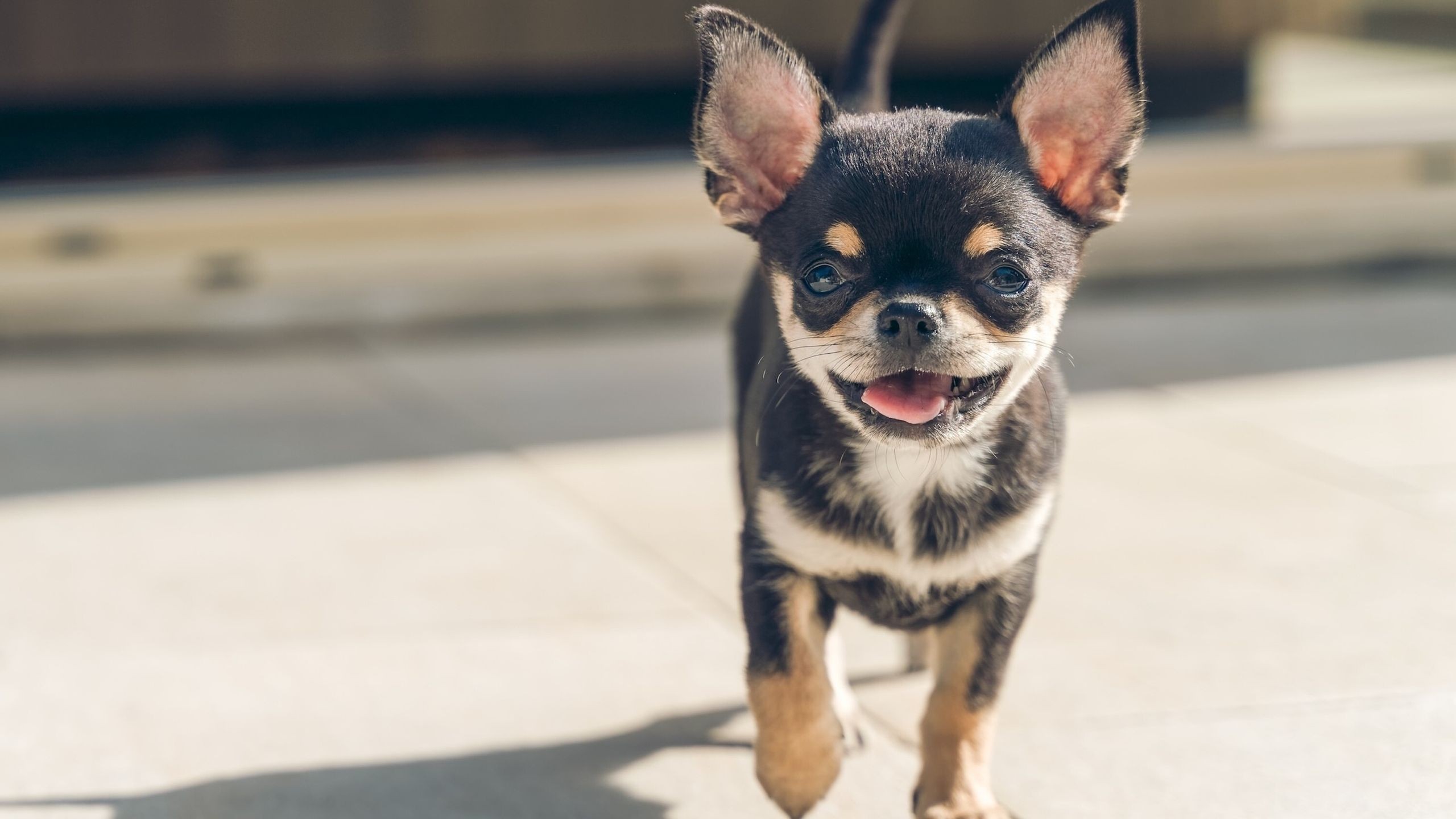
- Even small breeds like Chihuahuas carry around 0.2% wolf DNA, suggesting the mixing is widespread.
The study’s co-author Audrey Lin quipped, “This completely makes sense to anyone who owns a Chihuahua.”
Why Wolf DNA Persists
The reason behind this continued interbreeding isn’t entirely clear, but survival may play a role. Village dogs (free-roaming dogs around human settlements) consistently had wolf DNA, often linked to genes responsible for olfactory receptors. Enhanced senses of smell could have helped these dogs survive harsh environments.
Personality and Wolfish Traits
The study also found a correlation between wolf ancestry and breed characteristics. Dogs with lower wolf DNA were frequently described as “friendly” or “easy to train,” while those with higher levels were labeled “suspicious” or “independent.” While not conclusive, this suggests wolf genes may contribute to certain behavioral traits.
The study demonstrates that modern dogs are not as genetically isolated as previously thought, with wolf DNA playing a more significant role in their evolution than many realized. This genetic mixing wasn’t a distant event, but a recurring pattern over the last few millennia.