


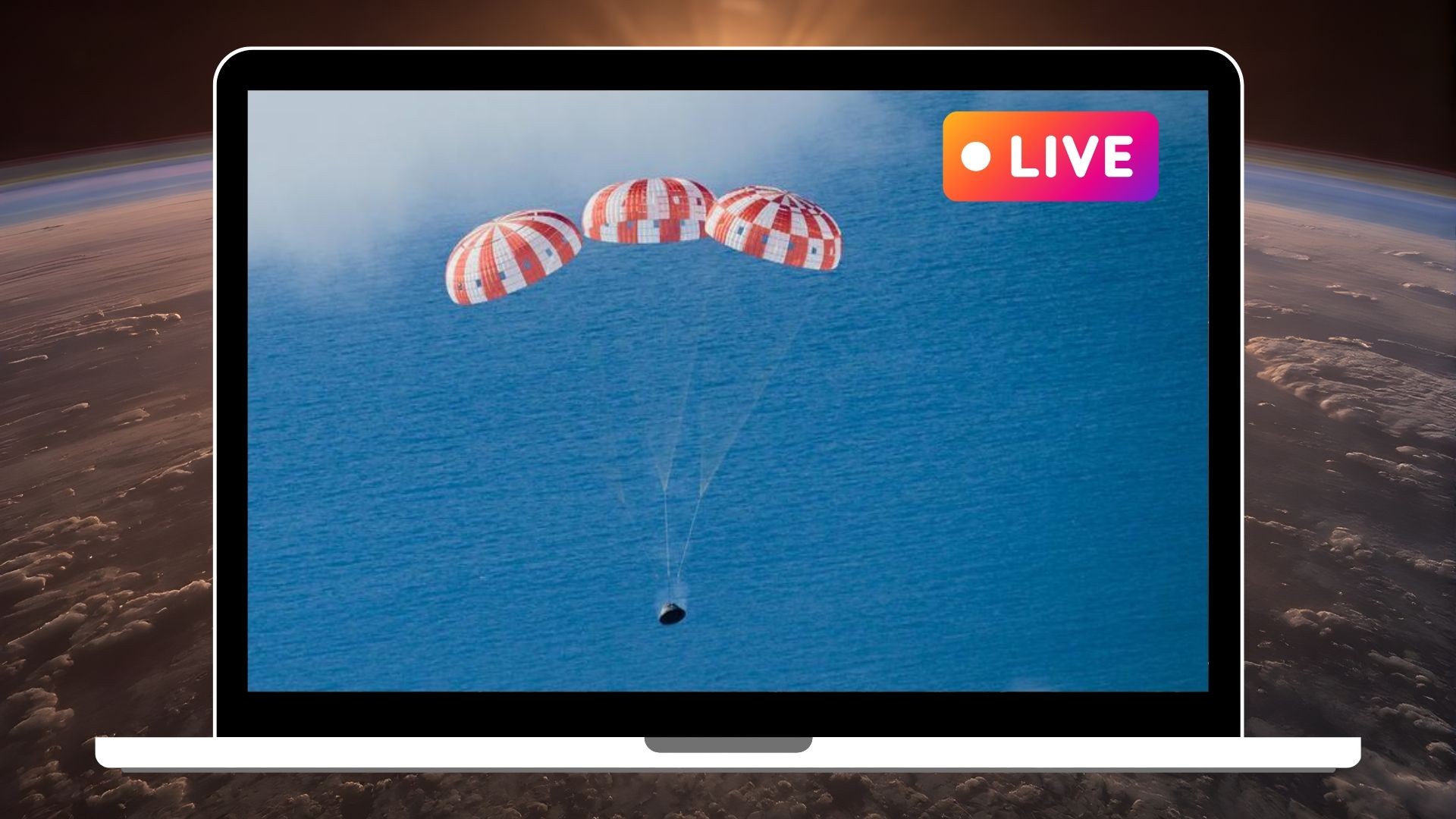
After a landmark 10-day journey, the four astronauts of NASA’s Artemis 2 mission are preparing to return to Earth today, April 10. This mission marks a pivotal moment in human spaceflight, representing the first time humans have ventured significantly beyond low Earth orbit in decades.
The Final Descent: High Speeds and Extreme Heat
The return phase of the mission is one of the most technically demanding aspects of space travel. As the Orion capsule exits the vacuum of space and hits the Earth’s atmosphere, it will face extreme physical forces:
- Re-entry Speed: The spacecraft will descend at speeds reaching 24,000 mph (38,600 kph).
- Extreme Temperatures: During the roughly 13-minute descent, the capsule will encounter temperatures as high as 5,000 degrees Fahrenheit (2,760 degrees Celsius).
- Protection: A specialized heat shield is the crew’s primary defense against this intense thermal energy, ensuring the cabin remains safe while the exterior glows from the friction of re-entry.
Once the descent is stabilized, parachutes will deploy to slow the capsule for its final landing in the Pacific Ocean.
Mission Timeline and Recovery
The splashdown is currently scheduled for approximately 8:07 p.m. EDT (0007 GMT on April 11) off the coast of California. This landing site mirrors the location used for the uncrewed Artemis 1 mission in December 2022.
Following the splashdown, the crew—Commander Reid Wiseman, Pilot Victor Glover, and Mission Specialists Christina Koch and Jeremy Hansen —will be recovered by the USS John Murtha and transported back to shore.
How to Watch the Return Live
For those following this historic milestone, live coverage is available through several platforms:
* Primary Coverage: Starting at 6:30 p.m. EDT (2230 GMT) via Space.com and NASA’s YouTube channel.
* Streaming Services: NASA is providing simulcasts on Netflix, Amazon Prime, and the NASA+ streaming service.
Why This Mission Matters
The successful return of the Artemis 2 crew is more than just a technical achievement; it is a validation of the systems required to sustain human life during deep-space exploration. By successfully navigating the “re-entry corridor”—the precise window of speed and angle required to land safely without burning up or bouncing off the atmosphere—NASA is proving that the infrastructure for future lunar bases and eventual Mars missions is viable.
The Artemis 2 mission serves as a critical bridge between the era of low Earth orbit operations and the next frontier of long-duration, deep-space human habitation.
**The successful splashdown of the Artemis 2 crew will conclude a mission that re-


