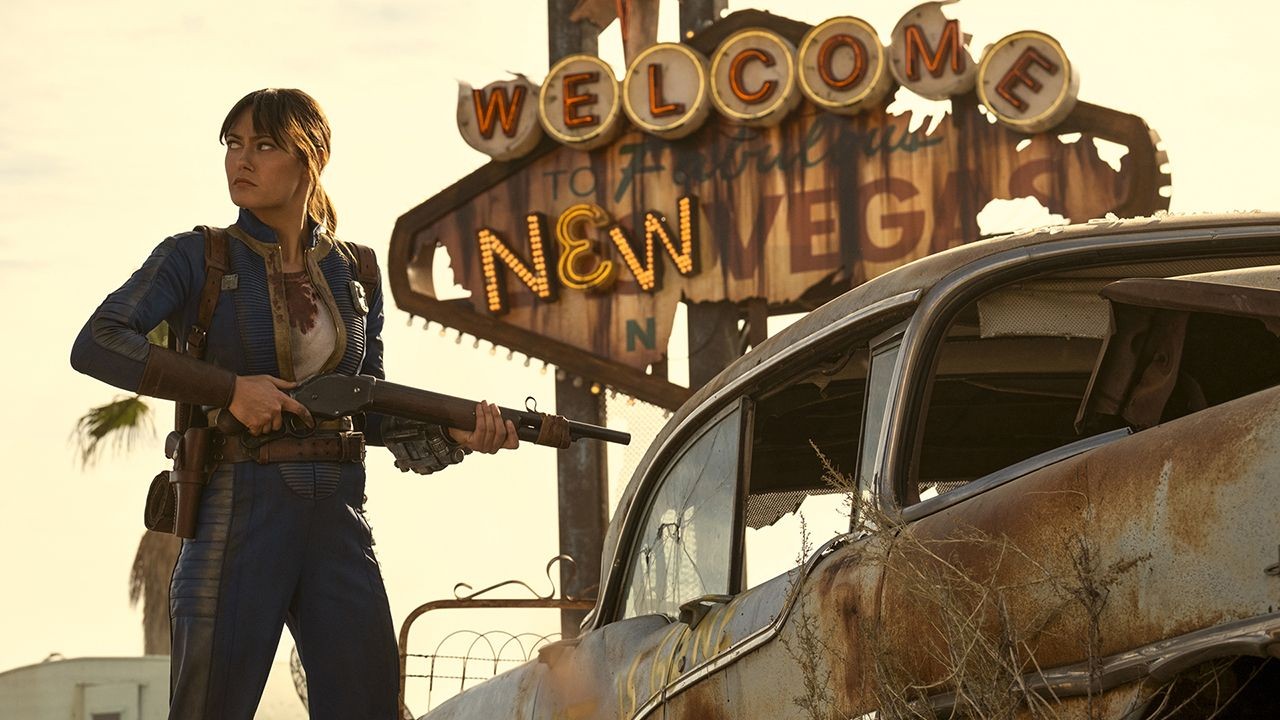
The second season of Amazon’s Fallout series isn’t just a return to the wasteland; it’s a stark reflection of our own trajectory. Premiering on Prime Video, the show dives headfirst into the themes of unchecked corporate power, the dangers of technological hubris, and the cyclical nature of human self-destruction. Set on a collision course with the iconic New Vegas setting from Fallout: New Vegas, Season 2 doesn’t rely on fan service alone – it delivers a chillingly relevant narrative.
The Core Conflict: Billionaires, Bunkers, and the End of the World
The show’s central premise isn’t about surviving a nuclear apocalypse, but about why it happened. Season 1 exposed Vault-Tec’s role in engineering the Great War of 2077. But Season 2 digs deeper, revealing a more complex truth: the disaster wasn’t just about malice; it was about maintaining control. The series follows key characters – Lucy (Ella Purnell), The Ghoul (Walton Goggins), and Maximus (Aaron Moten) – as they navigate a fractured post-apocalyptic landscape.
The narrative hinges on Kyle MacLachlan’s Hank MacLean, a Vault-Tec executive attempting to rebuild his empire in the Mojave Desert. His daughter, Lucy, and The Ghoul, a centuries-old survivor with a vendetta, pursue him relentlessly. Meanwhile, Maximus wrestles with leadership within the Brotherhood of Steel, a faction teetering between righteous order and fanatical control.
Robert House: The Ghost in the Machine
A looming presence in Season 2 is Robert House (Justin Theroux), the enigmatic pre-War industrialist who survived the bombs in cryogenic stasis. The show doesn’t simply recreate his video game persona; it dissects the motivations of a man who saw humanity as a problem to be engineered, not a species to be saved. The question isn’t just how he survived, but why he wants to rebuild the world in his image.
This focus is critical because the show isn’t just about a fictional apocalypse; it’s about the real-world parallels. As billionaires race to construct doomsday bunkers and invest in artificial intelligence with uncertain consequences, Fallout feels less like entertainment and more like a warning. The series underscores that the architects of destruction often survive to shape the new world order.
The Brotherhood of Steel: Faith vs. Order
The Brotherhood of Steel, a fan-favorite faction obsessed with preserving pre-War technology, is shown fracturing under the weight of its own ideology. The series illustrates how easily noble intentions can devolve into religious extremism, particularly when unchecked power and rigid dogma take hold.
This internal conflict is crucial because it highlights the broader human tendency to repeat mistakes. The show suggests that even the most well-intentioned groups are capable of perpetuating cycles of violence and control.
A Bleak, Unflinching Vision of the Future
Fallout Season 2 doesn’t shy away from its political themes. It depicts the exploitation of the working class by the wealthy elite, the futility of blind faith in technology, and the terrifying ease with which power consolidates in the hands of a few. The Ghoul’s cynical perspective—that perhaps some things should remain dead—resonates with the series’ overall pessimism.
The show’s success lies in its ability to blend compelling storytelling with uncomfortable truths. It is a brutal, yet fascinating exploration of human nature and the inevitability of repeating history’s worst mistakes.
Fallout Season 2 doesn’t offer hope; it offers a mirror. And what it reflects is a chillingly plausible future where the same forces that led to the apocalypse are already at play today.