Modern agricultural practices, particularly deep tilling, disrupt the natural ability of soil to absorb and retain water, increasing vulnerability to both floods and droughts. A new study published in Science on March 19 reveals that heavy plowing damages the microscopic pathways that allow water to infiltrate the ground effectively. This degradation isn’t just inefficient for crop growth, but actively reduces the land’s resilience to extreme weather events.
How the Research Was Conducted
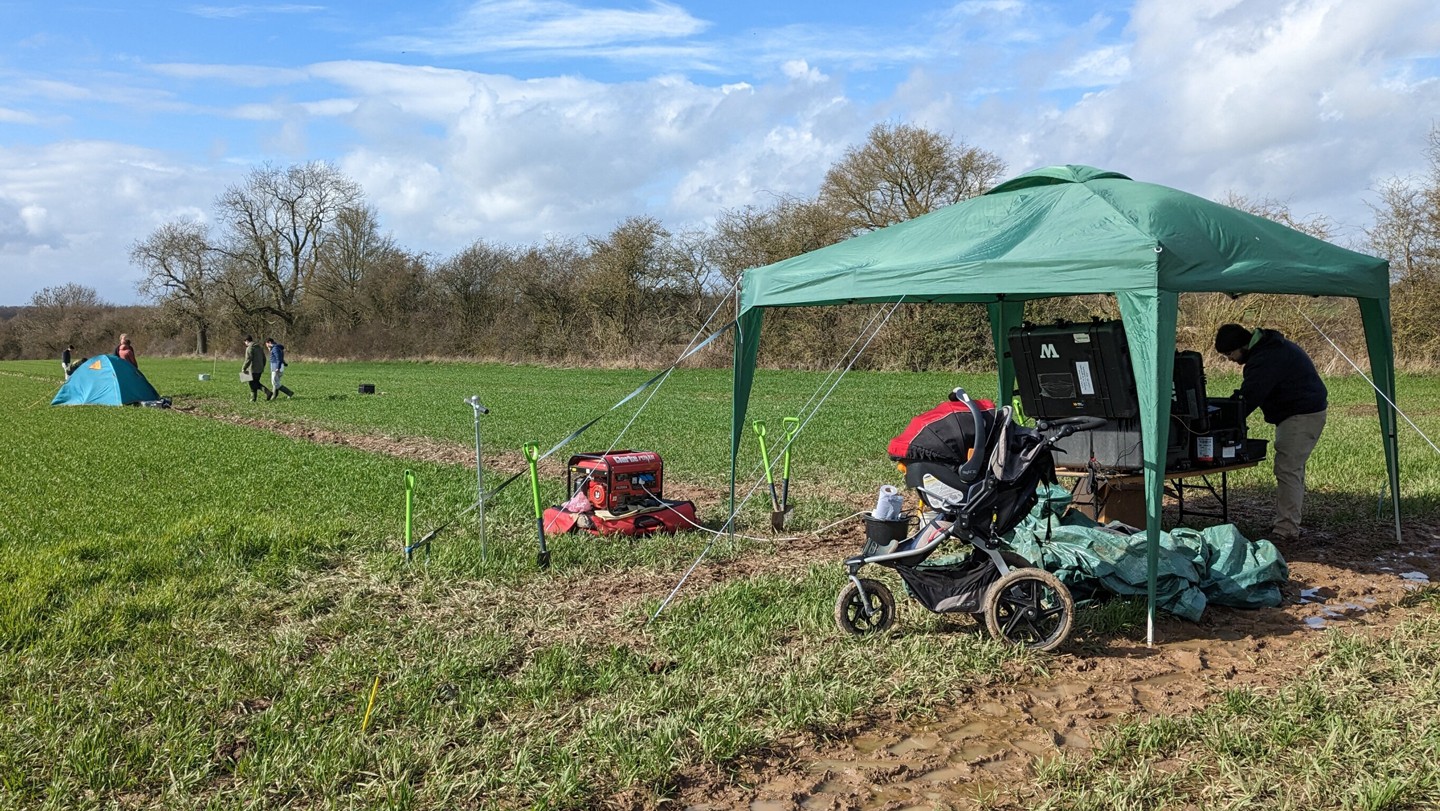
Researchers led by geophysicist Qibin Shi of the Chinese Academy of Sciences used a novel method to monitor water movement underground. They deployed fiber-optic cables – typically used for high-speed internet – as highly sensitive seismic sensors. These cables can detect even subtle vibrations caused by water flowing through the soil.
The experiment took place at Harper Adams University’s agricultural test farm in England. Researchers prepared 27 plots of land using three different tillage depths: no-till, shallow till (10 cm), and deep till (25 cm). Each depth was also varied based on the weight of the machinery used, controlling for ground compaction.
Key Findings: Water Movement Impaired by Plowing
Over three days in March 2023, the team tracked how rainwater interacted with each plot. The results were clear: deeper plowing and greater compaction led to increased water pooling on the surface, rather than healthy infiltration. This surface water evaporated quickly in sunlight, exacerbating drought conditions. Conversely, less-tilled soil allowed water to distribute more evenly underground.
The Science Behind It: Capillary Action Disturbed
The study explains that water moves through porous soil via capillary action, not gravity. The tiny spaces between soil particles act like capillaries – the same forces that allow water to climb inside a narrow glass tube. This movement isn’t about water falling into the soil, but being pulled in by adhesion to the soil and cohesion between water molecules.
When these pathways are disrupted by plowing or compacted by heavy machinery, capillary forces become stronger, hindering water flow. The model confirmed that damaged soil networks trap water near the surface, making it more susceptible to evaporation and runoff.
“Disrupting the natural structure of the soil doesn’t just make farming harder – it makes land less stable in a changing climate,” notes Qibin Shi.
This research underscores the need to rethink conventional tillage practices in favor of methods that preserve soil structure and enhance water retention. The long-term implications of continuing deep plowing are clear: greater risk of both flooding and drought, and potentially reduced agricultural productivity.