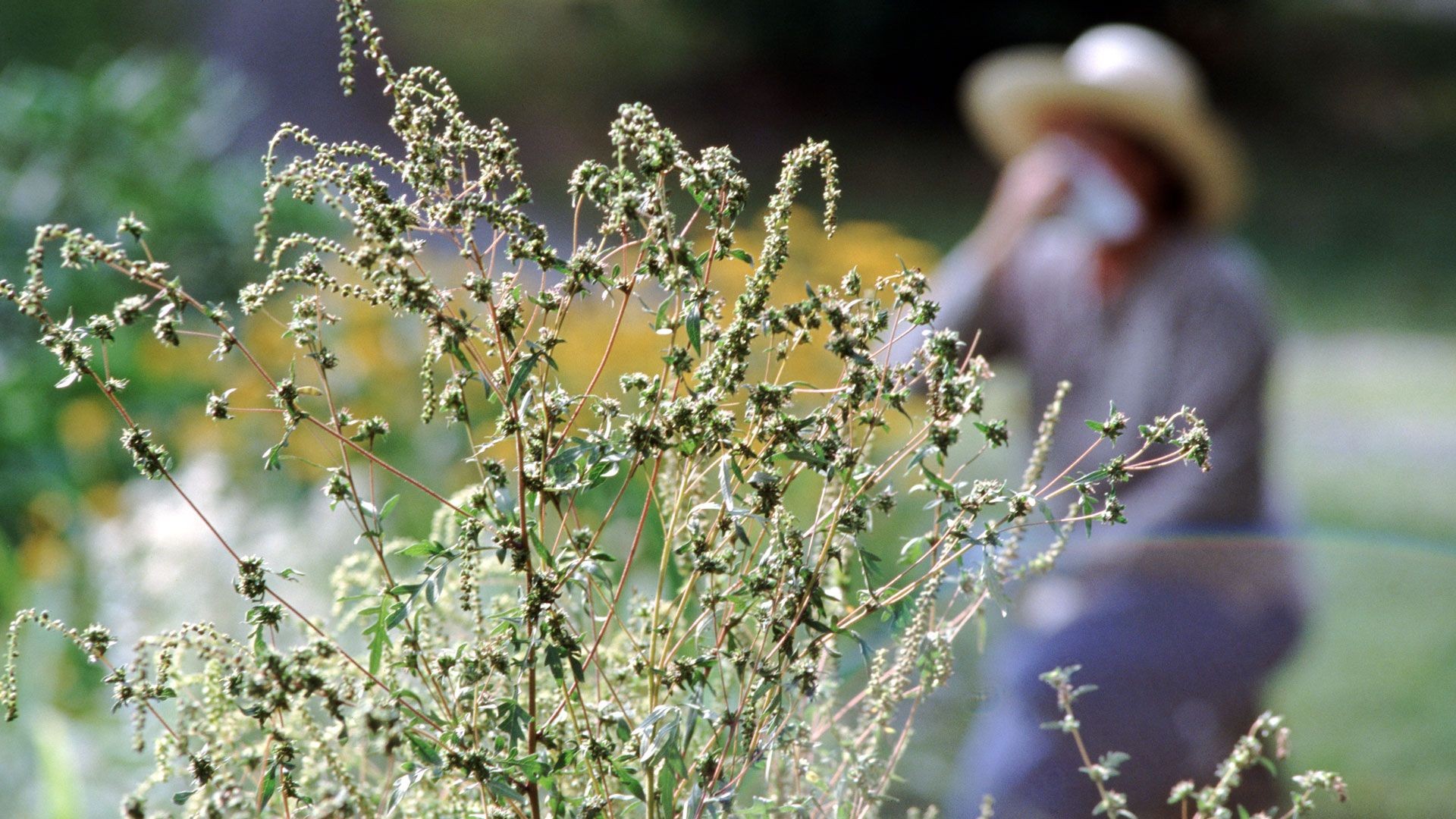
Spring’s arrival brings warmer weather, but also the unwelcome return of hay fever for millions. Characterized by sneezing, itchy eyes, and runny noses, this allergic reaction to pollen can significantly disrupt daily life. Fortunately, simple adjustments to your routine can dramatically reduce exposure and minimize symptoms. Here’s how to navigate hay fever season effectively, based on guidance from allergy experts.
Minimize Indoor Pollen Exposure
The first line of defense is preventing pollen from entering your home. While opening windows feels refreshing, it invites allergens indoors. According to Melanie Carver, Chief Mission Officer at the Asthma and Allergy Foundation of America (AAFA), even screened windows don’t fully block pollen. Keeping windows closed, especially on high-pollen days, is crucial for managing symptoms. This also has the added benefit of keeping your home cooler during warmer weather.
Air Purification: A Powerful Tool
When pollen inevitably enters your space, air purifiers with HEPA filters are the most effective solution. These devices draw in air, trapping microscopic particles like pollen before they reach your lungs. HEPA (High-Efficiency Particulate Air) filters are designed to capture these allergens, reducing sneezing, itchy eyes, and coughing. As Carver explains, certified air purifiers ensure effective allergen removal.
Reduce Pollen Transfer Indoors
Pollen doesn’t just float in the air; it clings to surfaces, including clothing and hair. To minimize indoor spread, change your clothes immediately upon returning home. This prevents allergens from lingering on fabrics and irritating your respiratory system later. Showering and washing hair also removes pollen that may have settled there. AAFA recommends washing dirty laundry promptly and keeping it away from living spaces. Don’t forget to wipe down pets as they can spread pollen throughout the house.
Avoid Outdoor Drying
Drying laundry outside during hay fever season is counterproductive. Just as pollen adheres to your clothes when you’re outdoors, it will stick to fabrics drying in the open air. By drying laundry indoors—either on a rack or in a tumble dryer—you reduce the risk of introducing pollen into your home. Regularly cleaning surfaces is also crucial, as allergens settle on carpets, curtains, and bedding.
Vacuum Strategically
Using a vacuum cleaner with a HEPA filter is another critical step. These vacuums capture microscopic particles, preventing them from being recirculated into the air. Standard vacuums may lack this capability, releasing allergens back into your environment. Carver emphasizes the importance of changing vacuum filters regularly for optimal performance. For individuals with severe sensitivities, wearing a mask while vacuuming or having someone else do it can further reduce exposure. In some cases, removing wall-to-wall carpeting might be a more effective long-term solution.
“Taking care to change your vacuum cleaner’s filters regularly helps ensure they operate most effectively to reduce allergens,” says Carver.
By implementing these simple strategies, you can significantly reduce your exposure to pollen and alleviate hay fever symptoms.
Hay fever season doesn’t have to be miserable. Proactive steps, from keeping windows closed to using HEPA filters, can create a more comfortable indoor environment. By following expert advice, you can breathe easier and enjoy the spring without constant suffering.