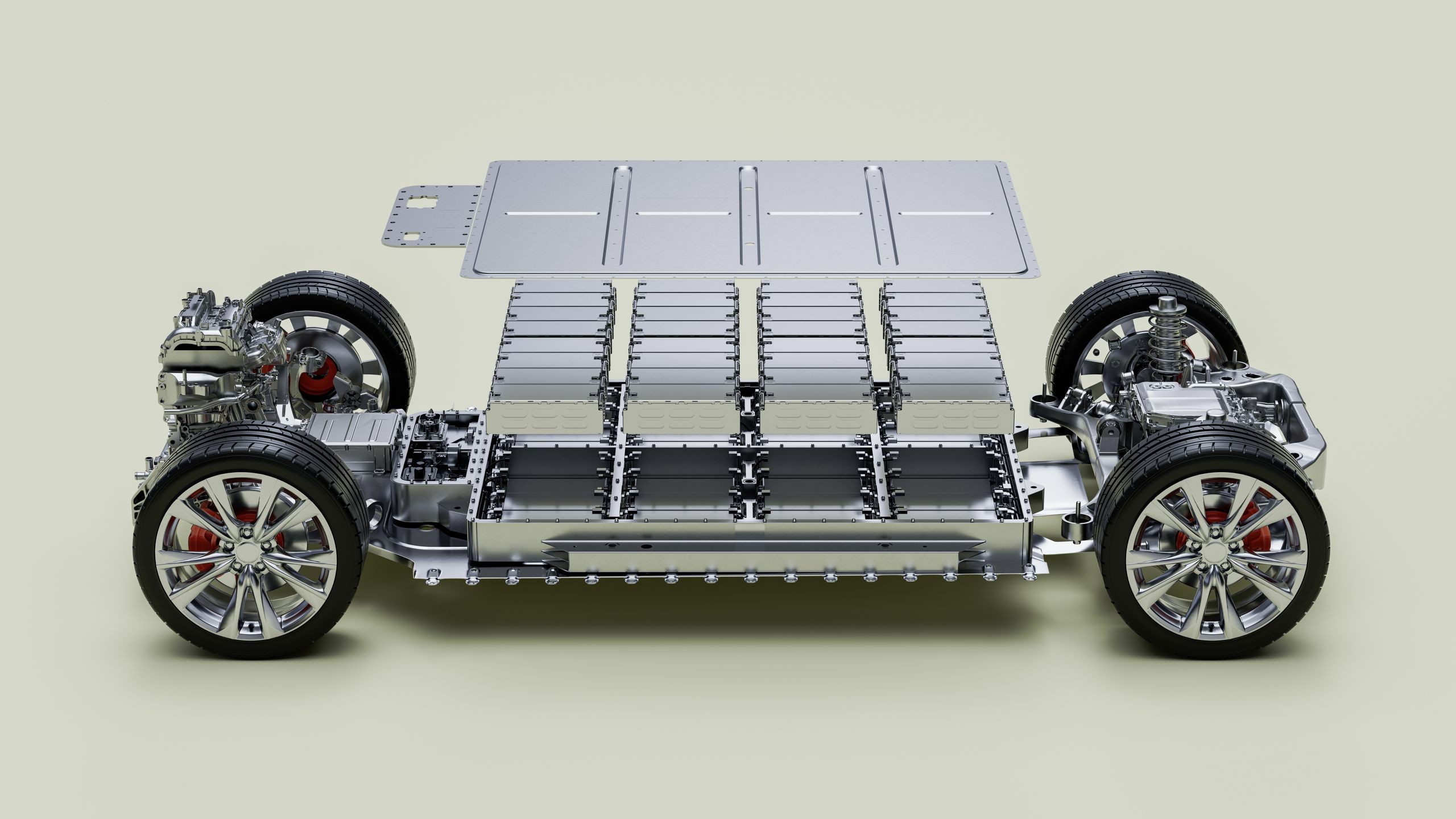
Chinese researchers have achieved a breakthrough in electric vehicle (EV) battery technology, developing what they claim is the world’s first semi-solid-state battery capable of delivering a range exceeding 620 miles (1,000 kilometers) on a single charge. This advancement, spearheaded by scientists at Nankai University in Tianjin, marks a significant step towards overcoming the limitations of current lithium-ion batteries and accelerating the adoption of long-range EVs.
Key Improvements in Energy Density and Safety
The new battery boasts an energy density of over 500 watt-hours per kilogram, a 30% increase compared to leading lithium-ion batteries which typically offer around 300 Wh/kg. Higher energy density translates to greater range without adding excessive weight or bulk. Beyond range, the semi-solid-state design addresses key safety concerns associated with traditional batteries.
Unlike the flammable liquid electrolytes found in lithium-ion cells, solid electrolytes are non-flammable, dramatically reducing the risk of catastrophic thermal runaway. The solid structure also mitigates dendrite formation – the growth of metal spikes that cause short circuits and degradation – extending battery lifespan. Faster charging times are also a potential benefit, as solid electrolytes can facilitate higher ion conductivity.
Hybrid Design for Enhanced Performance
The battery employs a lithium-rich manganese cathode paired with a hybrid solid-liquid electrolyte system. This hybrid approach combines the stability of solid-state architecture with a “super-wetting” composite electrolyte, maximizing contact between materials and improving ionic conductivity. The use of lithium anode technology also aims to lower production costs by streamlining manufacturing.
While the battery achieves 500 Wh/kg at the cell level, the full pack density is currently 288 Wh/kg – accounting for necessary components like cooling systems, wiring, and safety features. This reduction is typical for real-world EV battery packs. Researchers anticipate future iterations will exceed 340 Wh/kg and reach a total capacity of 200 kWh, potentially pushing range beyond 1,000 miles (1,600 km).
Industry Implications and Verification
This development comes from a collaboration between Nankai University and China FAW Group’s battery subsidiary, CANEB. Though currently unverified by independent peer review, this work demonstrates the rapid progress of solid-state battery technology from lab settings to real-world testing.
The median range of EVs in 2024 was 283 miles, with the Lucid Air’s 512-mile range leading the market. A 1,000-mile battery would reshape the EV landscape.
The achievement is notable given the current state of the industry; the highest range currently available is still just over 500 miles, and improvements to EV batteries are vital for broader adoption. Longer ranges address a major barrier to EV ownership, particularly for long-distance travel.
This technology has the potential to redefine EV performance, safety, and range, and its further development will be crucial to monitor.