The universe isn’t just cold, empty space; it’s a canvas of swirling gases, colliding stars, and ancient legends that mirror our own human experiences – including love. From pulsing star systems to galaxies locked in an eternal dance, the cosmos offers a wealth of reminders that romance is a fundamental force, written in the language of light and gravity.
Heartbeat Stars: The Rhythm of Binary Love
Some stars don’t just shine; they pulse with a rhythm that mimics a heartbeat. Binary star systems with highly elliptical orbits distort into football-like shapes as they swing close, creating light curves that resemble an echocardiogram. These cosmic pairs demonstrate that even celestial bodies can be bound by an intricate, dynamic embrace.
The Rosette Nebula: A Rose with a Darker Side
The Rosette Nebula, a stunning star-forming region, appears as a glowing rose from certain perspectives. But this beauty holds a deeper truth: perspective shapes meaning. Shift your view slightly, and the rose transforms into a skull, a stark reminder that even the most passionate love eventually faces mortality.
The Necklace Nebula: A Sparkling Embrace
Formed when a dying star consumed its companion, the Necklace Nebula is a breathtaking ring of glowing debris. This cosmic spectacle evokes images of shedding layers, drawing closer in a tight embrace… a violent yet beautiful cycle of destruction and rebirth.
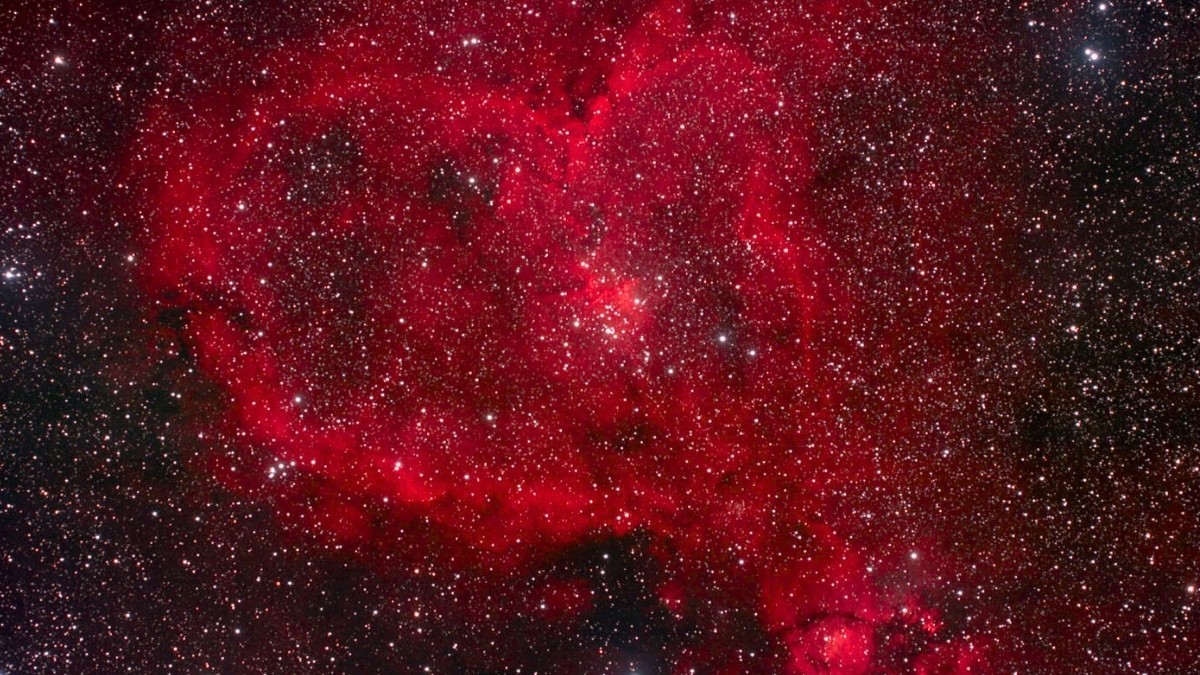
The Heart Nebula: A Stellar Nursery of Passion
The Heart Nebula isn’t just visually heart-shaped; it’s a vibrant star-forming region where young, hot stars ignite the cosmos with light. This is the raw, creative energy of the universe made visible, birthing the glittering stars that fill the sky with brilliance.
The Ring Nebula: A Fleeting Promise
The Ring Nebula appears as a perfect circle, a cosmic ring cast off by a dying star. But this beauty is transient; the nebula will dissipate, leaving behind only a crystallized stellar diamond. Even cosmic promises, like human ones, are subject to time’s relentless march.
Perseus and Andromeda: Legends Written in Starlight
Ancient myths were mapped onto the sky, immortalizing stories of love and heroism. The constellations of Perseus and Andromeda ensure their romance endures forever, a testament to the power of storytelling and the human need for eternal connection.
Tislit and Isli: A Forbidden Love United in the Heavens
One star system, WASP-161 and WASP-161b, bears the Amazigh (Berber) names Tislit and Isli, meaning “bride” and “groom.” Their legend tells of a couple from warring tribes, now reunited in the sky. Even across cultures, the universe seems to recognize the universal longing for love to overcome division.
A World of Pink: The Blush of an Exoplanet
GJ 504 b, a gas giant exoplanet, appears vivid magenta in infrared observations. Though not the hottest planet, its blush-like hue adds a touch of whimsy to the vastness of space. Sometimes, the universe just seems to want to show off.
Arp 273: A Galactic Rose in Bloom
Two galaxies locked in an orbital dance stretch and warp each other’s spiral arms, forming a cosmic rose. This merger isn’t just a collision; it’s a slow, inevitable union that demonstrates the powerful forces at play in the universe.
The cosmos doesn’t feel emotions in the human sense, but it offers countless reminders that love, in its most fundamental form – connection, attraction, and inevitable change – is woven into the fabric of existence. Whether it’s in the rhythm of binary stars or the slow dance of merging galaxies, the universe is full of romance, on a truly mind-boggling scale.