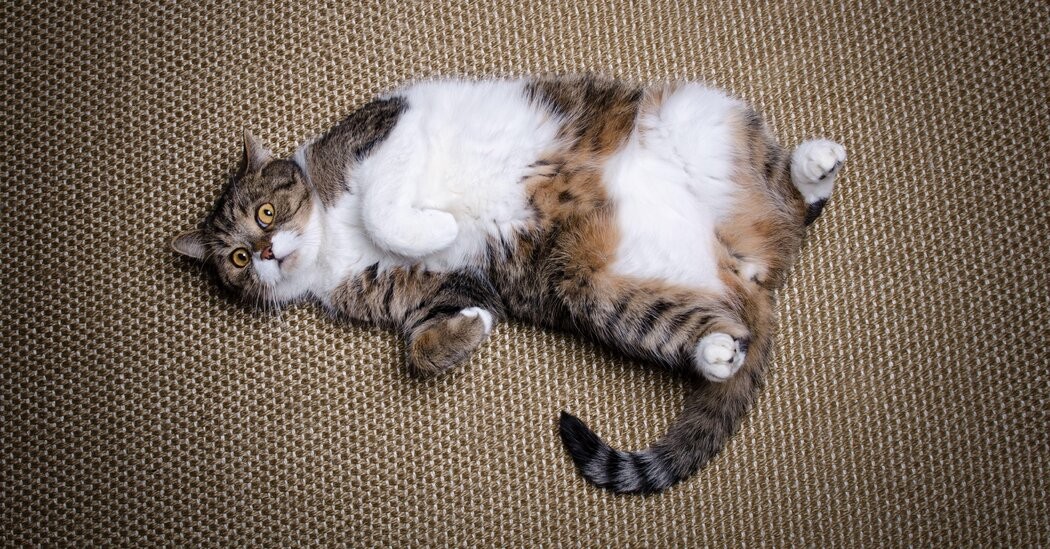
New weight loss medications, originally designed for human diabetes and obesity, are now being tested on animals – starting with cats. Okava Pharmaceuticals has launched a pilot study to evaluate a GLP-1 drug for obese felines, using a long-acting implant system. This development signals a potential shift in veterinary medicine, mirroring the rapid adoption of these drugs by humans.
Human Trend Paves the Way
GLP-1 drugs like Ozempic, Wegovy, and Mounjaro have seen explosive growth in popularity among people seeking weight loss. Roughly 12.5% of US adults have reportedly tried these medications, with usage expected to increase as costs decrease and oral versions become available. The success in human medicine has naturally led to questions about applying the same technology to pets, where obesity is also a growing concern.
The Cat Study: A Novel Approach
The Okava study distinguishes itself through its delivery method. Instead of weekly injections, cats will receive a small, subcutaneous implant that slowly releases the drug over six months. According to Dr. Chen Gilor of the University of Florida, who leads the research, this “magic” approach could provide sustained weight loss without frequent veterinary visits.
Implications for Animal Health
If the cat study yields positive results, it could open doors for treating obesity in dogs and other pets. The implications are significant: pet obesity is linked to various health problems, including diabetes, joint issues, and reduced lifespan. Widespread adoption of GLP-1 drugs in animals could improve pet health outcomes, but also raises questions about long-term side effects and ethical considerations.
Looking Ahead
Results from the pilot study are anticipated next summer. Should they prove promising, this could mark a turning point in veterinary care, offering a novel solution for a widespread animal health issue. The transition from human to animal applications highlights the increasing convergence of medical technologies across species.
This expansion of weight loss drugs into the animal kingdom underscores a growing trend: applying human medical advancements to pets, with potential benefits and challenges that will need careful consideration.