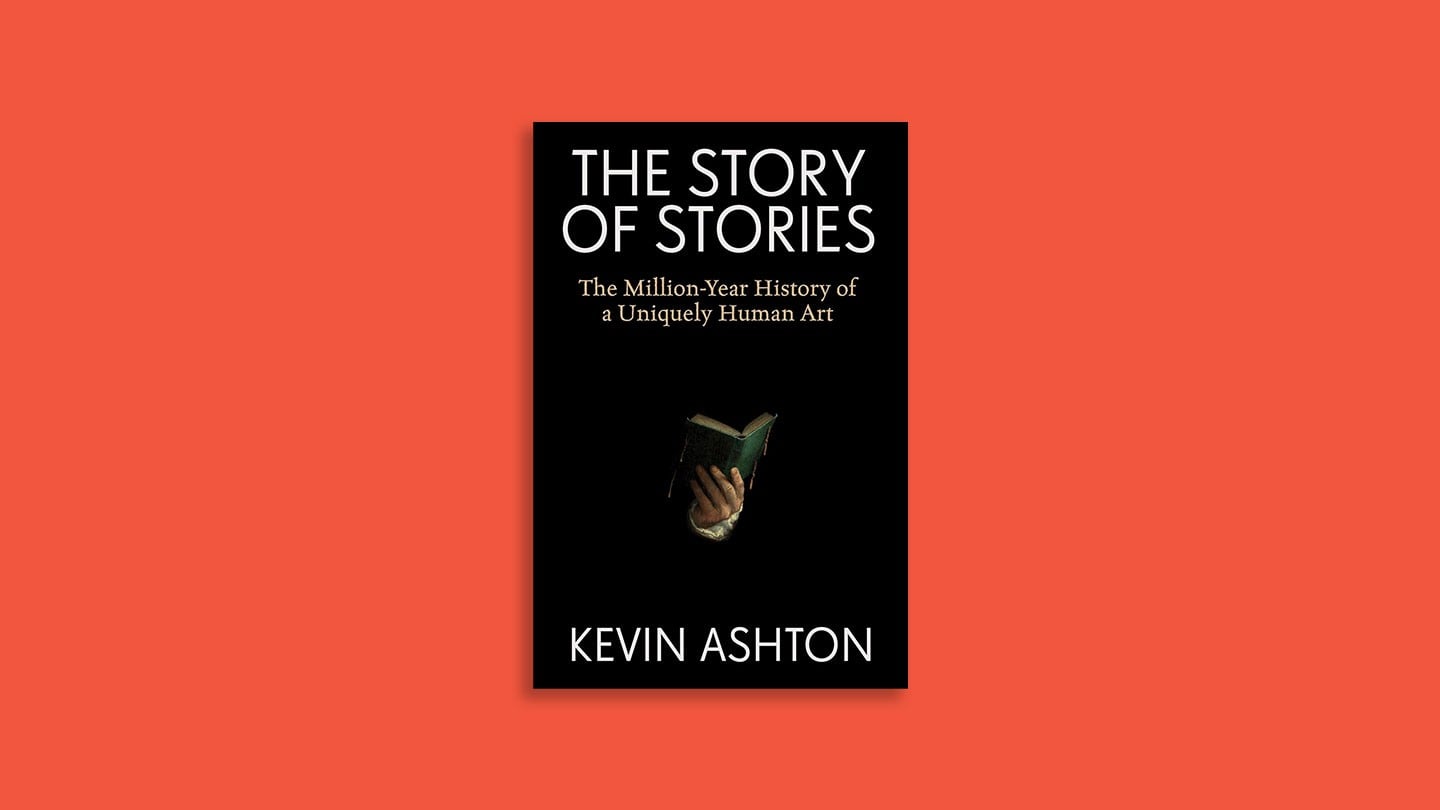
Human beings are wired for storytelling. Even when presented with nothing but abstract shapes, our brains will invent narratives. This fundamental drive, explored in Kevin Ashton’s The Story of Stories, is not a quirk of evolution—it’s the engine of how we understand existence. The book traces this need from ancient campfires to modern social media, revealing how the methods of storytelling have changed while the underlying impulse remains constant.
The Ancient Roots of Narrative
Ashton begins by revisiting the earliest forms of storytelling: the gatherings around fire where early humans shared memories, imagined futures, and created bonds through shared tales. This wasn’t simply entertainment; it was a survival mechanism. Stories reinforced social cohesion, transmitted vital knowledge, and offered a way to process the world’s uncertainties.
The book then jumps forward through time, highlighting key shifts in how stories were created and spread. The invention of writing, the printing press, and electricity all acted as technological accelerants, expanding both the reach and volume of narratives. Yet, the core human desire remained the same: to make sense of chaos through shared meaning.
The Dark Side of Storytelling: Misinformation and Manipulation
Ashton doesn’t shy away from the darker implications of our storytelling impulse. He points to historical examples—like paper mills in the 1800s using rags stripped from Egyptian mummies, then concealing the source—to illustrate how easily narratives can be twisted for profit or convenience.
Today, the digital age amplifies these dangers. The book details how misinformation spread during the COVID-19 pandemic, contributing to vaccine hesitancy and preventable deaths. More alarmingly, the rise of generative AI threatens to make deception even easier. Realistic fake images, videos, and audio are becoming increasingly common, blurring the line between truth and fabrication.
Ashton warns that powerful actors will exploit this technology to rewrite narratives retroactively, altering perceptions of the past and manipulating the present. Digital platforms, he argues, aren’t merely reflecting reality but shaping it.
A Path Forward: Vigilance, Doubt, and Humility
The only defense against this onslaught of manipulation, according to Ashton, is a healthy dose of skepticism. We must recognize our own susceptibility to false narratives and cultivate vigilance, doubt, and humility in our consumption of information.
This isn’t a hopeful message, but it is a realistic one. Yet, Ashton concludes with a note of optimism: the sheer proliferation of stories, even those fueled by hatred, creates a counterweight. The “heterogeneous beauty and glory of all humanity” may yet drown out the noise.
The book ultimately serves as a reminder that storytelling is not just a pastime—it is a fundamental force shaping our understanding of the world. Recognizing its power, both for good and ill, is essential for navigating an increasingly complex and manipulated reality.