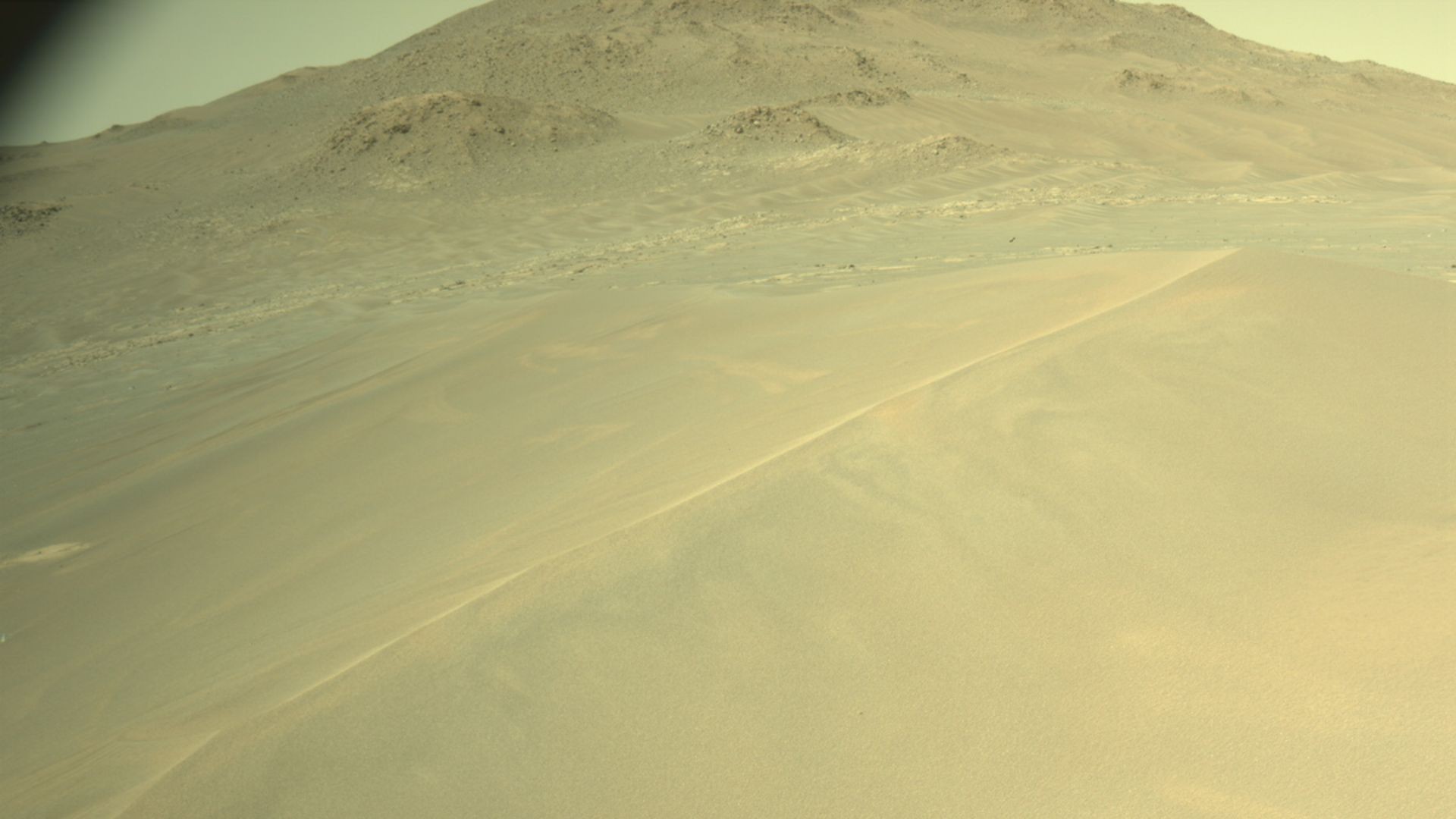
The NASA Perseverance rover has captured unprecedented detail of large-scale sand ripples on Mars, known as aeolian megaripples. These formations, some reaching over 6 feet tall, are not merely shifting dunes but potentially frozen records of past atmospheric conditions. The discovery offers valuable insight into the Red Planet’s environmental history and holds implications for future human exploration.
What are Megaripples and Why Do They Matter?
On Earth, wind constantly reshapes sand into dunes and ripples. Mars, despite its thin atmosphere, is also subject to wind erosion, breaking down bedrock into sand grains. However, unlike Earth’s dynamic landscapes, many Martian megaripples appear remarkably stable.
The stability stems from the unique Martian environment: atmospheric water interacting with dust creates a salty crust that binds sand grains together, resisting movement. This “locking” effect transforms megaripples into time capsules, preserving evidence of ancient wind patterns and past interactions between water and dust. Some megaripples do show signs of movement, suggesting occasional strong winds can erode these crusts and reactivate the sand.
The Honeyguide Ripple Field: A Detailed Study
Perseverance is currently studying these megaripples within the “Honeyguide” field, located near the rim of Jezero Crater. The rover has conducted over 50 detailed observations using its full suite of instruments—SuperCam, Mastcam-Z, MEDA, PIXL, and WATSON—to assess the structure and dormancy of a specific ripple nicknamed “Hazyview.”
Studying these formations is not just about Mars’ past; it directly informs our ability to operate effectively on the planet. Soil chemistry and cohesion dictate how vehicles gain traction, how dust impacts hardware, and even how accessible resources may be.
Implications for Science and Exploration
The study of Martian megaripples goes beyond pure scientific curiosity. If the ripples are truly inactive, they offer a clear record of past Martian wind regimes and water-dust interactions. If they can be reactivated, it demonstrates that even today’s cold, thin-aired Mars can reshape its surface.
This understanding is critical for planning future human missions. The mechanical properties of Martian soil will influence vehicle movement, dust mitigation strategies, and resource utilization. Perseverance’s ongoing research ensures we are not only uncovering the planet’s past but also preparing for its future.
The rover’s continued exploration of Mars’ surface remains essential for both unraveling the mysteries of the Red Planet and ensuring the success of human missions to come.