The Geminid meteor shower peaked overnight on December 13th, delivering a spectacular cosmic light show as debris from asteroid (3200) Phaethon burned up in Earth’s atmosphere. This annual event offers a reliable and often intense display of shooting stars, making it a favorite among both seasoned astrophotographers and casual skywatchers.
A Radiant Spectacle
Geminid meteors appear to radiate from the constellation Gemini, though the shower is visible across much of the night sky. This year’s event coincided with Jupiter’s prominence in December, adding to the celestial backdrop. Photographers captured breathtaking images of meteors streaking past constellations like Taurus and Orion, and near the sparkling Pleiades star cluster.
Why it matters: Meteor showers are not just beautiful; they offer insights into the solar system’s debris fields. The Geminids, originating from Phaethon, are unique because their parent body is an asteroid rather than a comet. This raises questions about Phaethon’s unusual behavior and whether it may once have been a comet that lost its icy exterior.
Capturing the Light
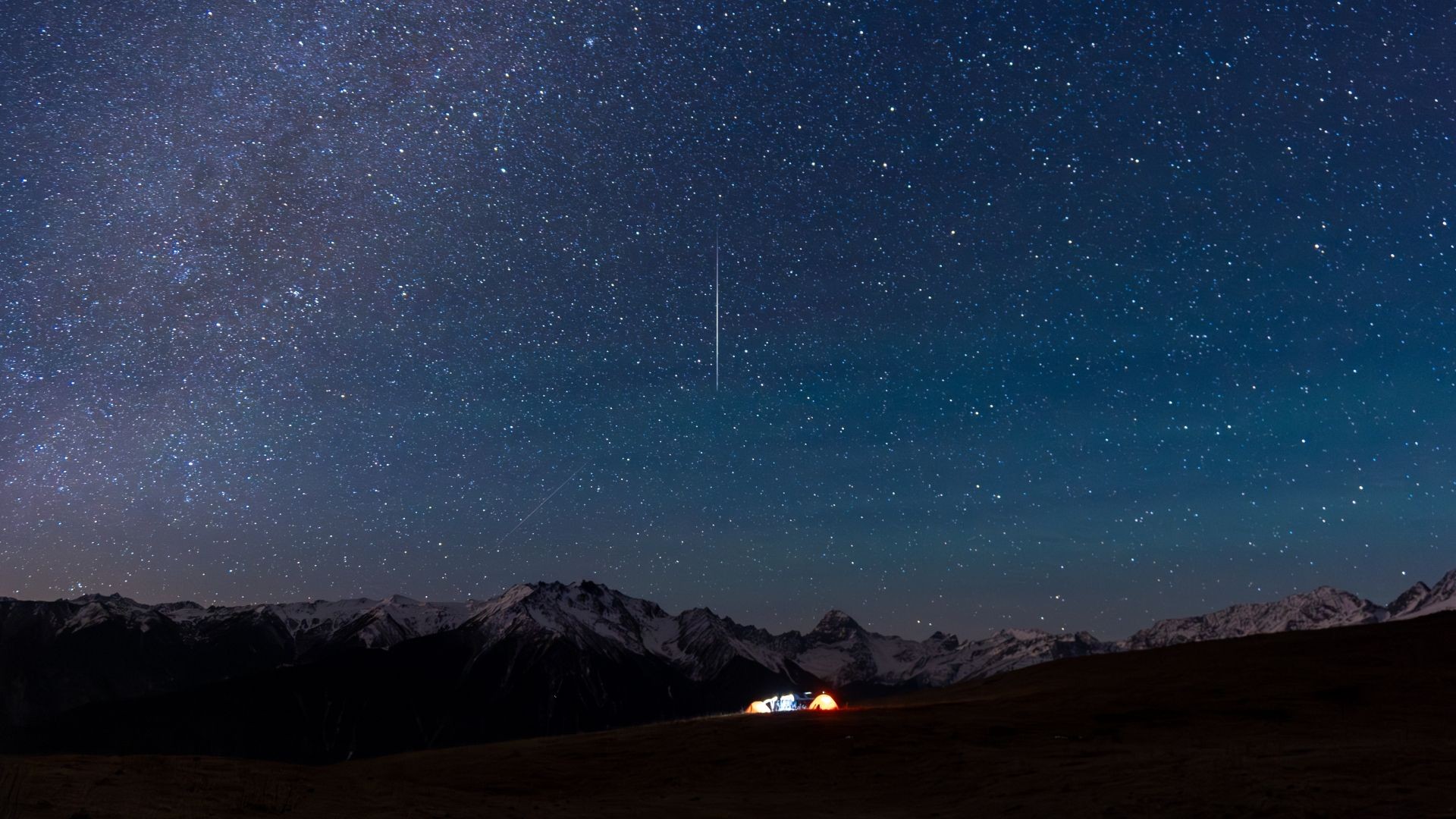
Astrophotographers from around the world documented the 2025 Geminids. Tayfun Coskun photographed meteors above Yosemite National Park, juxtaposing them with the Hyades and Pleiades star clusters. Other stunning images emerged from China, where Fu Yujianglin captured a meteor over the snow-peaked mountains of Sichuan Province, and from New Mexico, where LoriGraceWX immortalized a meteor tearing through the sky above the Organ Mountains.
Wouter van Bernebeek’s composite image from Brocken Mountain in Germany showcased multiple shooting stars against the Milky Way, while Matt Lantz combined nine shots to reveal meteors streaking near Jupiter and the stars Castor and Pollux in Texas. Jeremy Rand documented several Geminids racing through Orion.
Why it matters: These images demonstrate that meteor photography is accessible with the right equipment and technique. The best cameras and lenses for astrophotography are widely available, making it possible for anyone to capture their own piece of the night sky.
Looking Ahead
The Geminid meteor shower remains a highlight of the astronomical calendar. Whether captured through professional-grade astrophotography or enjoyed with the naked eye, it is a reminder of the dynamic and beautiful universe we inhabit.
The annual Geminids are a reliable celestial event, offering a vivid demonstration of the interaction between Earth and space debris. Continued observation helps astronomers better understand our solar system’s composition and history.