The lunar cycle is currently in its early stages, with the Moon steadily increasing in visibility and brightness each night. As of Wednesday, April 22, 2026, we are observing a Waxing Crescent phase.
Tonight’s Lunar Outlook
According to NASA’s Daily Moon Guide, approximately 30% of the Moon’s surface will be illuminated tonight. Because the Moon is in its “waxing” stage—meaning it is growing toward a full phase—it will appear slightly larger and brighter with each passing evening.
Depending on the equipment you use, there are different celestial features you can observe:
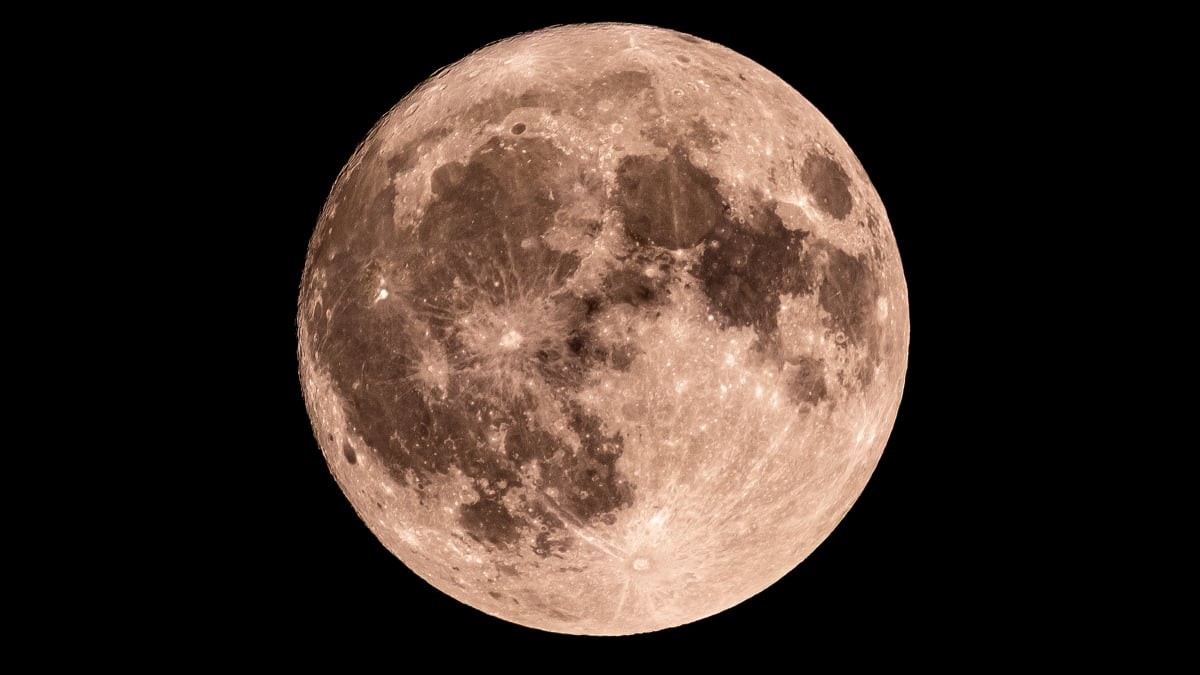
- Naked Eye: Look for the Mare Crisium and Mare Fecunditatis (large, dark basaltic plains).
- Binoculars: You can gain more detail, potentially spotting the Endymion and Posidonius craters.
- Telescope: For a high-detail view, a telescope will reveal these features along with the historic Apollo 17 landing site.
Looking Ahead: The Road to the Full Moon
Observers should note that we are approaching a period of high lunar activity. The next Full Moon is expected on May 1, which marks the beginning of a month featuring two Full Moons (often referred to as a “Blue Moon” phenomenon if the second occurs in the same calendar month).
Understanding the Lunar Cycle
The changing shapes of the Moon are not due to the Moon itself changing, but rather to its position relative to the Earth and the Sun. The Moon takes approximately 29.5 days to complete one orbit around our planet. As it moves, different portions of its sunlit side become visible to us, resulting in eight distinct phases:
The Growing Phases (Waxing)
- New Moon: The Moon is positioned between the Earth and the Sun, making its illuminated side face away from us; it remains invisible.
- Waxing Crescent: A thin sliver of light appears on the right side (in the Northern Hemisphere).
- First Quarter: Exactly half of the Moon is illuminated on the right side.
- Waxing Gibbous: Most of the Moon is lit, but it has not yet reached a full circle.
The Full and Shrinking Phases (Waning)
- Full Moon: The entire face of the Moon is illuminated by the Sun.
- Waning Gibbous: The light begins to diminish from the right side.
- Third Quarter: Half of the Moon is illuminated, but on the left side.
- Waning Crescent: A final thin sliver of light remains on the left before the cycle resets to a New Moon.
Summary: Tonight offers a subtle view of a 30% illuminated Waxing Crescent, serving as a precursor to the upcoming Full Moon on May 1.