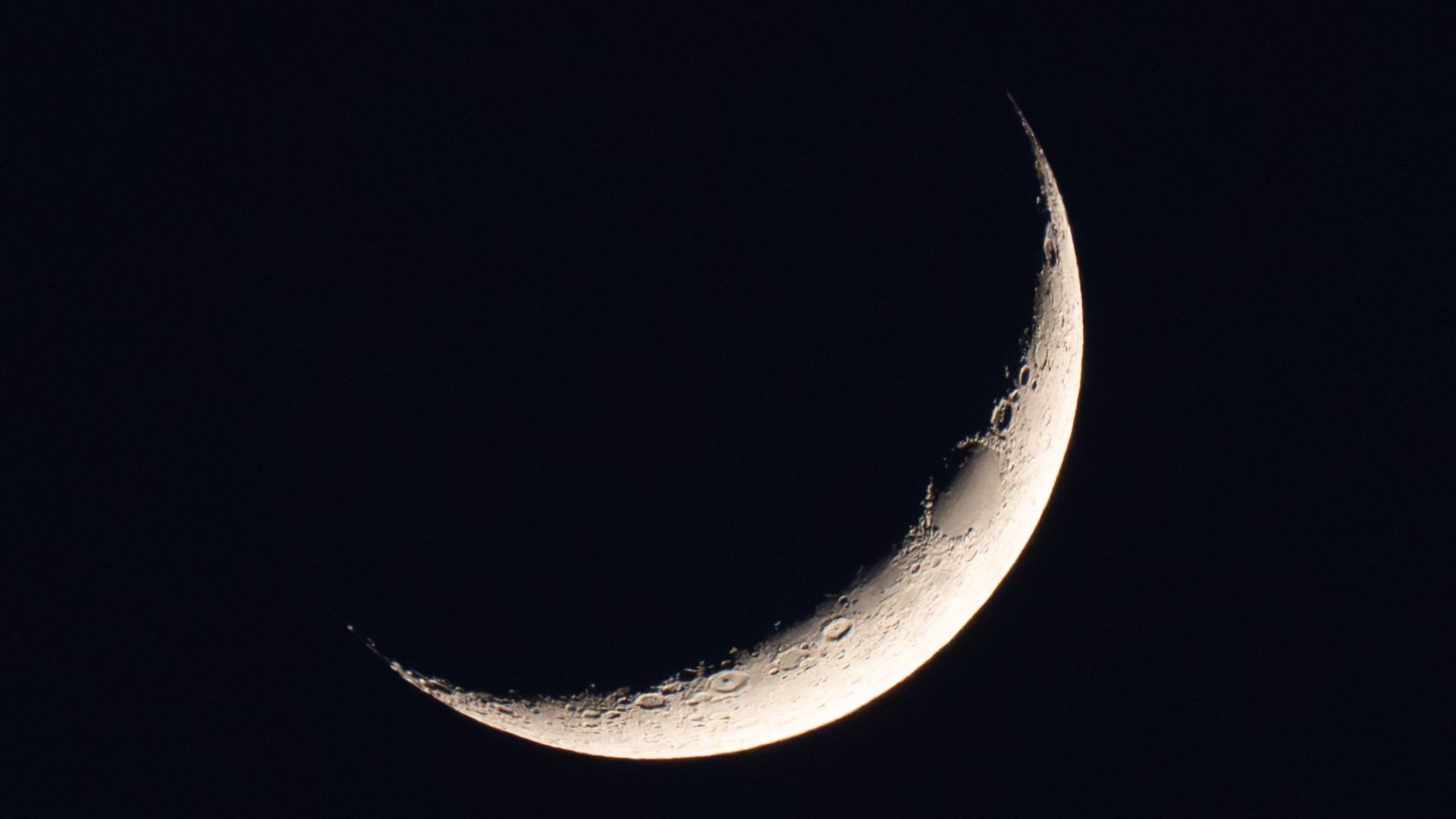
On January 22nd, stargazers will have the chance to witness a beautiful celestial alignment: a slender crescent moon appearing close to the planet Saturn in the western sky. This event is visible to the naked eye, making it an accessible spectacle for anyone looking up at sunset.
What to Expect
The moon will be approximately 22% illuminated, appearing roughly 30 degrees above the horizon – about the width of three fists held at arm’s length. Saturn will be positioned slightly to the moon’s upper left, appearing as a bright, steady point of light. The four stars forming the Great Square of Pegasus will add further brilliance to the scene, creating a diamond-like pattern above the moon and Saturn.
Enhanced Viewing with Telescopes
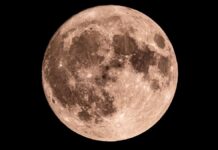
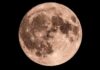
For those with telescopes, this alignment offers an even richer experience. The moon’s surface details, such as the dark basalt plains of Mare Crisium and Mare Fecunditatis, will become visible. These features, formed billions of years ago by ancient lava flows, provide a glimpse into the moon’s geological past.
Turning the telescope towards Saturn will reveal its iconic ring system, currently tilted almost edge-on from Earth’s perspective. Additionally, Saturn’s largest moons – Titan, Dione, Rhea, and Tethys – will appear as bright specks of light near the planet.
Neptune’s Subtle Presence
Though fainter, the distant ice giant Neptune will also be nearby, less than 2 degrees above Saturn. Spotting it requires a larger telescope (at least 8 inches in aperture) to resolve its tiny blue disk.
Viewing Schedule and Future Events
The moon and Saturn will set around four and a half hours after sunset on January 22nd. By the following night, the moon will have moved past Saturn, appearing higher in the evening sky and growing thicker as it approaches its first quarter phase on January 25th.
This alignment is not just a visual treat; it’s a reminder of the dynamic movements in our solar system and the ongoing celestial events that shape our night sky. Observing these events can inspire further exploration, whether through astrophotography or simply appreciating the beauty of the cosmos.