Darkness has a way of fading if you wait long enough. For days now, the sky has been empty where the Moon used to be. Then, it returned. Not with a bang. Just a whisper. A thin curve cutting through the black.
It’s July 18. A Saturday. And the night sky finally has something to offer that doesn’t require expensive gear to appreciate.
Why is the moon so small today?
The primary question on everyone’s mind tonight? What moon phase is today on July 18. The answer is a Waxing Crescent. NASA’s daily trackers confirm only 19% of the lunar surface is visible. That is not much light. But it is enough.
You don’t need a professional telescope to see what happened in space recently. With nothing but your eyes, you can spot two distinct dark patches known as maria. The Sea of Fecundity. The Sea of Crises. They stand out because they are basaltic plains, darker than the rugged highlands surrounding them.
If you want more, you have to dig a bit deeper. Literally.
Pull out a pair of binoculars or mount a small telescope. Look toward the terminator—that sharp line where light meets shadow. The contrast makes features pop. There, nestled in the dark, sits the Endymion Crater. It is a perfect rimmed circle waiting to be seen.
The best views aren’t the brightest. They’re the sharpest. Chasing the shadows reveals the topography.
When is the next full moon after July 2026?
Patience pays off. But you have to wait about two weeks.
The next Full Moon arrives on July 29, 2026. That is nearly 11 days from now.
Most people ask for dates because they want photos. They want that glowing orb centered in the frame. Right now? The Moon is too shy. It’s hiding. By late July, it will be impossible to ignore.
How moon phases work: A quick refresher
We act like the Moon changes its shape. It doesn’t.
It orbits Earth every 29.5 days. That number is stubborn. It never changes. As the Moon travels this elliptical path, the angle at which sunlight hits it shifts relative to where we stand on Earth.
The side facing us always stays the same. That is tidal locking. But the lighting rig is moving.
Here is the cycle, stripped of fluff:
- New Moon — Invisible. The Moon sits between Earth and the Sun. We stare into its unlit backside.
- Waxing Crescent — A sliver appears. In the Northern Hemisphere, it glows on the right. This is where we are now.
- First Quarter — Half-lit. The right side is bright. It looks like a “D” or a half-eaten cookie.
- Waxing Gibbous — Getting fuller. More than half is lit, but not quite there yet.
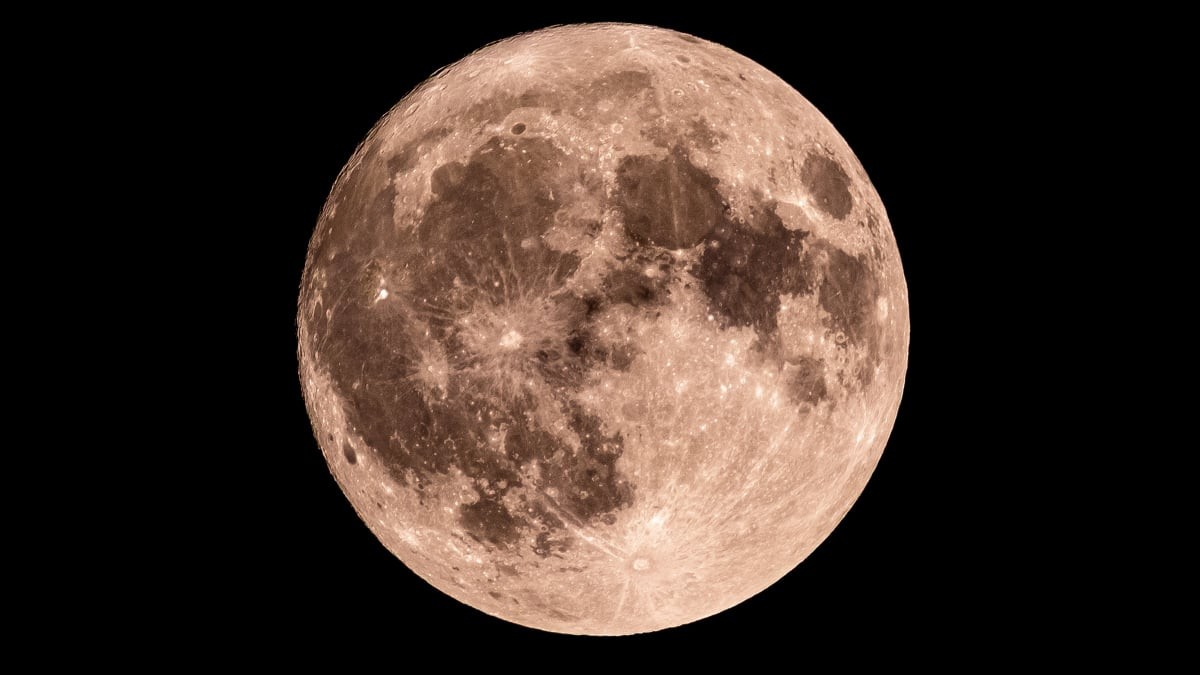
- Full Moon — 100% illuminated. The face is clear.
- Waning Gibbous — The light retreats from the right side. The disk shrinks slowly.
- Third Quarter — Another half, but the left side is now lit. A reverse “D”.
- Waning Crescent — A final sliver on the left. Then darkness returns.
It is a cycle of erosion. Light adds on. Then it strips away.
Which part of the cycle do you prefer? The drama of the Full Moon or the subtle geometry of the crescent?
Some say the darkness holds more secrets.
The waxing crescent fades slowly into memory. We track its disappearance by the faint outline visible during the day, a ghost against the blue sky. By Sunday morning, it might slip behind the glare of the dawn.
You can look for it if you know where to look. But why hurry?
There is time. The Moon isn’t going anywhere. It will return to 100%. It will wane to