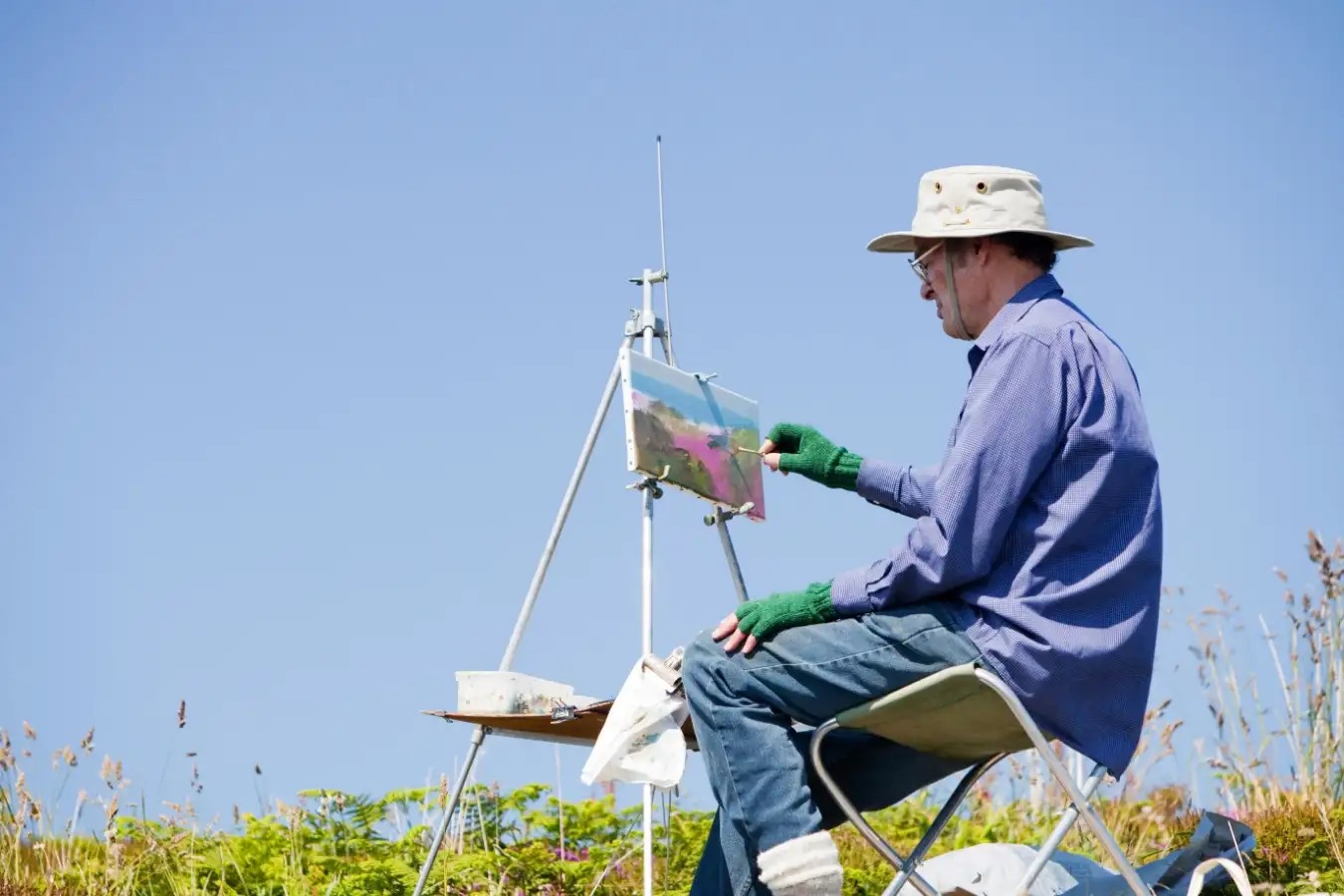
The story of Russell Haines illustrates a growing trend: the power of art to improve health. After suffering a stroke and subsequent physical and psychological decline, including debilitating pain, job loss, and depression, Haines was prescribed art classes by his doctor. Initially skeptical, he discovered that participation in creative activities drastically altered his condition.
Haines’ experience wasn’t unique. His recovery included improvements in mood, pain levels, blood pressure, and sleep quality – all to the point where he eventually eliminated all his medications. He progressed from passively observing art classes to actively creating it, culminating in an art exhibition and a thriving career as a professional artist. Today, his work sells for thousands of pounds, and he now leads art therapy classes himself.
The significance here isn’t anecdotal; it’s systemic. The National Health Service (NHS) in the UK is considering expanding “arts on prescription” programs based on these kinds of results. This approach acknowledges that traditional medical interventions aren’t always enough, and that creative outlets can address underlying issues that medication alone cannot.
Haines himself puts it bluntly: “They saved my life.” His story highlights how art can restore structure, purpose, and emotional stability in individuals facing chronic illness and mental health crises. The model of prescribing art is gaining traction because it’s a cost-effective, low-risk intervention with profound impacts.
This case demonstrates a shift toward holistic healthcare, where artistic expression is recognized as a legitimate therapeutic tool, rather than a luxury or hobby. The science behind this is complex, but the outcome is clear: art can heal.