NASA has officially categorized the 2024 Starliner mission failure as a “Type A” mishap, the agency’s most severe designation. This places the incident on par with catastrophic events like the Space Shuttle Columbia (2003) and Challenger (1986) disasters. The move follows a comprehensive 312-page report detailing failures in both hardware and leadership at Boeing, the spacecraft’s manufacturer.
Months Stranded in Space: The Incident Explained
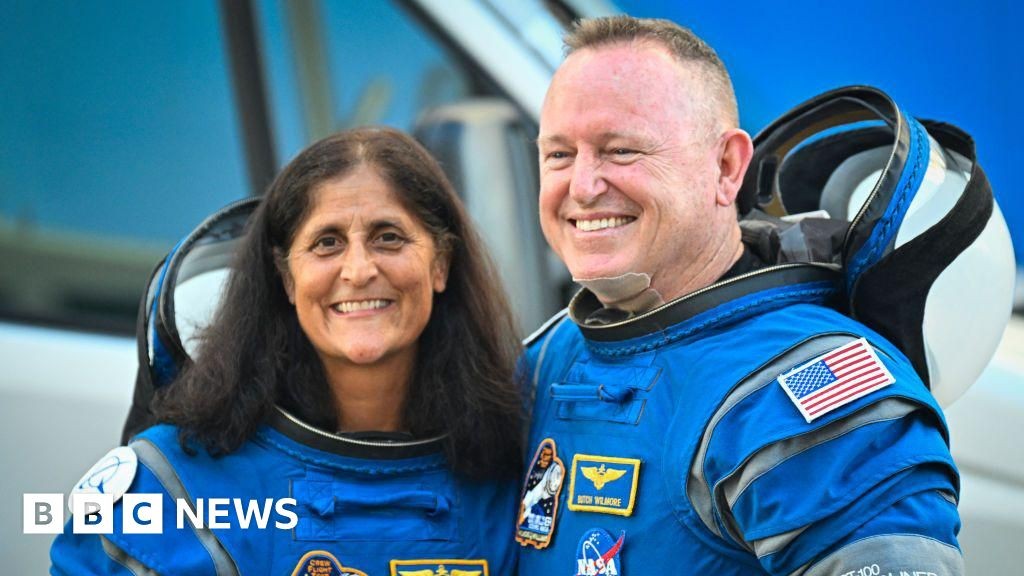
The Starliner mission, intended to be an 8-14 day test flight, turned into a months-long ordeal for astronauts Suni Williams and Butch Wilmore. The spacecraft experienced multiple issues that should have halted the mission, but were overlooked. The pair ultimately spent over nine months aboard the International Space Station awaiting rescue via a SpaceX flight in March 2025. Both pilots have since retired from NASA.
This incident highlights fundamental weaknesses in quality control and oversight that allowed a severely flawed vehicle to proceed with a crewed mission.
Leadership Accountability Under New NASA Chief
NASA’s new administrator, Jared Isaacman, publicly condemned Boeing and the agency’s prior leadership for accepting Starliner despite known issues. Isaacman, himself a veteran pilot who participated in a private spaceflight, took the NASA helm after a contentious nomination process involving former President Donald Trump and SpaceX CEO Elon Musk. His appointment signals a new era of accountability, with NASA explicitly declaring the incident a Type A mishap to ensure future prevention.
Why This Matters: A Systemic Problem
The “Type A” designation is reserved for failures resulting in over $2 million in damage, loss of vehicle control, or fatalities. While this mission did not cause deaths, the potential for disaster was present. The report identifies systemic issues: poor engineering practices at Boeing, a lack of rigorous oversight, and cultural problems within both NASA and Boeing that allowed unsafe conditions to persist.
The incident underscores a critical trend in commercial space: the pressure to accelerate timelines often outweighs safety protocols. The Starliner failure is not just a technical flaw, but a warning about the dangers of unchecked commercial interests in high-stakes space programs.
Corrective Actions and Future Implications
NASA has accepted the independent investigation’s findings and is implementing corrective measures. However, the incident raises broader questions about the role of independent oversight in commercial space ventures. The severity of this mishap demands a fundamental reassessment of how NASA partners with private companies to ensure mission safety.
The Starliner failure serves as a harsh reminder that space travel, even with commercial involvement, remains inherently risky and demands uncompromising safety standards.