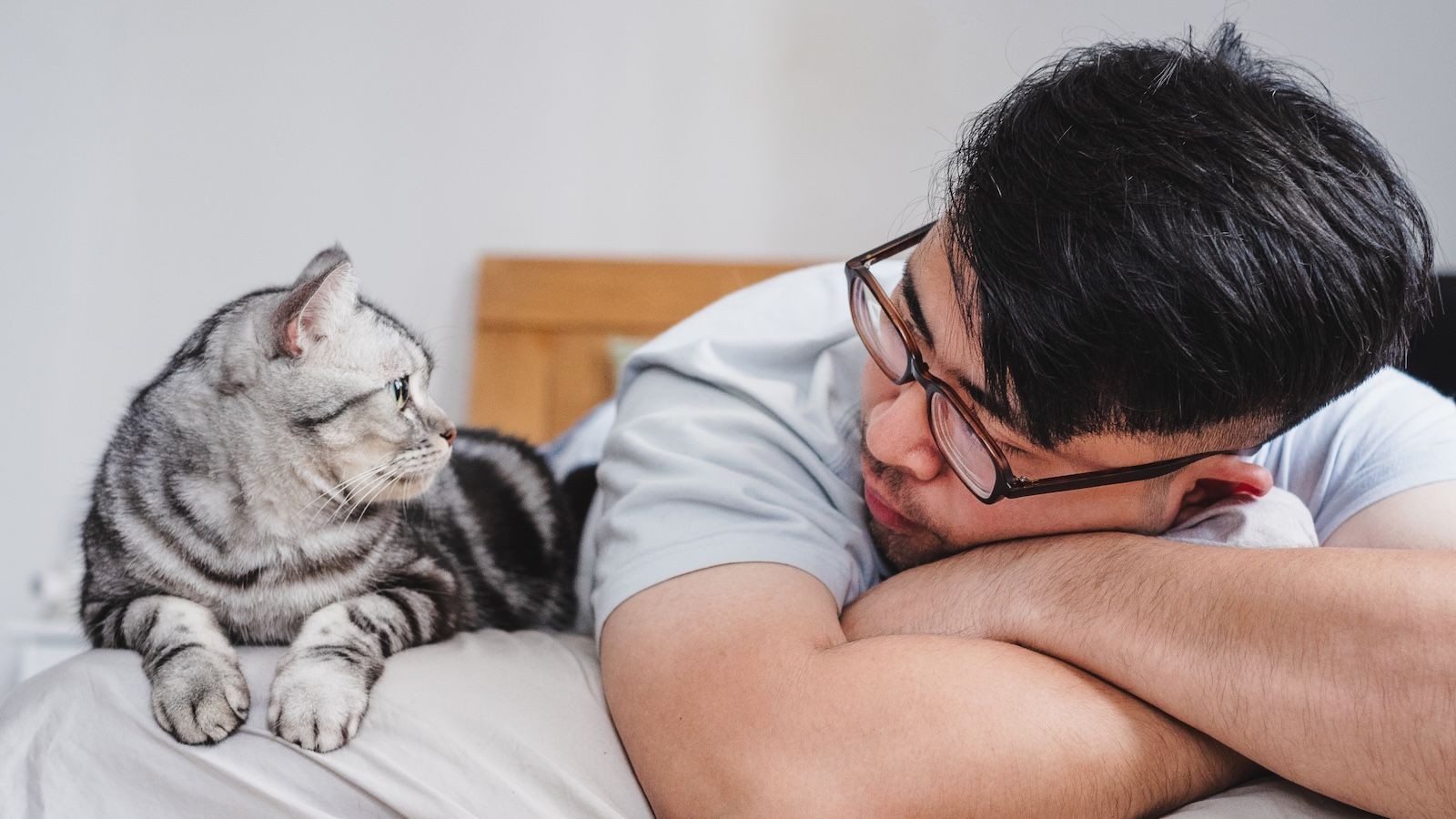
For millennia, humans have shared their lives with cats, a relationship often framed as mutualistic. But a closer look reveals a far more complex dynamic, one where cats may be less partners and more… opportunistic freeloaders. This isn’t about malice; it’s a matter of biological reality. As we redefine what it means to co-exist, we must question whether our feline companions are truly benefiting us, or simply benefiting from us.
The Rise of the Domestic Cat: From Pest Control to Parasite
The story begins with the African wildcat (Felis silvestris lybica ), which followed early human settlements in search of easy prey: rodents attracted by stored grain. This was a classic mutualism; cats controlled pests, humans benefited from cleaner food stores. Archaeological evidence, including a 9,500-year-old burial on Cyprus, shows humans actively transported cats, likely scratching them in the process, to new locations. For a time, this partnership was genuinely reciprocal.
However, as human settlements scaled into cities, the dynamic shifted. The sheer volume of grain in ancient Egypt (by 1600 BCE) made feline pest control functionally irrelevant. Maintaining enough cats to make a difference would have been impractical. Instead, cats began to occupy a new niche: pampered companions, often depicted under chairs alongside wealthy Egyptians, even leashed as status symbols.
The Numbers Don’t Lie: A Feline Calorie Empire
Today, the scale of this shift is staggering. Globally, there are an estimated half a billion domestic cats – far exceeding the populations of iconic wild felines like tigers and lions. In the United States alone, 70 million cats represent one feline for every four adults. And these cats consume an astonishing 15 billion calories’ worth of food daily, rivaling the caloric intake of New York City’s human population.
This isn’t just about numbers. Cats have effectively replaced wild predators in many ecosystems, with humans willingly footing the bill. From a purely Darwinian perspective, they are parasites of human societies, thriving at our expense. The question isn’t whether they could survive without us, but whether we continue to enable their survival because of us.
Beyond Utility: The Evolution of a Bond
The modern cat-human relationship is no longer about practicality. Cats don’t significantly control rodent populations in most urban environments. Their value lies elsewhere: in companionship, entertainment, and emotional fulfillment. But this doesn’t negate the imbalance. We have engineered a system where a non-essential species flourishes at a massive energetic cost, all while demanding affection and resources.
The key takeaway? The terms of mutualism are fluid. What begins as a reciprocal exchange can evolve into a one-sided dependency. Perhaps we should reconsider our metrics for defining “benefit.” If the primary purpose of a partnership is no longer survival, but simply… enjoyment, then the lines between parasite and partner blur.
Ultimately, the proliferation of domestic cats forces us to confront a simple truth: we have willingly created a world where a small predator thrives by consuming a disproportionate share of our resources. This isn’t necessarily wrong, but it demands acknowledgment. The call of the honeyguide isn’t about harmony; it’s about accepting the messy, often parasitic realities of co-existence.