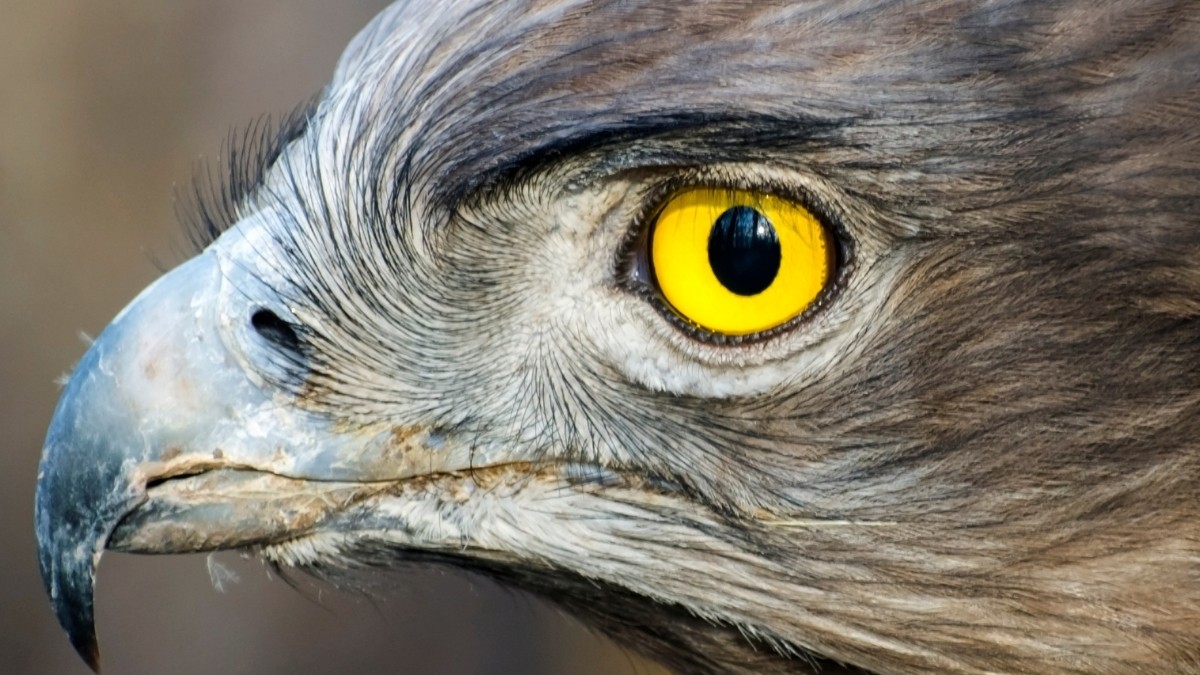
Birds possess a unique visual system, defying conventional vertebrate biology by maintaining functional retinas without blood vessels. For centuries, scientists have puzzled over this anomaly, and now, a team from Aarhus University has pinpointed the mechanism: the pecten oculi, a mysterious structure within the eye, acts as a biological workaround for oxygen delivery.
The Anoxic Retina Explained
Most animal retinas rely on oxygen-rich blood to fuel cells. However, bird retinas operate in anoxic conditions – meaning without oxygen – due to the absence of blood vessels. This is not an accident: it’s an evolutionary adaptation.
While cells can survive on anaerobic glycolysis (converting glucose to energy without oxygen), this process is inefficient and produces toxic lactic acid. Birds solve this by using the pecten oculi to provide glucose and remove lactic acid, preventing cellular damage.
The Pecten Oculi: A Centuries-Old Mystery Solved
The pecten oculi, first observed in the late 17th century, is a highly vascularized structure adjacent to the retina. It has long been debated what its function is. Recent research confirms that the pecten is a highly efficient glucose transport system.
The study, conducted on zebra finches, shows that the inner retina relies entirely on anaerobic glycolysis, consuming around 2.5 times more glucose than the bird’s brain. The pecten ensures a continuous supply while simultaneously removing metabolic waste.
Evolutionary Advantages and Implications
This unusual eye structure likely evolved for several reasons:
– Reduced visual obstruction: Blood vessels can impair vision, especially in species that require clear sight.
– High-altitude adaptation: Birds migrating at high altitudes face oxygen scarcity, making anoxic vision a survival advantage. Short-toed snake eagles, for example, have retinas too thick for oxygen diffusion and rely heavily on this system.
This discovery could have broader implications: understanding how bird eyes survive without oxygen may offer insights into treating oxygen deprivation in other animals, including humans suffering from strokes. The underlying mechanisms could also inform research into cellular resilience in extreme conditions.
A Collaborative Breakthrough
After eight years of research, involving experts across multiple scientific fields, the function of the pecten oculi is now clear. This discovery highlights the power of interdisciplinary collaboration in unraveling complex biological mysteries, demonstrating how millions of years of evolution have shaped one of nature’s most remarkable adaptations.