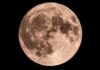
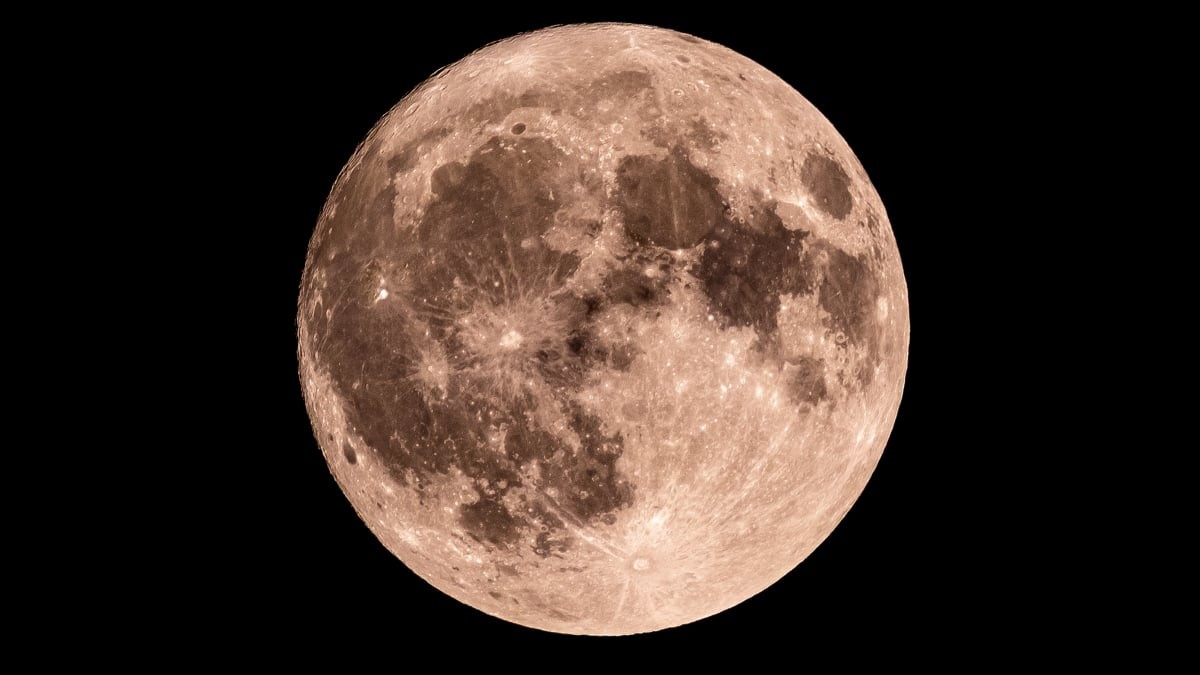
Today, January 13, 2025, the Moon is in its Waning Crescent phase. This means that approximately 24% of the Moon’s surface is illuminated, making it visible in the night sky as a shrinking sliver. The lunar cycle progresses steadily, and by January 29, the Moon will enter the New Moon phase, becoming entirely dark to observers on Earth.
What You Can See Tonight
Even without specialized equipment, certain features are visible with the naked eye. These include prominent craters such as Kepler and vast dark plains like the Oceanus Procellarum.
Binoculars enhance the view, revealing additional details such as the Grimaldi Basin and the Mare Humorum. Telescopes unlock even more—including the historic Apollo 12 landing site and the Schiller Crater, offering a deeper look into lunar geography.
The Lunar Cycle Explained
The Moon orbits Earth in roughly 29.5 days, completing one full lunar cycle. The changing phases are the result of varying sunlight exposure as the Moon moves through its orbit.
The eight distinct phases are:
- New Moon: The Moon is positioned between Earth and the sun, rendering the visible side dark.
- Waxing Crescent: A thin, growing arc of light appears on the right side (in the Northern Hemisphere).
- First Quarter: Exactly half of the Moon is illuminated on the right side.
- Waxing Gibbous: More than half of the Moon is lit, but not yet full.
- Full Moon: The entire face of the Moon is fully illuminated.
- Waning Gibbous: The Moon begins to lose illumination on the right side.
- Third Quarter (Last Quarter): Half of the Moon is lit on the left side.
- Waning Crescent: A thin sliver of light remains on the left side before the Moon disappears into the New Moon phase.
Looking Ahead
The next Full Moon will occur on February 1, while the most recent Full Moon was on January 3. This predictable cycle has been observed for centuries, guiding cultures and influencing scientific study. The Moon’s phases are a fundamental aspect of our natural world, and observing them provides a tangible connection to the cosmos.