


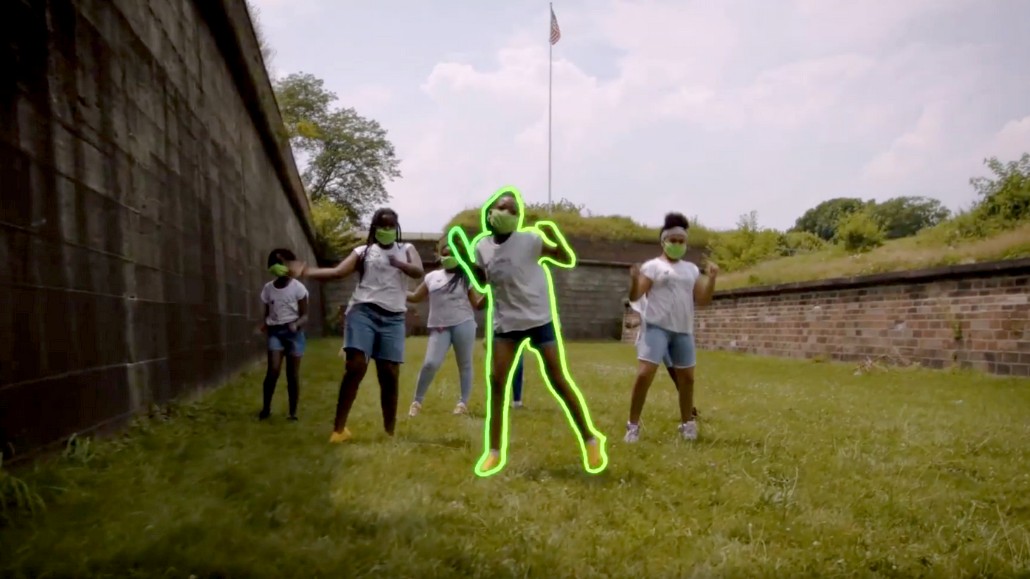
For too long, the world of science, technology, engineering, and mathematics (STEM) has been perceived as exclusive – a realm accessible only to a select few. But a growing wave of researchers, artists, and educators are actively dismantling that perception, proving that science isn’t confined to labs and equations; it thrives in movement, sound, and deeply rooted cultural practices. This isn’t just about making STEM more inclusive; it’s about enriching science itself by bringing in new perspectives and methodologies.
Breaking Barriers with Movement: Dance as a STEM Gateway
Kayla DesPortes, an engineer at New York University, exemplifies this shift. She’s pioneered the use of dance as a gateway to coding and engineering, demonstrating that complex technical concepts can be grasped through physical expression. Her work with the danceON and DanceBits programs shows how integrating technology with movement can empower young people, especially girls of color, to see themselves as future STEM leaders.
The core idea is simple: if a right fist in the air can trigger lightning in a coded visual effect, then the abstract world of programming becomes tangible, visceral, and exciting. This approach isn’t just about making learning fun; it’s about challenging the narrow image of who “belongs” in STEM. DesPortes observed that the field lacked diversity, despite the ubiquity of technology in everyday life. Her response: build tools that reflect the reality that computers are for everyone.
The Power of Listening: Sonification for Universal Understanding
Amy Bower, an ocean scientist at Woods Hole Oceanographic Institution, faced a different barrier: blindness. Forced to adapt her research methods after losing her sight, she realized that data didn’t have to be seen to be understood. This led to the Accessible Oceans project, which translates oceanographic data into sound.
Instead of relying on visual graphs, Bower’s team created “data sonifications” that allow anyone, including those with visual impairments, to experience complex information through auditory cues. An underwater volcanic eruption, for example, is conveyed through changing pitches corresponding to water pressure. This approach isn’t just an accommodation; it’s a fundamental rethinking of how we communicate science. As Bower discovered, sonification can bridge gaps in understanding, making data accessible to a broader audience and even challenging the assumption that visual representation is the only valid form of scientific communication.
Indigenous Knowledge: Reclaiming Science’s Roots
For centuries, Indigenous knowledge systems have been marginalized or dismissed by Western science. Lydia Jennings, a member of the Pascua Yaqui and Huichol Nations and a soil scientist at Dartmouth College, is working to dismantle this historical injustice. She argues that traditional Indigenous approaches to knowledge creation – rooted in community, observation, and relationship with the land – are not just valid but essential to a more holistic understanding of the world.
Jennings emphasizes that Indigenous data doesn’t come from labs but from ecosystems, language, and elders. She actively integrates this knowledge into her work, collaborating with communities to address challenges in food security, biodiversity conservation, and data sovereignty. This isn’t about simply adding Indigenous perspectives; it’s about recognizing that science has always been diverse, and that excluding certain ways of knowing weakens its potential.
The Future of Inclusive Innovation
The efforts of DesPortes, Bower, and Jennings are united by a common goal: to expand access to science and redefine what science can be. By embracing dance, sound, and Indigenous knowledge, they are proving that innovation thrives when barriers are broken down and diverse voices are included. This isn’t just about making science more inclusive; it’s about making science better – more relevant, more creative, and more responsive to the needs of a changing world.
The future of STEM isn’t about forcing everyone into the same mold; it’s about creating space for new forms of expression, new ways of knowing, and a truly inclusive community of scientists and engineers.


