A breakthrough case in Germany has demonstrated the potential of CAR-T cell therapy to treat complex, multi-system autoimmune diseases. A 47-year-old woman, who had suffered for over a decade from three distinct autoimmune conditions, has entered complete remission following an experimental “immune reset.”
The Complexity of the Condition
The patient faced a devastating combination of three rare disorders that forced her into a grueling daily routine of blood transfusions and blood-thinning medications:
- Autoimmune Hemolytic Anemia (AIHA): The immune system attacks red blood cells, leading to severe anemia.
- Antiphospholipid Antibody Syndrome (APLAS): Immune cells attack tissues, significantly increasing the risk of dangerous blood clots.
- Immune Thrombocytopenia (ITP): The immune system destroys platelets, which are essential for blood clotting and preventing excessive bleeding.
For ten years, the patient cycled through nine different treatments, none of which provided lasting relief. Her quality of life was severely compromised by the constant need for medical intervention to keep her blood counts stable.
The Mechanism: How CAR-T Therapy Works
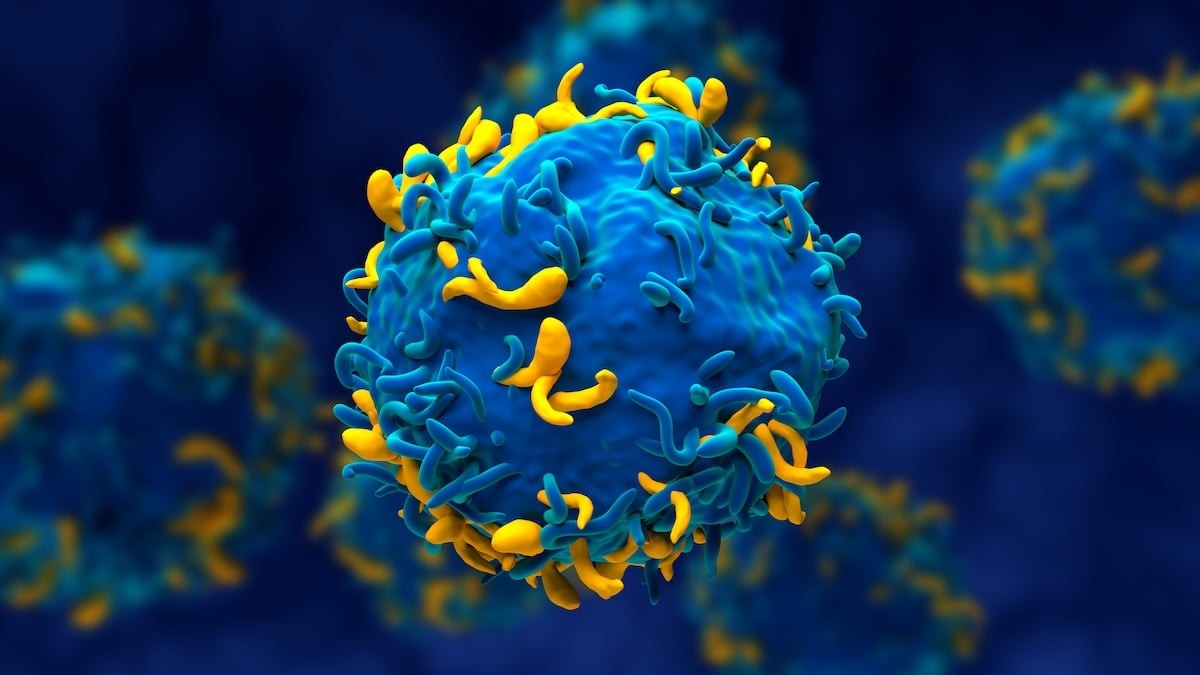
Traditionally, Chimeric Antigen Receptor (CAR) T-cell therapy is a cornerstone of modern oncology. It is used to fight cancer by “reprogramming” a patient’s own immune cells to recognize and destroy malignant targets.
In this experimental application, researchers at the University Hospital of Erlangen pivoted the technology from fighting cancer to correcting an immune malfunction. The medical team identified that the patient’s primary issue stemmed from rogue B cells. These specific cells were producing the faulty antibodies that instructed her immune system to attack her own healthy blood cells and tissues.
The process involved three key steps:
1. Extraction: The patient’s T cells were removed from her body.
2. Engineering: Scientists “supercharged” these cells to target a specific protein called CD19, which is found on the surface of the problematic B cells.
3. Reinfusion: The engineered cells were returned to her bloodstream to hunt down and eliminate the rogue B cells.
Rapid Recovery and Long-Term Results
The results of the single infusion were described by hematologist Fabian Müller as “remarkable” in both speed and depth.
- Within 7 days: The patient no longer required daily blood transfusions.
- By day 25: Biomarkers confirmed complete remission. Her hemoglobin and platelet levels stabilized, and the antibodies responsible for blood clots became undetectable.
- At 10 days post-discharge: The patient reported a rapid increase in physical strength, allowing her to return to normal daily activities.
Nearly a year later, the patient remains in treatment-free remission. While her B cells have begun to return, they are “naive” cells—meaning they lack the “memory” of the previous disease and do not attack her healthy tissue. Consequently, she has been able to stop all blood-thinning medications without complications.
Why This Matters for the Future of Medicine
This case highlights a significant shift in how we might approach chronic autoimmune diseases. Rather than simply managing symptoms with lifelong medication, this therapy offers the possibility of a functional reset.
“If we can intervene sooner, we may be able to stop the disease process, avoid organ damage, and give patients their lives back.” — Fabian Müller, Hematologist
While this is a single case study and requires further controlled clinical trials to confirm its efficacy across broader populations, it provides a powerful proof of concept. If successful in larger trials, CAR-T therapy could move from a specialized cancer treatment to a transformative tool for patients suffering from debilitating autoimmune disorders like Lupus or AIHA.
Conclusion: By repurposing cancer-fighting technology to eliminate rogue B cells, researchers have successfully reset a patient’s immune system, offering a potential blueprint for treating severe, multi-faceted autoimmune diseases.