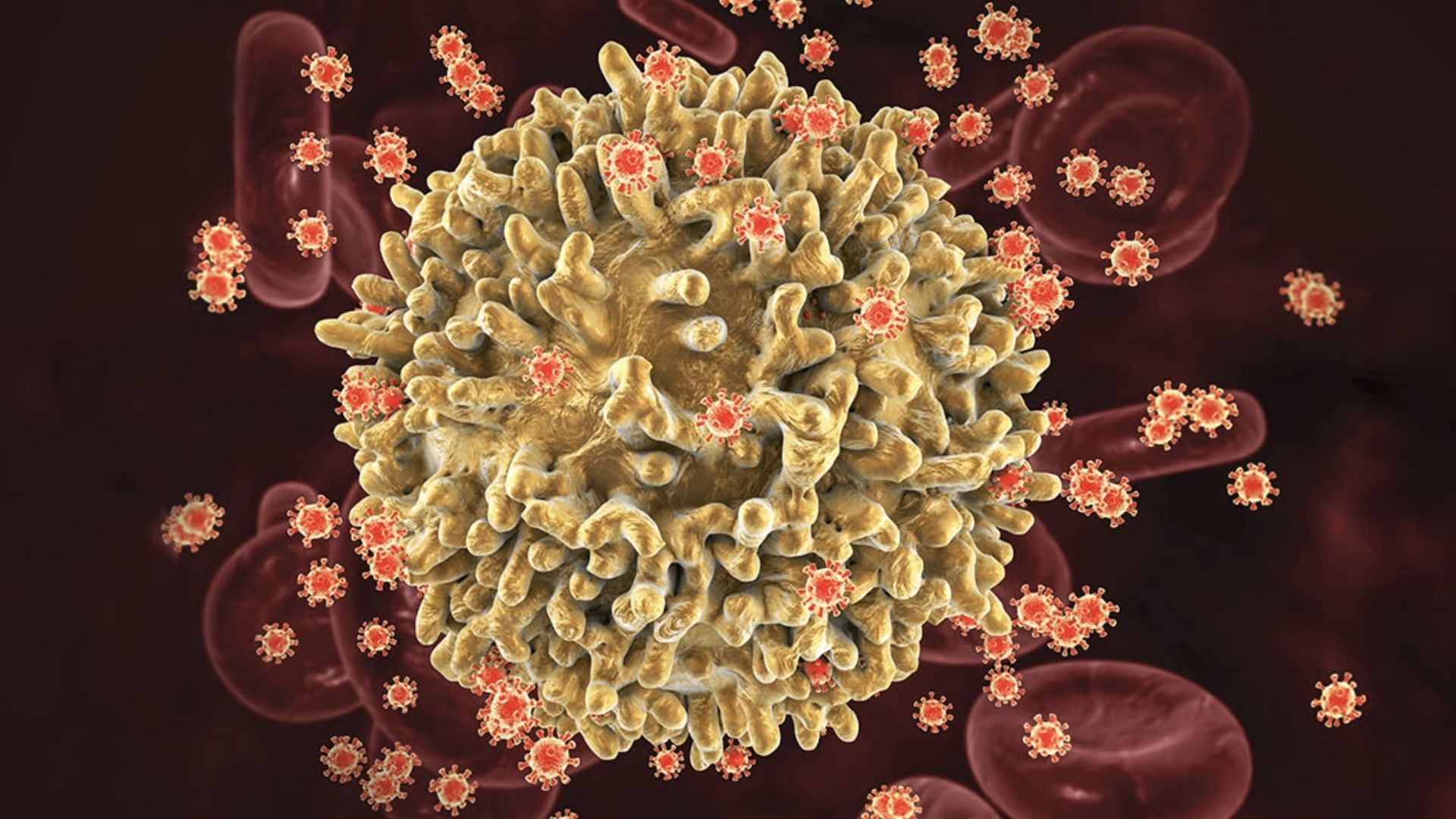
For the 40 million people worldwide living with HIV, the prospect of a cure has long remained elusive. Current treatments rely on lifelong antiretroviral therapy (ART) – effective but demanding, expensive, and often stigmatizing. However, recent clinical trials suggest a “functional cure” – sustained viral control without continuous medication – may be within reach.
Breakthrough Antibody Infusions Show Promise
Two independent studies, FRESH in South Africa and RIO in the UK and Denmark, have yielded encouraging results. Both trials used infusions of engineered broadly neutralizing antibodies (bNAbs) – lab-created antibodies designed to target critical, stable parts of HIV, preventing it from infecting cells.
In the FRESH trial, led by Thumbi Ndung’u, four out of 20 participants maintained undetectable viral loads for over a year after stopping ART. The RIO trial, spearheaded by Sarah Fidler, saw six of 34 participants remain virally suppressed for at least two years post-treatment. These findings demonstrate that the immune system can be harnessed to fight HIV long-term.
Why This Matters: Beyond Lifelong Treatment
While ART allows people with HIV to live long, healthy lives, it doesn’t eradicate the virus. Lifespans remain shorter than uninfected individuals, and daily medication poses logistical, financial, and social hurdles. The quest for a functional cure isn’t just about eliminating pills; it’s about improving quality of life, reducing healthcare burdens, and potentially breaking the stigma associated with HIV.
How the Trials Worked: Stimulating Immune Control
The trials strategically paired bNAbs to minimize the risk of viral resistance. Participants received a single injection, then paused ART. The goal was to allow the antibodies to work with the immune system to clear active HIV particles, ideally triggering a sustained immune response.
Remarkably, the interventions did provoke ongoing immune control in some participants – akin to a therapeutic vaccine effect. In RIO, over half of the participants maintained viral suppression 96 weeks after the antibodies cleared their systems. A control group receiving saline infusions quickly relapsed. FRESH saw similar trends: six of 20 participants remained virally suppressed for 48 weeks, with one still off ART over two years later.
Harnessing Elite Controllers: A New Path Forward
The trials’ success mirrors what happens in “elite controllers” – the rare 1% of HIV-positive individuals who naturally suppress the virus without treatment. By stimulating the immune system, particularly CD8+ T cells (which hunt down infected cells), these interventions may create an “immune memory” capable of controlling HIV even after antibodies fade.
The FRESH trial also incorporated vesatolimod, a drug designed to “shock” dormant HIV out of hiding, making it vulnerable to immune attack. Early data suggest this combination may directly target viral reservoirs, the biggest obstacle to a complete cure.
The Road Ahead: Larger Trials and Optimizing Antibodies
Researchers emphasize caution: viral rebound is possible, and long-term data is needed. However, these trials represent a paradigm shift. By demonstrating that immune control is achievable, they pave the way for larger, more representative studies to optimize antibody therapies. The ultimate goal remains a functional cure, and the latest findings suggest it may finally be within reach.