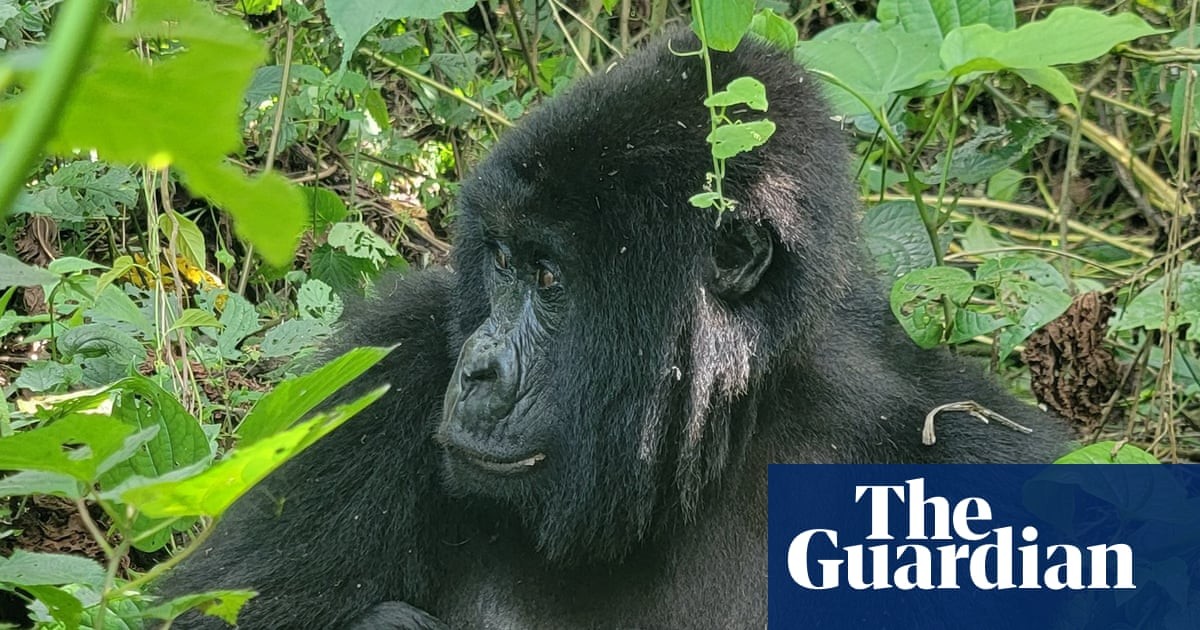
The Virunga National Park in eastern Democratic Republic of Congo (DRC) recently witnessed a rare event: the birth of twin mountain gorillas. The newborns, male infants, were born to Mafuko, a resilient mother within the park’s largest gorilla family, the Bageni group, now totaling 59 individuals. This event is not just a heartwarming moment but also a significant indicator of the ongoing, albeit precarious, success story of mountain gorilla conservation.
A Fragile Start to Life
Twin births among mountain gorillas are exceptionally rare, and historically, infant mortality rates are high. The first four weeks are critical for the twins, as approximately 25% of young gorillas succumb to disease, injury, or infanticide. Katutu, head of gorilla monitoring in Virunga, describes the sight of Mafuko with her newborns as both “moving and filled with responsibility,” given their extreme vulnerability.
Mafuko herself has experienced loss before, having given birth to twins in 2016, neither of whom survived beyond a few days. Despite this, her current maternal behavior is encouraging, with the mother attentive to her infants’ needs, fostering hope for their survival. The rangers are monitoring the pair daily, with specialist vets on standby should complications arise.
From Near Extinction to Endangered
The twins’ arrival marks another milestone in one of the most remarkable conservation turnarounds of the last century. By the 1970s, fewer than 250 mountain gorillas remained, split between isolated populations in Uganda and the Virunga massif. Decades of dedicated conservation efforts have since pushed the population past 1,000, leading to the subspecies’ reclassification from critically endangered to endangered.
However, this progress has come at a steep human cost. The Virunga range remains one of the most dangerous places for wildlife rangers, with over 220 killed in the past two decades by armed groups, bandits, and poachers operating with impunity. The survival of the gorillas is inextricably linked to the safety of those protecting them.
Conservation and Veterinary Intervention
The revival of the mountain gorilla population is not solely due to habitat protection; veterinary care has been pivotal. Organizations like Gorilla Doctors have prevented countless deaths by treating gorillas injured by human activity, such as those caught in traps. One study suggests that half of the population increase is directly attributable to these medical interventions.
For now, the twins remain unnamed, a precaution until their survival becomes more certain. Initial observations are positive, with the infants exhibiting healthy newborn behaviors. However, their future remains uncertain, a reminder of the ongoing challenges facing this iconic species.
The birth of these twins is a testament to both the resilience of mountain gorillas and the dedication of conservationists working in extremely dangerous conditions. Their survival will depend on continued vigilance, veterinary support, and the broader effort to secure the future of this endangered subspecies.