


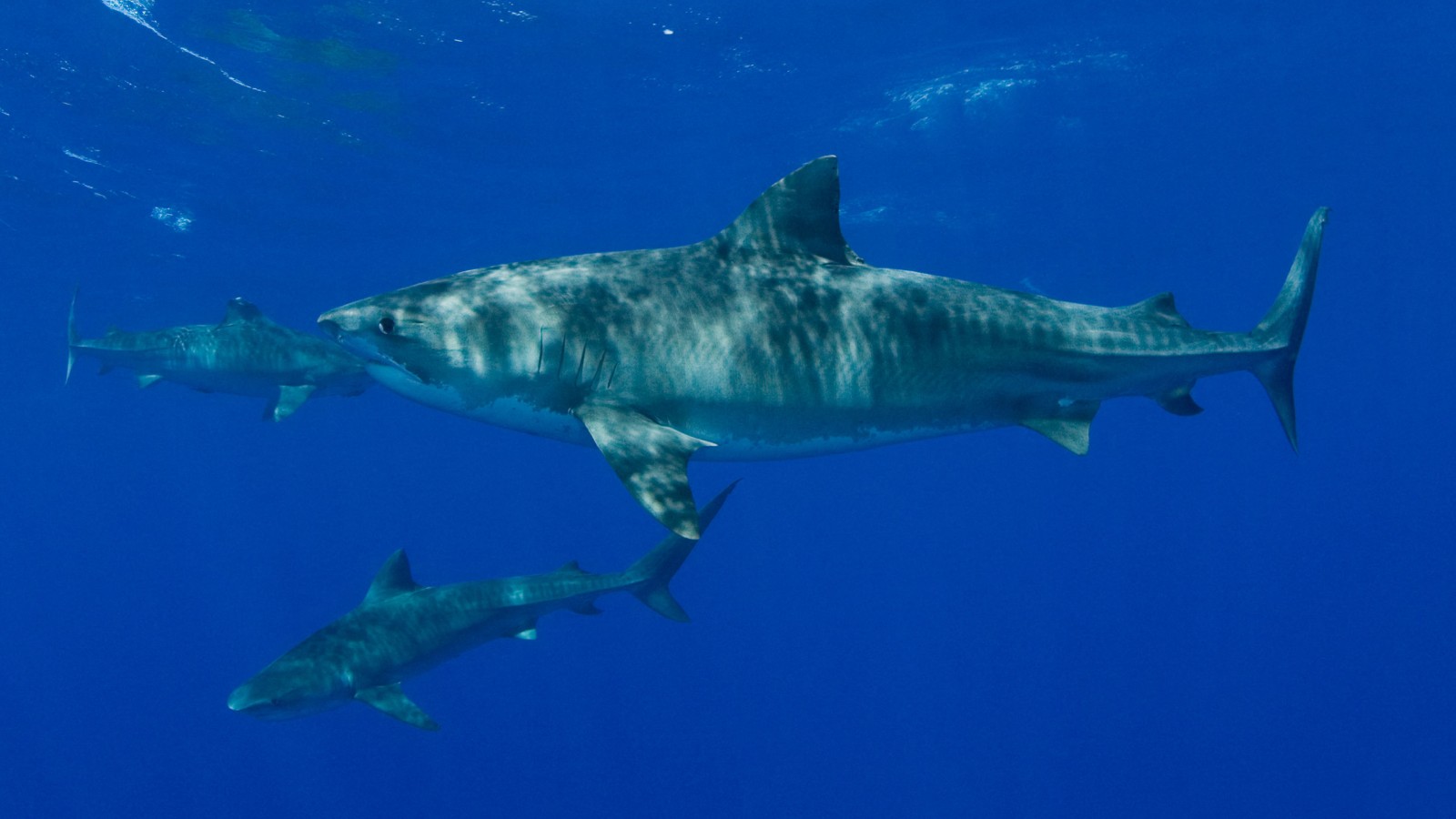
A new study confirms a long-observed trend: shark bite incidents in Hawaii significantly increase during October. This phenomenon, dubbed “Sharktober” by some, isn’t random. Research indicates it’s driven by the reproductive cycle of tiger sharks, which migrate to Hawaiian waters to give birth during this month.
The Data and the Species
Over three decades (1995-2024), Hawaii recorded 165 unprovoked shark bites. Tiger sharks (Galeocerdo cuvier) were responsible for nearly half (47%) of these incidents. Another 33% were from unidentified species, with the remaining 16% attributed to requiem sharks. October alone accounts for roughly 20% of all bites—two to four times more than any other month. Crucially, tiger sharks account for at least 63% of bites in October.
This timing isn’t correlated with increased human activity in the water; rather, it aligns with tiger shark migration and pupping seasons. According to marine biologists, large adult females travel from the northwest Pacific to Hawaiian shores in October to give birth.
Why October? Reproduction and Recovery
Tiger sharks are ovoviviparous, meaning they hatch eggs internally and nourish embryos beyond the yolk sac. After a 15-16 month gestation, females typically give birth to around 30 pups. This process is energetically demanding. The increased presence of large, pregnant and recently-birthed sharks near shorelines forces them to forage actively to recover energy.
While pup independence means mothers don’t protect their young, the increased density of large sharks in shallow waters raises the bite risk. Other factors, like seasonal prey availability, could also play a role.
Global Trends and Risk Assessment
The October spike is specific to Hawaii and tiger sharks, but similar seasonal patterns likely exist elsewhere. Globally, great white sharks, tiger sharks, and bull sharks are responsible for most unprovoked bites. Recent incidents near Sydney, Australia, align with the southern hemisphere summer breeding season of bull sharks.
Though bite numbers are rising globally (from 157 in the 1970s to 803 between 2010-2019), the overall risk remains low. Experts emphasize awareness over alarm, recommending caution for solo activities like surfing during peak seasons.
“The key implication is awareness, not alarm. Extra caution is advised during this month, particularly for high-risk, solo activities such as surfing or swimming in coastal areas.” – Carl Meyer, marine biologist.
The study reinforces the idea that shark behavior is often driven by ecological factors, not random aggression. Understanding these patterns is essential for both conservation and public safety.


