Liver disease isn’t just a party trick of heavy drinking anymore. Or at least, not exclusively.
Researchers found something lurking in the air. In your clothes. In the water.
Tetrachloroethylene. Call it PCE if you prefer. It’s the chemical powerhouse behind dry cleaning. And scientists at Keck Medicine of USC say it might be tripling your risk for serious liver scarring.
The study landed in Liver International. It’s big. Not just statistically significant but biologically noisy.
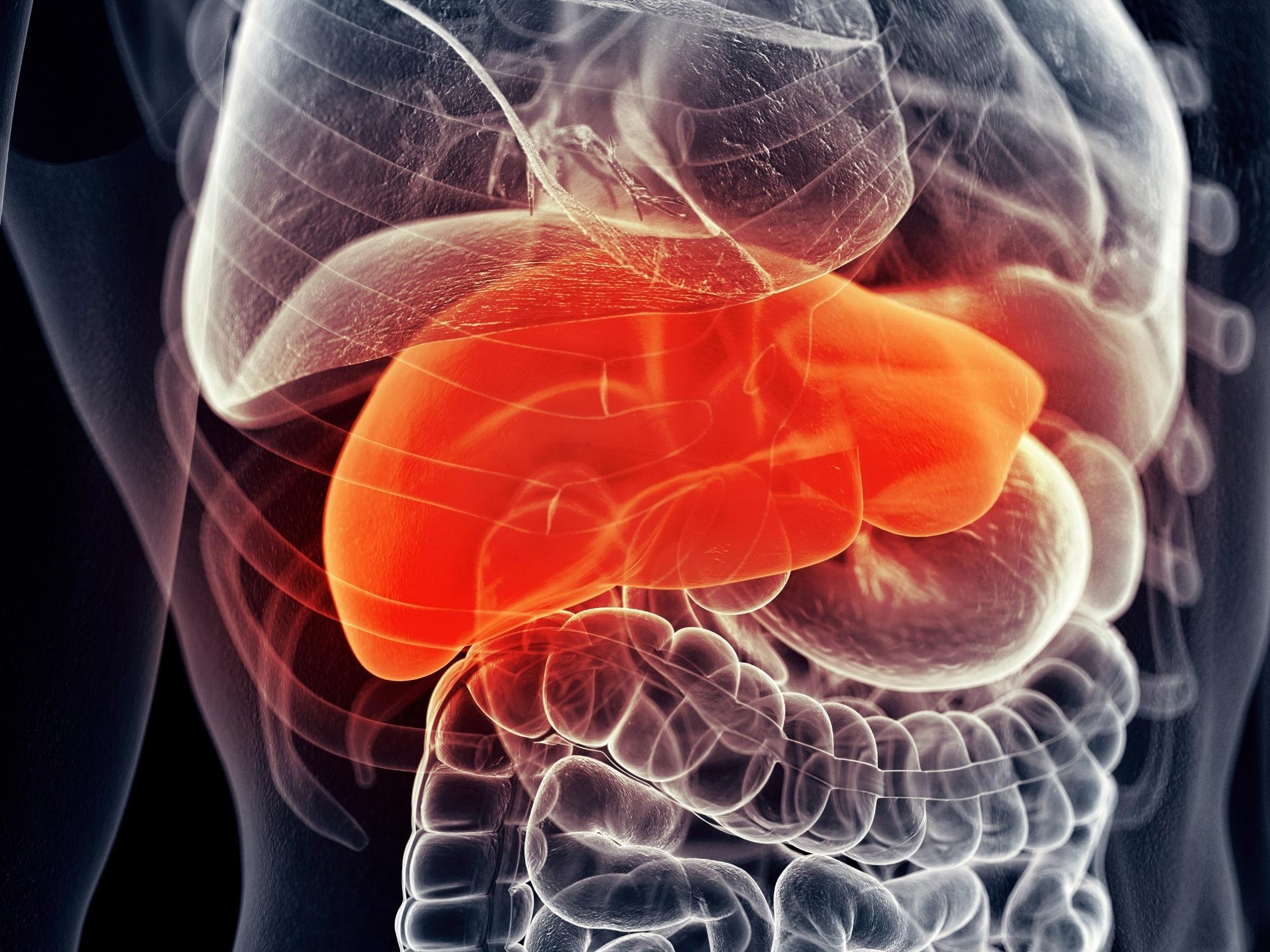
People with detectable PCE in their blood had three times the odds of significant liver fibrous. Scar tissue. The kind that blocks function, invites failure, or worse.
This is the first study to link general PCE exposure in the U.S. to measurable liver scarring
Brian Lee. He’s the lead author. A hepatologist. He puts it bluntly: two people can have identical lifestyles and genetic profiles. One gets liver disease. The other doesn’t. PCE might be the difference.
Beyond The Laundry Basket
You probably think of dry cleaners when you hear PCE. You should look elsewhere too.
Metal degreasing. Manufacturing plants. Adhesives. Even some spot removers in your closet drawer. It’s a volatile organic compound. It wants to evaporate.
Inhale it.
Clothes sitting in your wardrobe? They can release PCE vapors for days. Maybe weeks. If it spilled in your neighborhood years ago and seeped into groundwater, it’s still there. The EPA calls it a probable carcinogen. That’s a polite way of saying it causes cancer.
Bladder. Liver. Non-Hodgkin lymphoma.
The government knows this. The EPA recently announced a 10-year phase-out for dry cleaning uses. That’s slow. Very slow. In the meantime, it’s in old factories and groundwater. And your lungs.
The Numbers Don’t Lie
How do you measure invisible harm on a national scale? You look at the NHANES data.
National Health and Nutrition Examination Survey. It’s a long-running federal project. Reliable. The USC team pulled data on 1,614 U.S. adults aged 20+. The timeframe: 2017 to 2020.
7.4% of those people had PCE in their systems.
Low amounts? Sure. High amounts? Up to 57.5 nanigrams per milliliter.
They controlled for the usual suspects. Age. Sex. Race. Obesity. Alcohol intake.
The link remained. Thick and stubborn.
Here’s the kicker. A dose-response curve. Every single nanogram per millilitor increase in blood concentration raised the odds of fibrosis by over fivefold. That’s exponential. Dangerous.
Absolute risk? Nearly 28% higher for anyone with detectable exposure.
It doesn’t matter if you’re thin. It doesn’t matter if you drink moderately. If you’re breathing in PCE, the math changes.
Why do I have liver damage? I don’t drink. I don’t have fatty liver
That’s what patients ask Lee. His answer shifts now.
PCE.
Who Is Breathing It In?
Oddly. The richer you are, the more PCE you likely carry in your blood.
Why? Dry cleaners. Wealthy folks use laundry services more. They pick up shirts and jackets saturated with solvent. Then they walk out breathing it in.
But workers? Different story.
Dry cleaner staff. Industrial operators. They face repeated. Direct. Heavy exposure over decades. The general population gets the drift. The workers get the dose.
Researchers ran a control check too. They looked at other volatile organic compounds (VOCs). No link there. Just PCE. Specificity matters. It confirms the toxin.
Invisible Enemy
Liver disease is exploding globally.
We blame diet. We blame beer. But environment plays a quieter, sneakier game. Toxins accumulate. They sit. They wait. Symptoms don’t appear for years. By then, the scarring is often permanent.
Lee wants change. Early screening.
If you’ve been around industrial zones or use dry cleaners weekly? Get checked. Look for fibrosis markers before your liver stops working.
He’s right to be concerned. There’s plenty else out there besides PCE. Other toxins. Other invisible killers.
We clean our clothes to look professional. Maybe check your liver too. 🩺
Reference:
“Tetrachloroethylene Associated With Presence of Significant Liver fibrosis”
Yinan Su. Jennifer L. Dodge. Brian P. Lee
Liver International, October 2025
DOI: 10.111/liv/70398