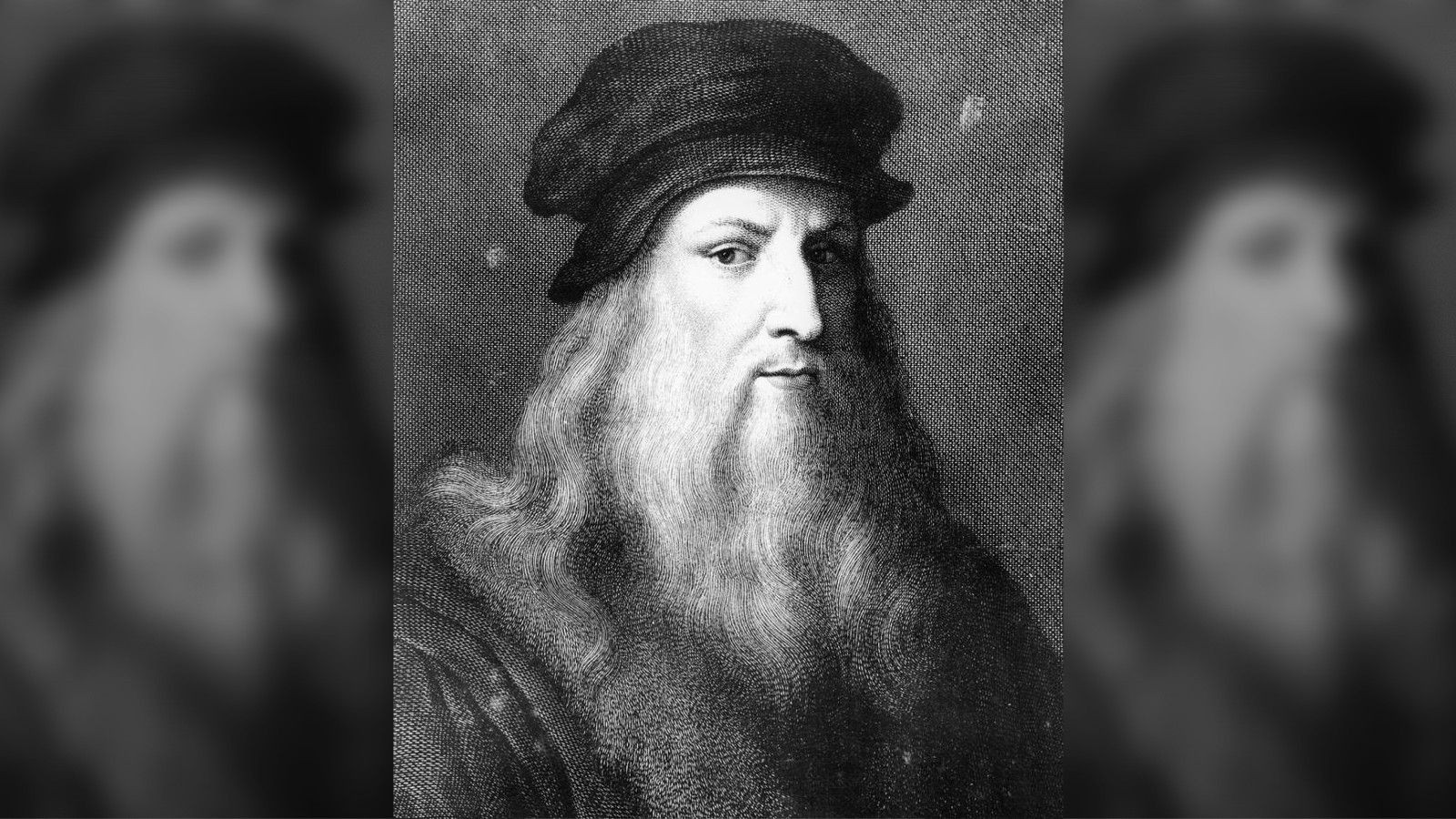
For the first time, scientists may have successfully extracted trace DNA from artwork attributed to Leonardo da Vinci. The findings, currently unverified by peer review, suggest a genetic link between a red chalk sketch titled “Holy Child” and a 15th-century letter penned by a distant cousin of the Renaissance master.
Genetic Linkages Found in Artwork and Historical Documents
The research, published on the preprint server bioRxiv, identified matching Y chromosome sequences in both the drawing and the letter. These sequences align with a genetic lineage originating in Tuscany, da Vinci’s birthplace. Y chromosomes are passed down almost identically from father to son, making this a potentially significant step towards reconstructing da Vinci’s complete genetic profile.
However, the study’s conclusions are not definitive. The authenticity of “Holy Child” remains debated, with some experts suggesting it may have been created by one of da Vinci’s students. If so, the DNA could belong to someone else entirely. Contamination from curators or handlers over centuries is also a possibility.
The Quest to Authenticate Art and Explore Genius
The broader goal of this research extends beyond simply identifying da Vinci’s DNA. Scientists hope to use genetic markers to authenticate disputed artworks and even explore potential biological factors contributing to his exceptional abilities, such as superior vision. The challenge, however, is substantial.
Obstacles in Accessing Remains and Historical Records
Da Vinci’s tomb in France was disturbed during the French Revolution, scattering his remains. Even if bones remain in his current burial site, access for DNA sequencing is blocked until a reliable reference sample is secured. This has led researchers to focus on extracting DNA from his artworks – a difficult task, as many pieces are off-limits, and some, like “Study of the Front Legs of a Horse,” yield no human DNA.
Additional hurdles include the unknown burial location of da Vinci’s mother, Caterina di Meo Lippi, whose mitochondrial DNA could provide valuable cross-reference. Similarly, access to his father’s tomb in Florence has been denied. Da Vinci also left no known direct descendants, complicating traditional genealogical verification.
Ongoing Research and Alternative Sources
Researchers are now analyzing bones from a family vault containing the remains of da Vinci’s grandfather, Antonio da Vinci. They are also examining a lock of hair allegedly taken from da Vinci’s beard in 1863. The extraction method – a gentle swab – could be applied to other historical artworks with uncertain origins.
Ultimately, the most promising path forward may involve analyzing manuscripts and drawings that are definitively attributed to da Vinci. The current preprint represents a notable effort, leveraging cutting-edge techniques to explore the genetic legacy of one of history’s most iconic figures.