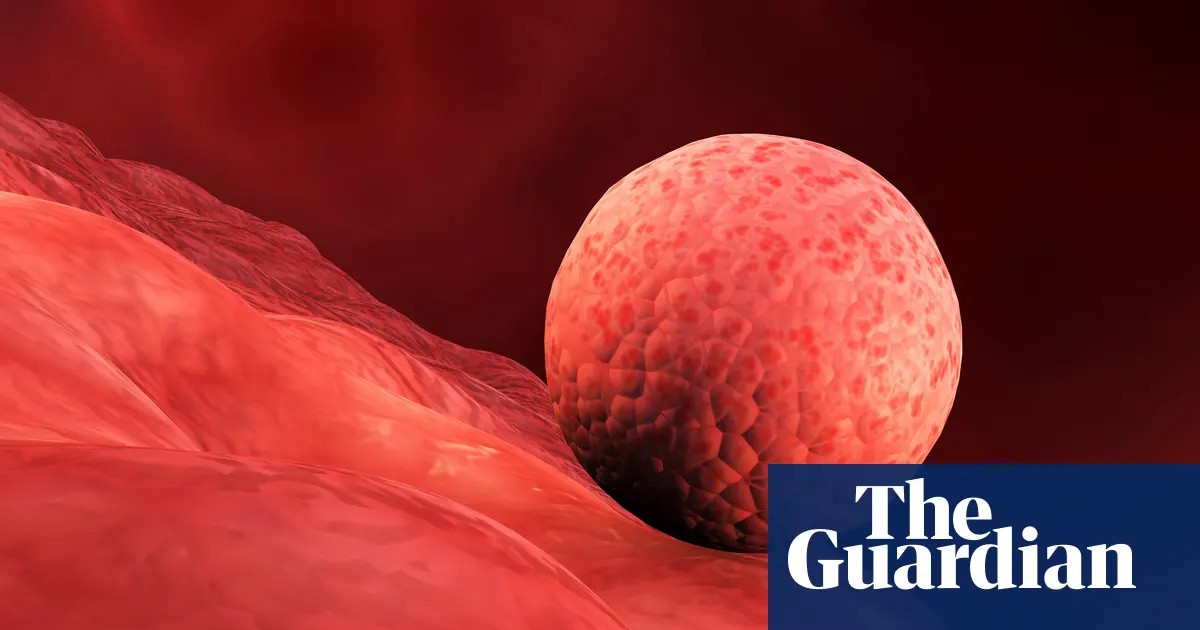
Researchers have successfully engineered a functional replica of the human womb lining in a laboratory setting, enabling unprecedented observation of the earliest stages of pregnancy. This breakthrough addresses a critical gap in reproductive science, where the implantation process – crucial for sustaining pregnancy – has remained largely mysterious due to its inaccessibility for direct study.
The Mystery of Implantation and Early Miscarriage
The implantation phase, occurring roughly a week after fertilization, is where the developing embryo attaches to and embeds within the uterine wall. This stage is a frequent point of failure: roughly half of all embryos do not successfully implant, and the underlying reasons remain unknown. Until now, our understanding relied heavily on outdated data from hysterectomy samples collected decades ago. The new engineered womb lining provides a controlled environment to study this process in real-time.
How the Replica Was Built
The research team, led by Dr. Peter Rugg-Gunn at the Babraham Institute in Cambridge, constructed the artificial womb lining using two key cell types harvested from healthy women: structural stromal cells and surface epithelial cells. These cells were embedded within a biodegradable hydrogel, mimicking the natural tissue environment.
Embryos Successfully Implanted and Developed
Early-stage human embryos, donated from IVF couples, were then introduced to the engineered lining. The results were striking: the embryos attached, implanted, and began producing vital pregnancy hormones, including human chorionic gonadotropin (hCG) – the marker detected by standard pregnancy tests. Researchers were able to observe embryonic development for up to 14 days post-fertilization, the legal limit for such research.
Decoding the Chemical Signals of Pregnancy
The engineered womb lining allowed scientists to “eavesdrop” on the molecular signals exchanged between the embryo and uterine tissue during implantation. These signals are essential for establishing and maintaining a healthy pregnancy. By blocking specific signals, researchers induced defects in placental tissue formation, demonstrating the system’s potential for testing interventions.
Implications for IVF and Pregnancy Complications
The ability to study early pregnancy in this manner could significantly improve IVF success rates, address recurrent implantation failure, and shed light on the causes of early miscarriages. The research also holds promise for understanding severe pregnancy complications that often originate during placental development. Parallel research in China has already identified potential drugs to enhance implantation rates in patients struggling with RIF.
“For over 40 years, assisted reproduction has struggled with stubbornly low implantation rates,” notes Professor John Aplin of the University of Manchester. “This work will allow treatments to be explored that seek to improve implantation efficiency.”
The engineered womb lining is not just a scientific achievement; it’s a tool that can revolutionize reproductive medicine, offering new pathways to address some of the most challenging issues in human pregnancy.