The United Kingdom is accelerating environmental testing for per- and polyfluoroalkyl substances (PFAS) – commonly known as “forever chemicals” – under a new national plan. This move comes amid growing scientific and public health concerns about the widespread presence and persistence of these compounds.
The PFAS Problem: Why It Matters
PFAS are a group of thousands of synthetic chemicals used in countless consumer and industrial products for their water and oil-repellent properties. They’re found in everything from non-stick cookware and firefighting foam to food packaging and waterproof clothing. The critical issue is their extreme durability: PFAS don’t break down easily in the environment or the human body, leading to bioaccumulation in wildlife and long-term exposure risks for people.
This is not merely an environmental issue; it’s a public health one. The World Health Organization (WHO) has classified two specific PFAS, PFOA and PFOS, as potentially carcinogenic, raising concerns about increased risks of kidney, thyroid, and testicular cancers.
Government Response: A Phased Approach
The UK government aims to align more closely with EU regulations by 2029, which seek to ban all non-essential PFAS uses. The new plan focuses on three key objectives:
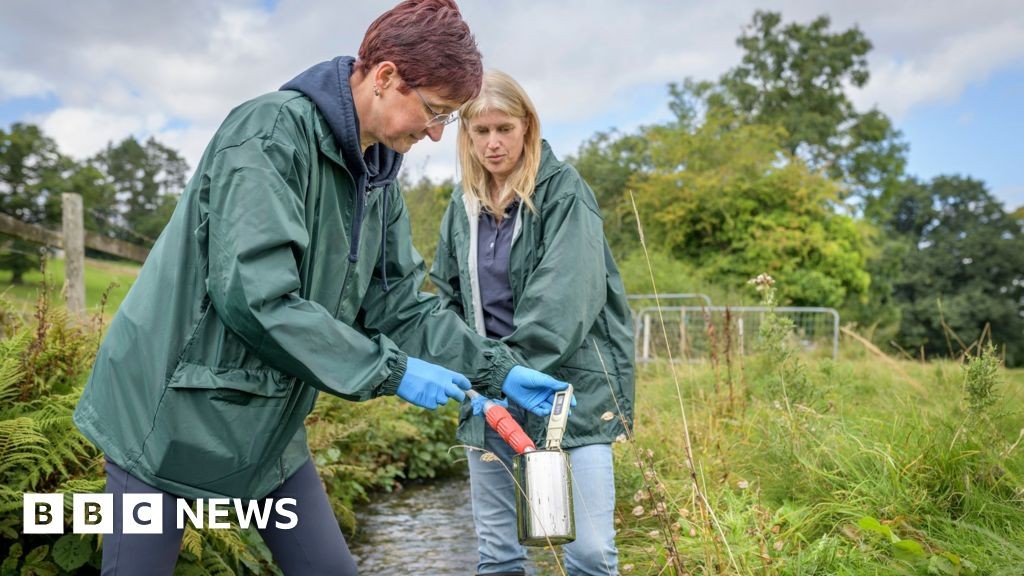
- Enhanced Monitoring: Water samples in Scotland and Wales will be tested at 50% higher rates. Soil and animal testing will also expand in England to identify PFAS hotspots.
- Usage Reduction: The government will explore ways to minimize PFAS use in everyday products, encouraging industries to seek alternatives.
- Alternative Development: Funding will be allocated to research and development of safer chemical substitutes.
Environment Minister Emma Hardy stated, “It’s crucial that we protect both public health and the environment for future generations. Through our PFAS Plan, we will act decisively to reduce their harmful effects while transitioning to safer alternatives.”
Industry and Environmental Groups React
The plan has received mixed reactions. While broadly welcomed as a step in the right direction, some environmental groups and water companies are pressing for faster action.
- Industry Concerns: The Chemicals Industries Association argues that immediate bans are impractical for some critical sectors, such as hydrogen production, where PFAS alternatives are scarce.
- Water Industry Burden: Water UK asserts that chemical manufacturers should bear the cost of cleanup, as current water treatment processes to remove PFAS are expensive.
- Environmental Advocacy: Chem Trust advocates for a “precautionary principle,” urging immediate regulation at the source rather than waiting for evidence of widespread harm.
The Challenge of Transition
Switching away from PFAS is not simple. Manufacturers like Equip Outdoor Technologies, which owns brands Rab and Lowe Alpine, face significant logistical hurdles and costs. Ensuring an entire supply chain is PFAS-free, including cleaning production lines, is a complex and expensive process.
The UK’s regulatory framework has also lagged behind the EU since Brexit, causing delays in implementing stricter controls. However, closer alignment with EU regulations by 2028 could accelerate future restrictions.
The Bigger Picture
PFAS are now ubiquitous, leaking into the environment through manufacturing, consumer use, and waste disposal. Their persistence, bioaccumulation, and toxicity make them a pressing chemical challenge. The long-term implications of widespread PFAS exposure are still unfolding, but the scientific consensus is clear: action is needed to mitigate risks.
The UK’s new plan is a starting point, but its success hinges on aggressive monitoring, industry collaboration, and a willingness to prioritize public health over short-term economic interests.