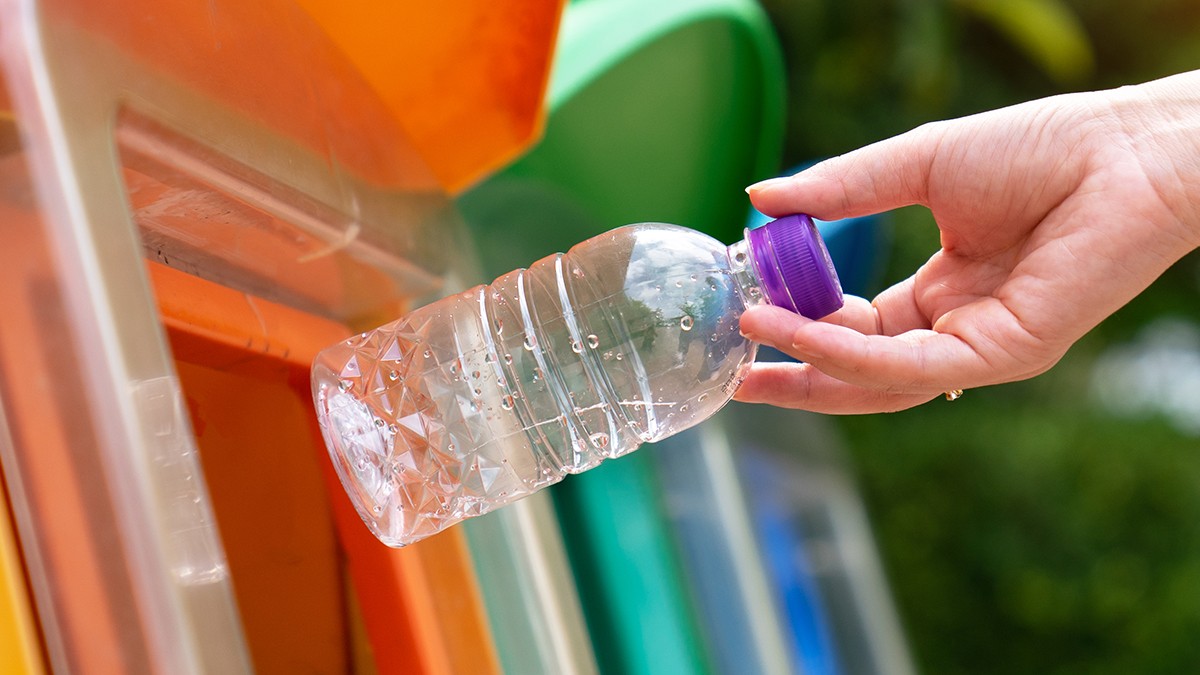
Scientists have developed a groundbreaking method to produce levodopa, a critical medication for Parkinson’s disease, from recycled plastic waste. The process utilizes engineered E. coli bacteria to convert polyethylene terephthalate (PET) – the plastic found in bottles and packaging – into the drug, offering a sustainable alternative to traditional, fossil fuel-dependent production methods.
The Problem with Production
Current levodopa manufacturing relies heavily on petrochemicals, making it an environmentally costly process. The sheer volume of plastic waste accumulating globally – roughly 100 million tons discarded annually – presents both an environmental crisis and a potential resource. While converting all levodopa production to this method wouldn’t eliminate the plastic waste problem, it demonstrates a viable pathway for reimagining waste as a valuable resource.
How It Works: From Plastic to Pill
The new method isn’t a simple one-step process. First, PET plastic must be broken down into its core components, including terephthalic acid (TPA). Researchers at the University of Edinburgh then engineered E. coli bacteria to absorb TPA and convert it into levodopa through a carefully constructed metabolic pathway involving two bacterial strains working sequentially.
“This feels like just the beginning. If we can create medicines for neurological disease from a waste plastic bottle, it’s exciting to imagine what else this technology could achieve.” – Stephen Wallace, biotechnologist at the University of Edinburgh.
Beyond Parkinson’s: A Broader Trend
This is not an isolated discovery. The same research team previously demonstrated the ability to engineer E. coli to produce paracetamol from PET plastic. This highlights a growing trend toward bio-based recycling, where waste materials are transformed into high-value products, reducing reliance on virgin resources.
Efforts are also underway to improve plastic biodegradability at the manufacturing stage, making disposal easier in the future. The ability to produce pharmaceuticals from waste materials represents a significant step toward a circular economy, where waste is minimized and resources are continuously reused.
Scaling Up and Future Implications
The current process remains a lab-based proof-of-concept. Scaling up for industrial production will require further research and optimization. However, the potential implications are substantial: reducing fossil fuel dependency in drug manufacturing, addressing plastic pollution, and unlocking new possibilities for sustainable chemical production. Funding for the study was provided by the Engineering and Physical Sciences Research Council (EPSRC) in the UK, underscoring the growing interest in engineering biology as a solution to global challenges.
This research demonstrates the power of biotechnology to address multiple environmental and health-related issues simultaneously, offering a glimpse into a future where waste materials are not liabilities but valuable resources.