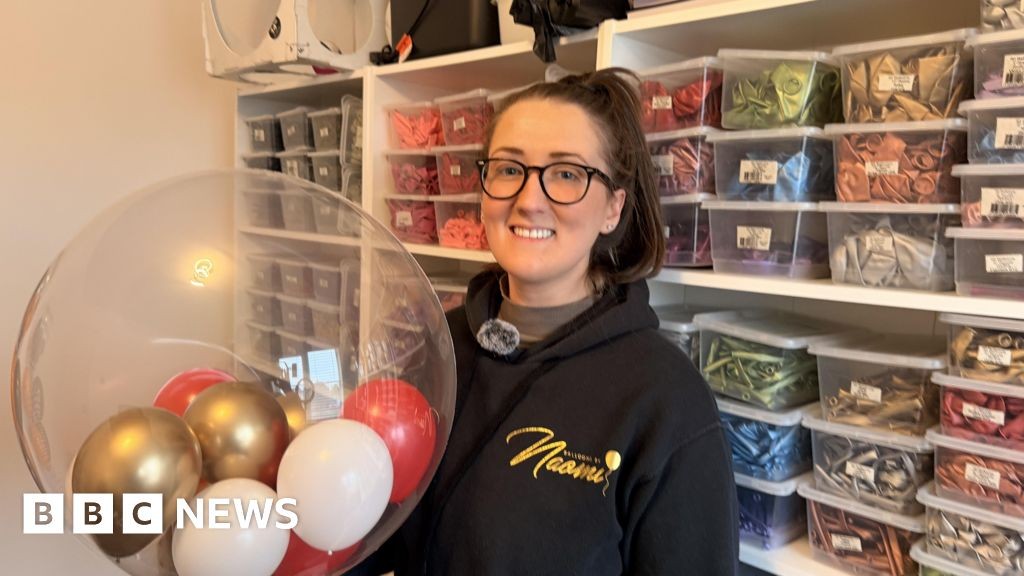
A Lincoln-based balloon seller is refusing to fulfill orders for releases, citing the severe environmental consequences and documented harm to wildlife. This decision highlights a growing movement across the UK to ban the practice, with over 100 local authorities already implementing restrictions.
The Environmental Cost of Celebration
Naomi Spittles, owner of a balloon business in Lincoln, recently declined a request for 200 balloons intended for a memorial release. “What goes up, must come down,” she stated bluntly, emphasizing the inescapable reality that released balloons become litter. This stance reflects a broader ethical concern within the industry.
The National Association of Balloon and Party Supplies (NABAS) acknowledges the problem, stating they “do not support the release of all balloons” and that it creates “unwanted and sometimes dangerous litter.” While not yet illegal nationwide, the practice is under increasing scrutiny.
Wildlife at Risk: Documented Harm
The impact on wildlife is well-documented. Kirsty Salisbury, manager of East Riding Coastal Services, regularly finds balloon debris on Bridlington beach, including instances of animals entangled in the strings. Tragically, she has discovered dead puffins caught in balloon litter.
Puffins, already a declining species, are particularly vulnerable. The Marine Conservation Society (MCS) reports a steady rise in balloon litter on UK beaches since the 1990s, peaking at 69% of surveyed sites in 2018, though it has since declined to 44% in 2024. This means nearly half of beach cleanups still find balloon debris.
The Slow, Deadly Impact on Animals
The RSPCA warns that even so-called “degradable” balloons pose a threat. They take months to break down, during which time animals mistake fragments for food, leading to starvation or suffocation. The attached strings can strangle wildlife, including birds, mammals, and marine life.
“Even balloons that are classified as degradable are unsafe, as they can take months to break down so still pose a risk.” — Evie Button, RSPCA Senior Scientific and Policy Officer
Local Bans and Future Outlook
Currently, bans typically apply to land owned by local councils and highways, but not to private property or air-filled latex balloons. However, the growing awareness among businesses like Spittles’ and the increasing number of local restrictions suggest a push for a nationwide ban is likely. The issue raises questions about balancing tradition with environmental responsibility. The long-term impact of balloon releases on ecosystems is undeniable, making continued debate on this matter essential.