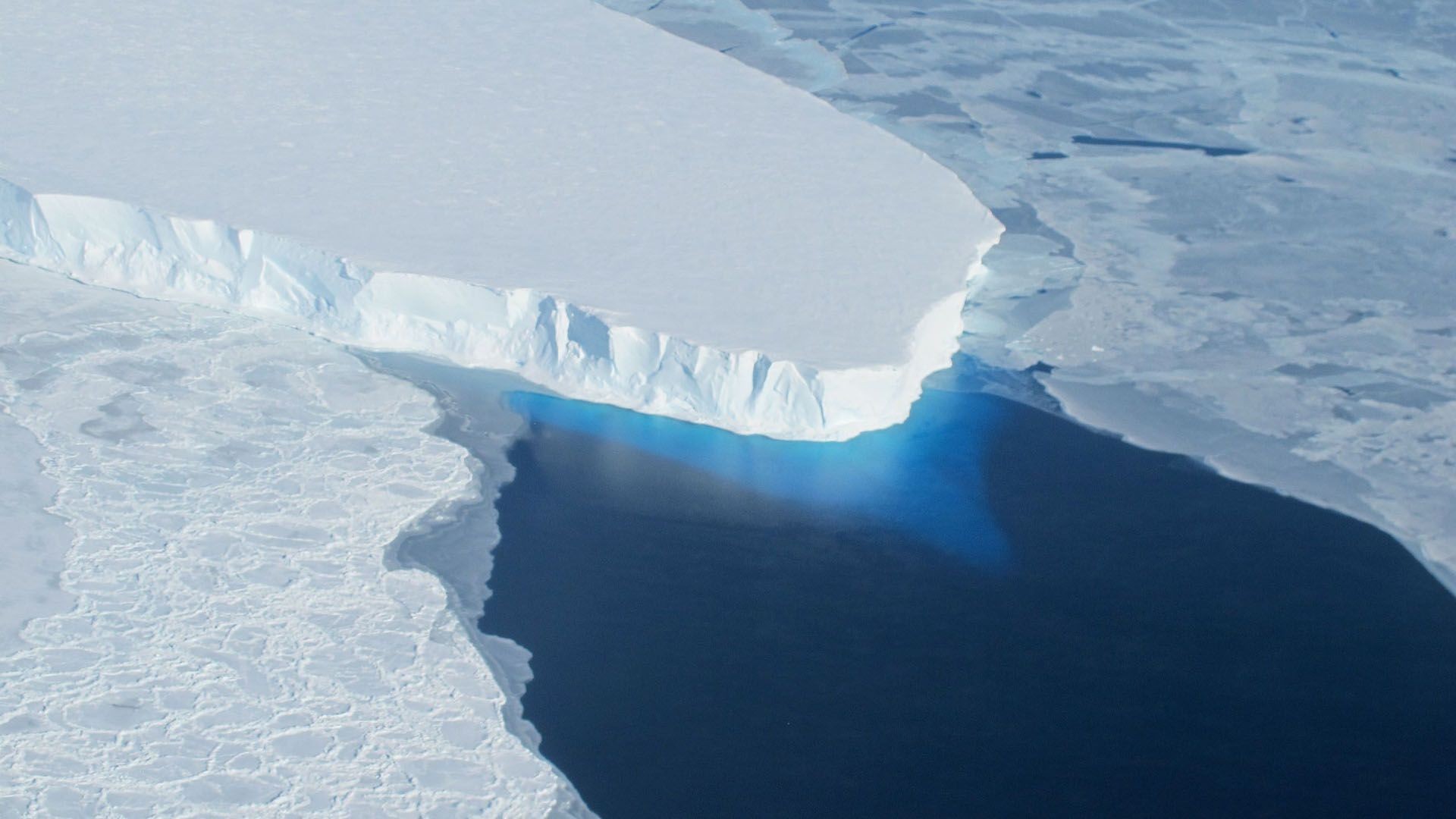
Antarctica has lost nearly 5,000 square miles (12,950 square kilometers) of grounded ice over the past three decades, with the most significant losses concentrated along vulnerable coastlines. This equates to an area roughly twice the size of Delaware, and underscores a worrying trend of ice-sheet instability linked to rising ocean temperatures.
Tracking the Retreat
The study, led by scientists at the University of California, Irvine, meticulously mapped changes in Antarctica’s “grounding line”—the critical boundary where ice transitions from resting on bedrock to floating on the ocean. This line’s retreat is a key indicator of accelerating ice loss and subsequent sea-level rise. The research analyzed 30 years of satellite data (1992–2025) from multiple international space agencies, using radar instruments to precisely track shifts in this boundary.
The grounding line matters because it determines how quickly land-based ice enters the ocean. When this line retreats, more ice slides off the land and contributes directly to rising sea levels.
Regional Variations in Ice Stability
While approximately 77% of Antarctica’s coastline has remained stable since 1996, substantial retreat has occurred in West Antarctica, the Antarctic Peninsula, and parts of East Antarctica. The most dramatic changes were observed along the Amundsen Sea coast and in the Getz sector, where the grounding line has receded by up to 26 miles (42 km) in some locations.
Warm ocean water is the primary driver of this retreat. Deep underwater channels funnel warmer currents toward the base of glaciers, melting the ice from below and weakening the ice shelves that act as natural barriers. This process accelerates the flow of land-based ice into the sea.
Anomalies and Uncertainties
The study also identified a puzzling pattern along the northeast Antarctic Peninsula. Some ice shelves have collapsed, and glaciers have retreated significantly, but the cause remains unclear. Researchers have not yet confirmed warm ocean water as the primary driver in this region, suggesting other factors may be at play.
“Something else is acting — it’s still a question mark,” says lead author Eric Rignot.
Implications for Future Projections
This comprehensive 30-year record provides critical real-world data for validating computer models used to project future sea-level rise. Models must accurately replicate observed changes to be considered reliable.
The findings suggest that while much of Antarctica remains relatively stable, this balance may not last. The current rate of ice loss is alarming, and could accelerate further if warming trends continue unchecked.
The stability of Antarctica is not guaranteed, and the potential for more rapid ice loss remains a significant threat.