Readers fall into two buckets. You either want a watch replacement. Or you own a Ring 4 and are wondering if the hype justifies the cost. For newbies? It is a solid tracker. The best in the class, really. But if you sweat fitness metrics for hours a day, look elsewhere. For upgraders? Stay put. You don’t need this.
Why? The Ring 4 dropped less than two years ago. My ceramic variant came out a year later. Both were massive jumps over the Gen 3 in software and sensors. The Ring 5? It is mostly aesthetic. Think smaller. Think lighter. Sensors remain identical. Battery life stays roughly the same. None of the cool software tricks are locked behind a Ring 5 paywall. The engineering feat here is shrinking it. As a consumer upgrade? Not worth the extra $399. Especially when you consider the monthly sub fee on top of that.
The smaller design is an engineering feat.
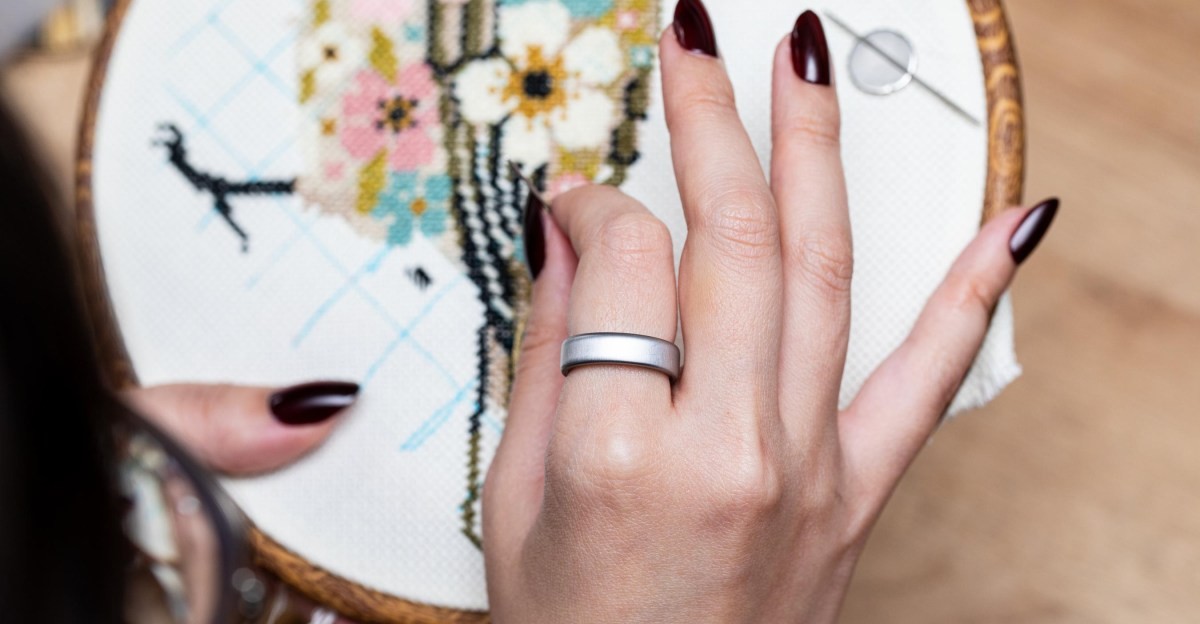
Unless your current ring digs into your knuckles, you won’t feel much difference. My Ring 5 survived better than my old non-ceramic 4, sure. Still picked up nicks in six weeks. I am hard on rings though. If you treat yours like jewelry? Maybe it holds up longer. Got cash to burn? Check your FSA. The app lets you pair multiple rings now. Keep your old one as a spare. It avoids e-waste while satisfying your urge to spend.
Sizing hurts though. Sizes 4, 5. 14. 15. They don’t exist yet. Oura says demand dictates the rollout. Their Gen 4 range is new so they are being cautious. This feels exclusionary. It also proves how similar the 4 and 5 really are functionally. Either that. Or the engineering for tiny sizes was too tough to justify the cost yet. And where is the ceramic? Still no option for the Ring 5. A miss.
Fingers swell. Weight shifts. Sizes change. Try the kit before buying. My weight dropped recently. A size 9 fits the 5 perfectly. That same 9 in the Ring 4 hangs loose. Sizing matters more than you think.
Then there is the charger. A $99 accessory. Sold separately. Cases are smarter than docks anyway. My cat respects no dock. He knocks them off the nightstand with casual indifference. The case survives. But you cannot reuse your old case. The generations are incompatible. It is annoying. You bought a charger once. You must buy it again.
Hardware complaints aside. Oura bundles new rings with software updates. This time around they dropped a lot:
- GLP-1 Insights : tracking meds.
- Health Radar : bundling symptoms with breathing and blood pressure.
- Medical lab imports.
- Data deletion tools.
- Better activity tracking.
- An AI chatbot connecting you to a real doctor.
None of this is exclusive to the 5. Most is optional. But it clutters the app. I have tracked with Oura since 2019. Back then? Three scores. Activity. Readiness. Sleep. Simple. Clean. Now the app verges on chaos. Nighttime breathing insights? They show you patterns over 30 days. Factors in weight. Age. Sleep regularity. It sounds useful in theory. In practice? Finding that data feels like archaeology. It is buried deep in screens.
Health Radar sits quietly. It surfaces insights only when necessary. I have been healthy for weeks. No surprises for it to detect. I can’t judge the accuracy yet.
For me, GLP-1 insights won out. Reminders to dose. Tracking injection sites. Tagging symptoms for AI context. But it demands daily logging. Seven months in, that friction drops off. Also the AI isn’t omniscient. It gave me no advice for popping ears. Not a direct side effect sure. But a common complaint. The tool feels rigid.
AI chatbots in fitness apps make me skeptical. Always have. At least connecting to a real doc via Counsel Health is easier now. Included in the sub? The bot is. The actual consultation costs extra. It works for quick checks. Dr. Google is worse. For real health issues? Find a physician you trust. An app bot won’t replace them.
“Less is more” used to be the motto. The ring offered simplicity. Zero notifications. Basic metrics. A streamlined approach to health. Now features pile on. They are optional technically. But the clutter isn’t. I get the need to add value. I just doubt the need is here. People chose rings to escape the maximalist watch. I feel overwhelmed by data from the device I chose for calm. Is that the point now?
Agreeing to continue requires patience. Smart devices demand contracts. Nobody reads them. We count them though. Here is the tally for the Oura Ring 5.
Phone permissions. Always first. Then the mandatory agreements. Three specific Oura policies you must accept. After that comes the optional stack.
Apple Health or Google Fit integration adds their terms. Importing workouts pulls in other app agreements. Natural Cycles birth control adds its own layer. Medical labs add another. The Counsel AI adds one too. Research studies add consent.
Total count varies by your phone setup. You get three mandatory policies from Oura. Then four plus optional layers. If you touch every feature. It adds up quickly. Do you care about the legalities of your sleep tracking? Probably not. But they are there. Waiting.