


Most people assume that when the snow falls and food vanishes, the only logical move is to sleep through it. Hibernation is the biological cheat code for survival. It allows mammals to slash their metabolic rate, drop their core body temperature, and wait out the worst months without eating, drinking, or going to the bathroom. It is a masterclass in energy conservation.
But nature doesn’t do one-size-fits-all. The term “hibernation” is often used as a blanket category, yet it covers a spectrum of survival strategies. Reptiles and amphibians don’t truly hibernate; they enter brumation, a state where their metabolism slows but they remain alert enough to drink if they have to. Smaller mammals, like bats or hummingbirds, dip into torpor, a short-term shutdown that can last just hours or days, rather than months.
Then there are the big ones. The mammals that most people think of when they hear the word animals that hibernate usually fall into this heavy, long-duration category. They aren’t just taking a nap. They are fundamentally altering their physiology to endure months of starvation and cold.
Bears: The Misunderstood Hibernators
Let’s start with the bear. It is the poster child for winter sleep, but calling a bear’s winter state “true hibernation” is scientifically messy.
When a black bear or grizzly enters its den, it isn’t in a coma. Its heart rate drops from about 55 beats per minute to just 8 or 9. Its body temperature falls, but only slightly, staying around 30–35°C (86–95°F). That’s warm enough that if you woke them up, they could fight you.
True hibernators, like ground squirrels, let their body temperature plummet to near freezing. Bears don’t. They conserve heat through thick fur and a massive layer of fat. This distinction matters because it changes how their bodies handle waste.
Most hibernating mammals produce urea, a toxic byproduct of protein breakdown that they must excrete. Bears solve this by recycling their urea back into protein. They don’t pee or poop for months. Their kidneys are so efficient that they reabsorb the nitrogen to keep their muscles from wasting away.
Bears recycle their own waste products into protein, preventing muscle atrophy during months of inactivity.
This isn’t just sleep. It’s a physiological reset button. When a female bear gives birth in the den, she doesn’t eat or drink. She relies entirely on her fat reserves to produce milk for her cubs. The cubs are born blind and tiny, yet they grow rapidly on that milk. The mother’s body is running on pure stored energy, maintaining a temperature high enough for her offspring to survive while keeping her own metabolic cost low.
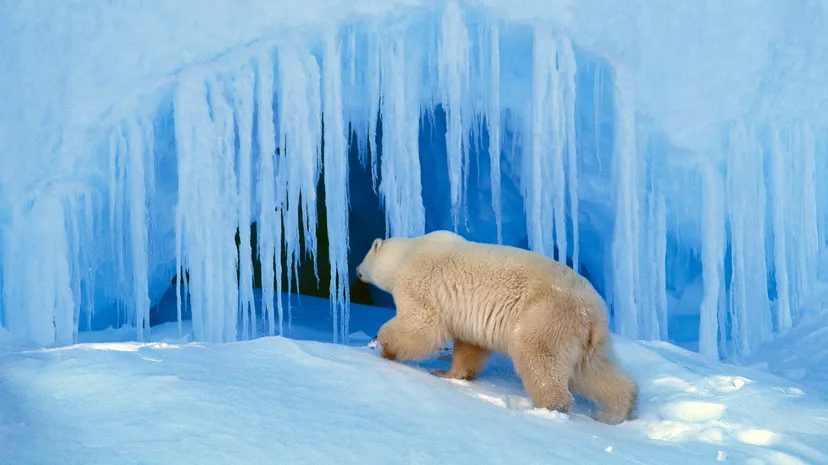
Not all bears hibernate the same way. Polar bears, for example, only pregnant females truly “hibernate.” Males and non-pregnant females wander the ice, hunting seals, even in the dead of winter. They are active. They are hunting. They are not sleeping.
The confusion around animals that hibernate often stems from this variability. We see a bear in a den and assume it’s out cold. But it’s more accurate to say it’s in a
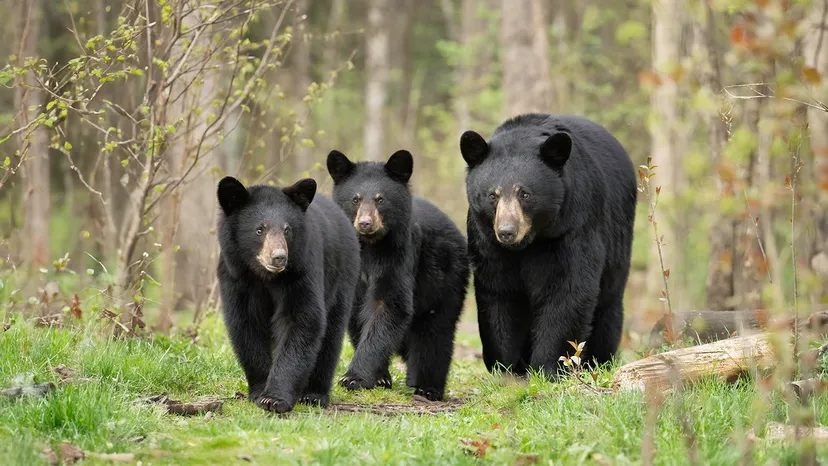

Most people associate hibernation with a deep, comatose sleep. Bears fit this stereotype only loosely. They retreat into dens for months, dropping their metabolic rates significantly to survive the food scarcity of winter. But they are not truly asleep in the way we think of it. If you disturb a bear during this period, it can wake up relatively quickly. This physiological flexibility is rare. It allows them to protect their young. In fact, females often give birth while in this state of torpor, a biological feat that defies standard expectations of energy conservation.
2. Arctic Ground Squirrels
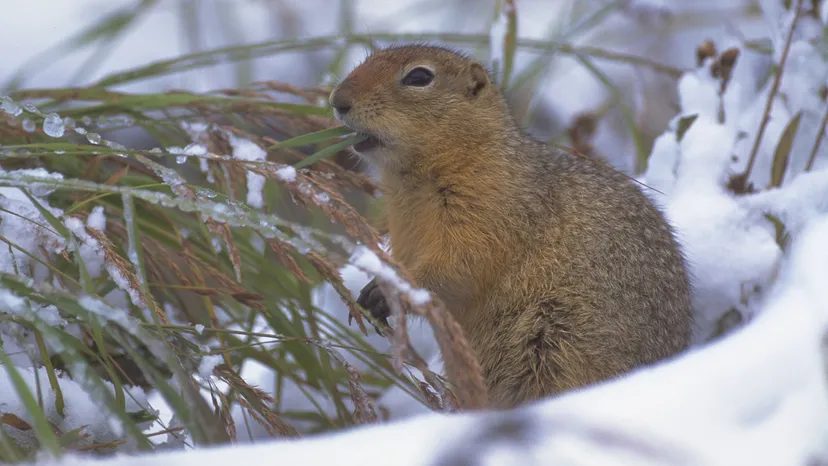
If bears are the cautious hibernators, the Arctic ground squirrel is the extreme athlete of winter survival. These rodents do not just lower their body temperature; they flirt with death. While most mammals maintain a core temperature above freezing to keep organs functioning, these squirrels allow their bodies to freeze solid.
How do they survive being frozen?
The process is terrifyingly precise. As winter sets in, the squirrel’s body temperature plummets. It does not stop at a few degrees below zero. It drops to minus 2.9 degrees Celsius (26.8 degrees Fahrenheit). At this point, ice crystals form in their tissues. Blood stops flowing. The heart stops beating. To an outside observer, the animal is dead.
But it is not.
They possess a unique biochemical shield. High concentrations of glucose and specialized proteins act as antifreeze agents within their cells. This prevents the ice from rupturing cell membranes. When spring arrives, or if disturbed, the process reverses. The ice melts. The heart restarts. The blood begins to circulate again. They thaw out and walk away.
This ability to survive total metabolic shutdown is what makes the Arctic ground squirrel hibernation unique among mammals. Other hibernators, like bears or bats, stay above freezing. Their organs continue to work at a slow pace. The ground squirrel’s organs literally shut down.
Why does this matter?
Understanding this mechanism offers clues for human medicine. If we can replicate the cellular protection these squirrels use, we might improve organ transplants. Imagine transporting a heart for weeks instead of hours. Or preserving tissues for longer periods without decay. The squirrel solves a problem that has plagued surgeons for decades.
The trade-off is steep. The energy cost of thawing is high. They emerge in the spring weak and hungry. But the alternative is starvation in the Arctic winter. They choose death-by-freeze over death-by-hunger. And they win.
3. Big Brown Bats
There’s a reason the big brown bat (Eptesicus fuscus ) gets the spotlight in winter survival guides. While most hibernators just curl up and shiver, these mammals pull off a physiological trick that borders on the impossible. They don’t just drop their body temperature; they let it fall below the freezing point of water.
Most animals would turn into popsicles if they hit that mark. Ice crystals form in the tissue. Cells burst. Life ends. But the big brown bat avoids this fate entirely. Its body temperature can plunge to nearly -2°C (28°F) without the animal suffering the catastrophic damage that usually accompanies freezing.
How does it work? It comes down to a chemical defense system. The bat’s blood contains high concentrations of glucose and special antifreeze proteins. These substances lower the freezing point of the bodily fluids, effectively turning the bat’s internal environment into a supercooled liquid rather than solid ice. It’s a delicate balance. Too cold, and the proteins fail. Too warm, and the energy reserves burn out too quickly.
This ability matters because it allows the bat to hibernate in colder, more exposed locations. While other species need insulated hibernacula to stay above freezing, big browns can roost in tree cavities or even under loose bark where temperatures fluctuate wildly. They trade the safety of a stable microclimate for the ability to survive the extremes. It’s an evolutionary gamble that pays off when food is scarce and the cold is brutal.
Not all bats do this. The little brown bat, for instance, must stay above freezing and dies if its body temperature drops too low. The big brown bat’s tolerance is an anomaly in the mammalian world. It raises questions about how climate change might shift hibernation zones. If winters become less predictable, will this superpower still be an advantage, or will it become a liability?
For now, the big brown bat remains the king of low-temperature hibernation. It sits on a branch, frozen-looking but alive, waiting for spring in a way no other mammal dares to.
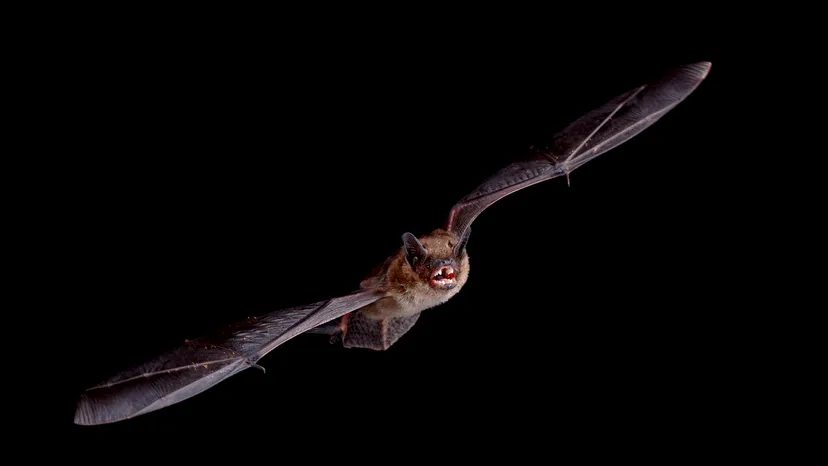
Big brown bats aren’t the only ones playing dead when winter hits. They hibernate in caves, attics, and hollowed-out tree cavities, dropping their heart rates to a sluggish few beats per minute. They burn through stored fat reserves like a slow-burning candle to survive the cold months. But if you think they have the edge on metabolic trickery, think again.
4. Wood Frogs
The wood frog (Lithobates sylvaticus ) doesn’t just slow down. It stops. Completely.
These amphibians live across Alaska, Canada, and the northern United States. Their habitat is brutal. Temperatures plunge well below freezing. Ice forms in the soil. For most animals, this is a death sentence. For the wood frog, it’s a Tuesday.
The secret isn’t hibernation in the traditional sense. It’s cryopreservation. The frog allows its body fluids to freeze solid. Its heart stops beating. Blood flow ceases. Brain activity halts. To the naked eye, it is dead.
How does a frog avoid turning into a popsicle with shattered cell walls? It floods its system with glucose.
Before the first hard frost, the frog’s liver produces massive amounts of sugar. This glucose acts as a natural antifreeze. It concentrates in the cells, preventing ice crystals from forming inside and rupturing the delicate membranes. Ice forms only in the spaces between cells—outside the tissue. The cells themselves remain intact, suspended in a sugary slurry.
This process is not without risk. If the freeze lasts too long, or if the temperature drops too low, the sugar levels aren’t enough. The ice invades the cells. The frog dies. But within a specific thermal window, this mechanism works with eerie precision.
When spring arrives and the sun warms the ground, the thaw is just as rapid as the freeze. The ice melts. The heart restarts. Within minutes, the frog is hopping.
“The wood frog survives freezing temperatures by producing high concentrations of glucose that protect its cells from ice damage.”
This isn’t magic. It’s biochemistry operating on the razor’s edge of survival. Scientists study this mechanism to understand organ preservation for human transplants. If we can replicate the frog’s natural antifreeze, we could keep hearts and lungs viable for transport across vast distances. The stakes are high. The application is immediate.
Not all frogs can do this. The gray treefrog comes close, but it lacks the same level of glucose production. The wood frog remains the champion of the frozen north. It doesn’t seek shelter. It doesn’t burrow deep. It sits on the leaf litter, turns to ice, and waits.
Why does this matter beyond the novelty? Because life, as we know it, is fragile. The wood frog proves that fragility is a choice, not a law. It offers a blueprint for resilience in the face of environmental extremes. As climate patterns shift, with more erratic freezes and thaws, understanding these limits becomes less of an academic exercise and more of a survival manual.
The frog doesn’t care about our struggles. It just freezes, waits, and wakes up. Simple. Effective. Brutal.
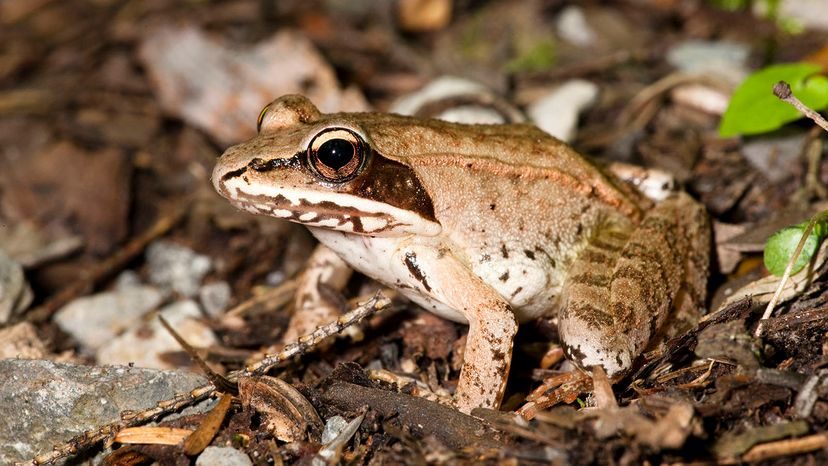
Think about the idea of your heart stopping. It sounds like a death sentence. For the wood frog (Rana sylvatica ), it’s a Tuesday.
As temperatures plummet, these little amphibians don’t just hibernate. They undergo a biological miracle that borders on the impossible. Their bodies freeze solid. Literally. Ice crystals form in their tissues, their hearts cease beating, and their blood flow halts. They are, for all intents and purposes, dead.
But they aren’t.
The secret lies in a high-concentration flood of glucose. As the frog freezes, its liver pumps sugar into the bloodstream at an alarming rate. This glucose acts as a biological antifreeze, protecting cells from the catastrophic damage that usually accompanies ice formation. It doesn’t prevent freezing entirely—because the water outside the cells does freeze—but it stops the ice from expanding inside the delicate cellular structures. The frog becomes a living popsicle.
They survive on this sugar reserve until spring arrives, the ice melts, and their hearts kick back into rhythm. It’s not magic. It’s extreme metabolic engineering.
Why Cold-Blooded Animals Need Brumation
While the wood frog takes the dramatic approach, other reptiles opt for a slower, steadier survival strategy known as brumation.
It’s easy to confuse brumation with hibernation, but the distinction matters. Hibernation is primarily for warm-blooded animals (endotherms) that need to conserve energy when they can’t generate enough heat to stay active. Brumation is the reptilian equivalent. Since turtles, snakes, and lizards are ectotherms—cold-blooded—they rely on their environment to regulate their body temperature.
When the mercury drops, their metabolism slows to a crawl. They don’t dream. They don’t eat. They barely move. But unlike hibernating mammals, brumating reptiles have a quirk: they wake up occasionally.
Not to eat. Not to mate. But to drink.
Their bodies may be shut down, but they still lose moisture. A turtle in brumation might surface from the mud at the bottom of a pond just long enough to take a sip of water before sinking back into its torpor. It’s a low-energy maintenance mode, allowing them to ride out the winter without the caloric cost of maintaining a constant body temperature.
Turtles: The Under-Ice Survivors
Turtles are among the most fascinating brumators, particularly those that live in freshwater environments in colder climates.
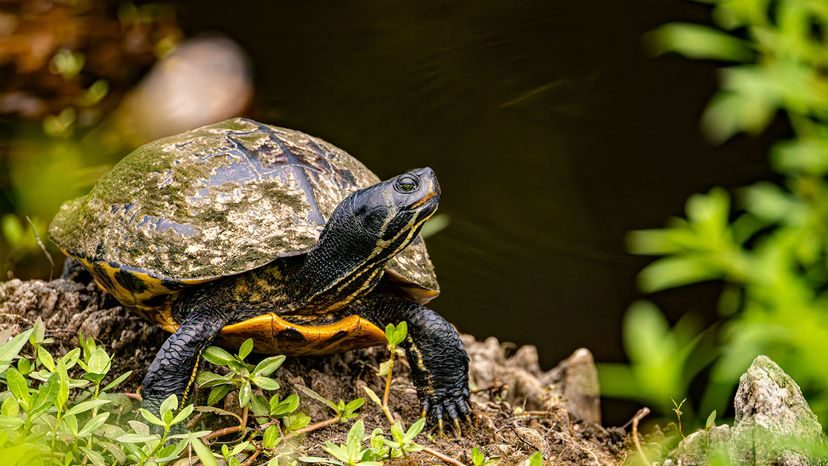
Take the painted turtle (Chrysemys picta ). It’s one of the most cold-tolerant vertebrates on the planet. When winter sets in, these turtles swim to the bottom of ponds and lakes, burying themselves in the soft, oxygen-poor mud.
Here’s the problem: ice covers the surface. Oxygen can’t diffuse from the air into the water. Eventually, the water becomes hypoxic—devoid of oxygen. Most animals would suffocate. The painted turtle doesn’t.
It switches to anaerobic metabolism. It breaks down glucose without oxygen, producing lactate as a byproduct. Normally, lactate buildup leads to dangerous acidosis. But the turtle’s shell acts as a buffer. Calcium carbonate from the shell neutralizes the
The Anaerobic Switch
While most reptiles simply shut down when the mercury drops, aquatic turtles perform a biological trick that borders on alchemy. They don’t just hibernate. They brumate. This isn’t a standard sleep state where the body conserves energy in the usual way. It is a physiological shutdown so profound that their hearts can stop beating for hours at a time.
The secret lies in where they go. They burrow deep into the muck at the bottom of ponds and lakes. This mud layer acts as an insulator, keeping the water above freezing, even if the surface is solid ice. But it’s not just about warmth. It’s about chemistry.
Most animals would die without breathing. Turtles have a different plan. They can absorb small amounts of oxygen directly through their skin. This is enough to keep their metabolic engines from completely stalling, but not enough to sustain normal aerobic function for months. So, they switch gears. They turn to anaerobic metabolism.
This process is messy. It breaks down glucose without oxygen, producing lactic acid as a byproduct. In a human, this buildup would cause muscle failure and pain. In a wintering turtle, it triggers a cascade of protective adaptations. The turtle’s blood pH drops significantly. Instead of crashing their system, their bodies adjust. Cell membranes become more flexible. Enzymes that usually slow down in the cold remain active.
But there is a limit. Anaerobic respiration is inefficient. It doesn’t produce much energy. Without a way to handle the acid waste, the turtle would essentially poison itself. This is where the shell comes in, quite literally.
The Shell as a Battery
The turtle’s shell is not just armor. It is a mineral buffer. It is rich in calcium carbonate. As lactic acid builds up in the blood and tissues, the shell releases calcium. This calcium binds with the acid, neutralizing it and forming calcium lactate.
Think of the shell as a chemical sponge. It soaks up the toxic byproducts of the turtle’s winter survival. This allows the turtle to remain in a state of suspended animation for months, sometimes over half a year, without surfacing for air.
Which species do this best? The painted turtle (Chrysemys picta ) is the champion. They can tolerate much higher levels of lactate than other reptiles. Some species, like the snapping turtle, can survive being frozen solid for short periods. The painted turtle, however, survives by avoiding freezing altogether. It stays in the liquid mud below the ice, relying on that skin breathing and the shell’s buffering capacity.
Why does this matter? It’s not just a party trick for reptile enthusiasts. Understanding how turtles handle hypoxia and acidosis offers clues for human medicine. Researchers look at these mechanisms for potential breakthroughs in organ preservation for transplants. If we can learn how to stop cells from dying without oxygen, we could save lives in trauma cases.
But for now, the turtle just waits. Under the ice, in the dark, quiet mud. Its heart slows to a few beats per minute. Its metabolism drops to a fraction of its summer self. It is neither asleep nor awake. It is simply enduring.
What Happens When the Ice Melts?
Eventually,
3. Alligators
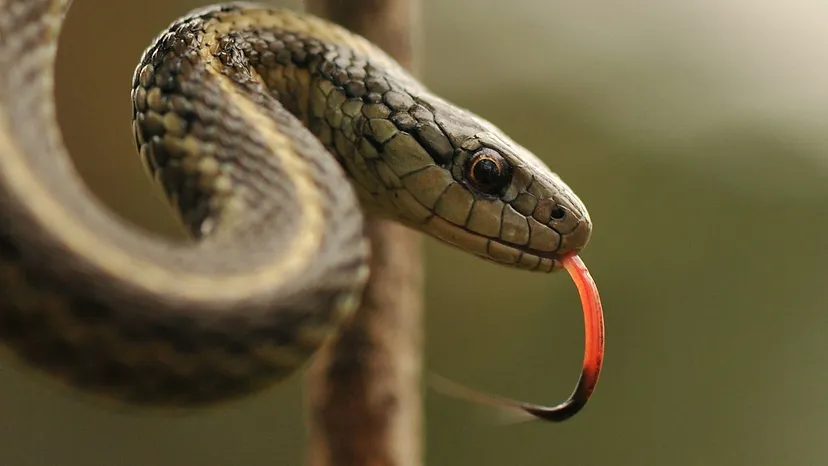
The gator’s strategy is less about huddling and more about hiding in plain sight. They don’t brumate in a den. They dig a hole.
It’s called a gator hole. And it’s a masterpiece of survival engineering.
When the water level drops or the temperature plummets, the alligator retreats into these excavations. They aren’t just pits. They are deep, insulated burrows carved into the substrate. The mud walls hold heat better than the open water above. The air trapped inside stays relatively stable.
This isn’t passive waiting. It’s active conservation.
Metabolic rate slows. Heart rate drops. The animal essentially shuts down non-essential functions. They can go weeks, sometimes months, without eating. They rely entirely on stored fat reserves.
Why does this matter to you?
Because those gator holes change the landscape.
They create micro-ecosystems. When the dry season hits and other water sources vanish, these holes remain. Fish survive in them. Birds come to drink. Small mammals drink from them. The alligator, by surviving, accidentally saves its entire neighborhood.
Without the gator hole, the local food web collapses during droughts. It’s a ripple effect.
The alligator doesn’t care about the other species. It’s digging for itself. But the result is infrastructure for the rest of the swamp.
Think about that. The creature you fear most is the one keeping the water table alive.
They stay buried. Motionless. Eyes open under the mud. Waiting for the rains.
When the water returns, they climb out. Hungry. Restored. Ready to take over again.
Is it fear? Or is it respect?
Probably both.
The Cold-Blooded Survivors of Winter
While reptiles don’t hibernate in the mammalian sense, many enter a state of torpor to ride out the cold. This physiological pause slows their metabolism to a crawl, conserving energy when food is scarce and temperatures drop. It’s not quite sleep. It’s survival on autopilot.
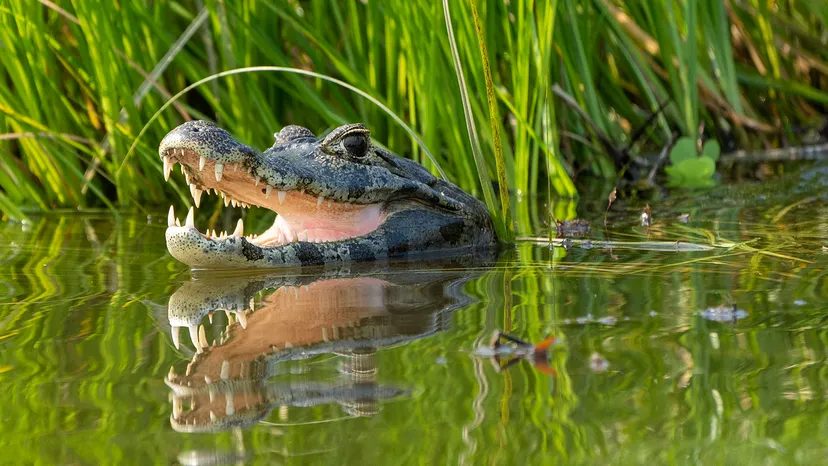
Take alligators, for instance. They don’t dig dens or find cozy burrows. Instead, they burrow into the mud at the bottom of a pond or lake. As the surface freezes, they settle into the muck. Their bodies slow down. Heart rate drops. Oxygen demand plummets. They can withstand freezing air temperatures because they have a trick: they stick their snouts through a small hole in the ice. That’s their only connection to the outside world. A breathing tube in a frozen tomb.
This behavior is how alligators survive harsh winters in places like the southern United States. They remain dormant until spring thaws the water. Then, they emerge, hungry and ready to hunt. It’s a brutal but effective strategy. No fat reserves needed. Just patience and a bit of mud.
4. Lizards
Lizards face a similar challenge. Species like the iguana or the bearded dragon can’t handle frost. In warmer climates, they might stay active, but in colder regions, they seek shelter. Some burrow underground. Others hide in rock crevices or under logs. The goal is the same: avoid the cold and conserve energy.
Not all lizards brumate, however. Tropical species remain active year-round. But for those in temperate zones, brumation is essential. It allows them to live where winters are long and unforgiving. Without it, they simply wouldn’t survive the season.
The process is slow. They eat heavily before winter, building up reserves. Then, as days shorten and temperatures fall, they become less active. Eventually, they stop eating altogether. Their digestion halts. They wait.
It’s a quiet existence. No movement. No sound. Just the slow tick of time. When spring arrives, they reawaken. Often, they’re lighter, weaker. But alive. And that’s enough.
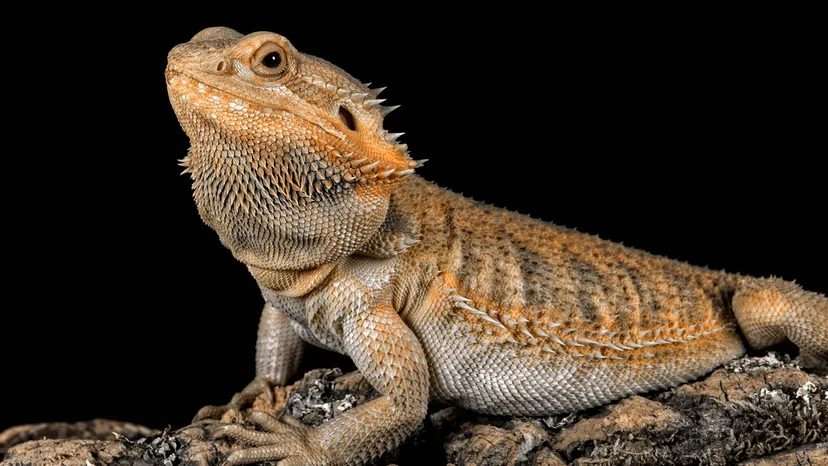
Bearded dragons and other lizards aren’t the only ones hitting the pause button when the temperature drops. Some animals take dormancy to a much more extreme, nightly extreme. This is where torpor comes in.
Torpor is a short-term state of reduced metabolic activity. It usually lasts for a day or a week. It helps creatures survive brief spells of cold weather or when food is hard to find. It’s not the same as hibernation. Hibernation is a long, deep sleep. Torpor is a quick reset button. Animals in torpor can snap back to full alertness in hours if conditions change. They save energy by lowering their body temperature and heart rate.
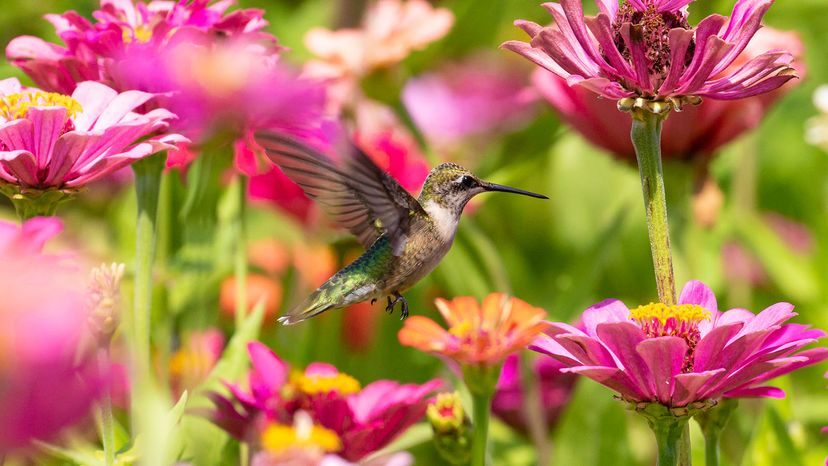
1. Hummingbirds
You might think hummingbirds are always buzzing with energy. They burn calories faster than almost any other warm-blooded animal. A single hummingbird can eat half its body weight in nectar every day. If they don’t eat, they starve. Fast.
But there’s a problem. Nights are long. Flowers don’t produce nectar in the dark. And hummingbirds have tiny bodies. They lose heat incredibly fast. If a hummingbird tried to stay warm through the night without sleeping, it would burn through its fat reserves and die before sunrise.
So they enter torpor.
Every single night, a hummingbird will find a safe perch. Usually a branch, sometimes a leaf. They tuck their head back. They slow their breathing. Their heart rate, which can be over 1,200 beats per minute during the day, drops to fewer than 50 beats per minute. Their body temperature falls to match the ambient air temperature. Sometimes it drops below freezing, yet they don’t die. Their tissues have special adaptations to prevent ice crystal formation.
This isn’t just a nap. It’s a survival mechanism. By dropping their metabolism by up to 95%, they conserve energy. They essentially turn into a stone for several hours.
The trade-off is vulnerability. While in torpor, they can’t fly away from predators. They can’t react quickly. They rely on hidden, secure roosting spots to stay safe.
When dawn breaks, they can’t just wake up. They need to warm up. They shiver. They generate heat from their flight muscles. This process takes time. Sometimes 30 to 60 minutes. They are helpless during this warm-up phase. This is why finding a safe night roost is more critical for them than almost anything else.
One night of extreme cold, or a lack of safe shelter, can wipe out a local population. It’s a delicate balance. Their survival hinges on these tiny, nightly suspensions of life.
2. Little Brown Bats
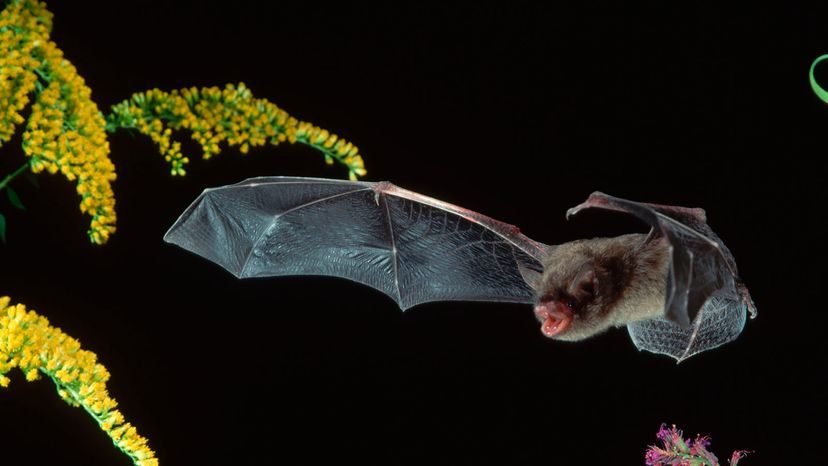
The Little Brown Bat (Myotis lucifugus ) faces a different kind of energy crisis. While hummingbirds tackle the problem overnight, these bats deal with the seasonal disappearance of food. In the winter, insects are scarce or gone entirely. The bats cannot simply stay awake and hunt; they must survive on stored reserves.
The solution is hibernation. It is a deep, prolonged state of torpor that lasts for months. During this time, their heart rate drops from about 300 beats per minute to just five or ten. Body temperature falls to near freezing, often matching the ambient air temperature of the cave or tree hollow they inhabit. This drastic reduction in metabolism allows them to burn fat reserves slowly. They can survive on a single month’s worth of fat for several months.
Why does this matter beyond biological curiosity? Because hibernation makes these bats vulnerable. If they are disturbed during winter, they wake up. Waking up requires energy. They burn through their precious fat stores much faster. A single disturbance can mean the difference between waking up in spring and starving to death. This sensitivity to human intrusion is why protecting hibernacula—places where bats hibernate—is critical for their survival.
The stakes are higher now. The spread of White-Nose Syndrome, a fungal disease, has decimated Little Brown Bat populations. The fungus irritates their skin and disrupts their hibernation cycles. Infected bats wake up more frequently and often leave their hibernacula in a weakened state, unable to find food or return to sleep. The combination of energy conservation strategies and disease makes their survival precarious.
Conservation efforts focus heavily on these hibernation sites. Restricting human access to caves and mines during winter helps prevent accidental disturbances. Understanding the physiological limits of hibernation helps scientists predict which populations are most at risk. It also informs habitat management strategies that prioritize safe, undisturbed spaces during the cold months.
The bat’s ability to shut down its body is a marvel of evolutionary adaptation. Yet, it is also a liability in a changing world. As temperatures shift and new pathogens emerge, the delicate balance of hibernation is increasingly threatened. The survival of the Little Brown Bat depends on our willingness to leave them alone when they need it most.
3. Mice
The distinction between deep hibernation and nightly torpor is where things get interesting. Take the little brown bat, for instance. They don’t drop into a months-long coma like ground squirrels. Instead, they slip into a state of suspended animation every single night. It’s a strategic energy save. Their body temperature drops. Heart rate slows. They’re practically off the grid until morning—or until a predator forces them to wake up. Unlike true hibernation, which is a long-term winter survival mode, this nightly torpor allows for rapid reactivation. They can become active in minutes if needed. It’s efficiency on demand.
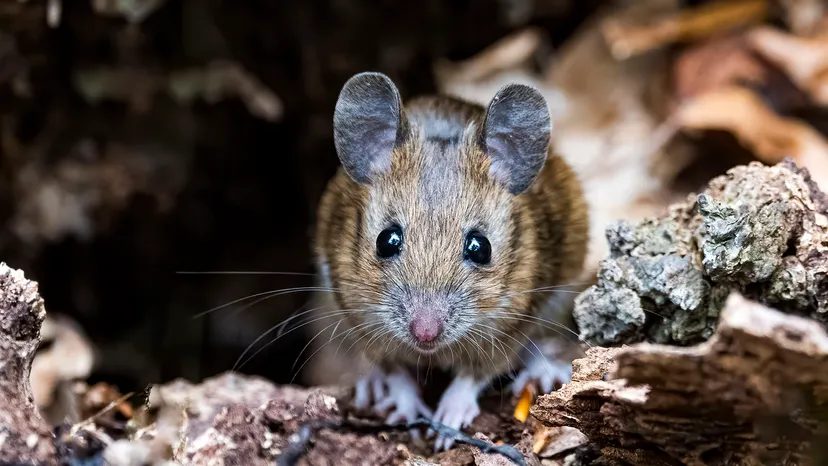
This same principle of energy conservation extends to other small mammals, including certain species of mice. While not all mice hibernate, some enter torpor to survive cold snaps or food shortages.
Hibernation vs. Torpor: What’s the Difference?
The key difference lies in duration and reversibility.
- Hibernation : A long-term state lasting weeks or months. Metabolic rate drops drastically. Animals are difficult to rouse.
- Torpor : A short-term state, usually lasting hours (nightly) or a few days. Metabolic rate drops significantly, but the animal remains alert and can wake up quickly.
Bats use torpor nightly. Bears use a lighter form of hibernation that allows them to wake and move. Some mice use torpor daily or weekly depending on environmental conditions.
Why Does This Matter?
Understanding these states helps researchers predict how climate change affects wildlife. Warmer winters mean less need for deep hibernation. This can lead to higher energy expenditure without adequate food sources. It’s a delicate balance. Disrupt it, and populations decline.
For humans, studying these mechanisms offers potential medical breakthroughs. How do animals protect their organs during low metabolic states? Can we apply those same protective protocols to human patients in critical care? The answers aren’t clear yet. But the clues are written in the biology of creatures that can shut down and start up at will.
4. Skunks
Forget the stereotype of skunks as merely smelly street pests. Underneath that iconic black-and-white coat lies a biological trick borrowed from the hibernating bears of the north. When winter turns brutal and food sources dry up, skunks don’t just hunker down. They enter a state known as torpor.
It is not the same deep, months-long hibernation seen in ground squirrels. Instead, skunks rely on short-term energy conservation. They seek out dens, often repurposed burrows or hollow logs, and let their bodily functions drop. Their heart rate slows. Their breathing becomes shallow. Metabolism plummets. This allows them to survive on stored fat reserves for days, or sometimes weeks, depending on how severe the cold snap is.
The key here is flexibility. Unlike true hibernators that may sleep through the entire winter, skunks can wake up. If a warm spell hits, or if they need to migrate to a better shelter, they can rouse themselves. This ability to toggle their metabolic state on and off makes them resilient. It also means they are still active, just barely, during the coldest nights.
Why does this matter? Because it challenges our understanding of mammalian energy management. We often think of cold-blooded animals as the only ones that can “turn off” their systems. But skunks, as warm-blooded mammals, use torpor to bridge the gap between activity and dormancy. It is a survival hack. A way to outlast the winter without paying the full metabolic price of staying warm.
This strategy is not unique to skunks. Many small mammals use similar tactics. But for skunks, it is a critical adaptation. It allows them to thrive in environments where food is seasonal and unpredictable. Without torpor, they might starve before spring. With it, they wait out the freeze. Simple. Effective.
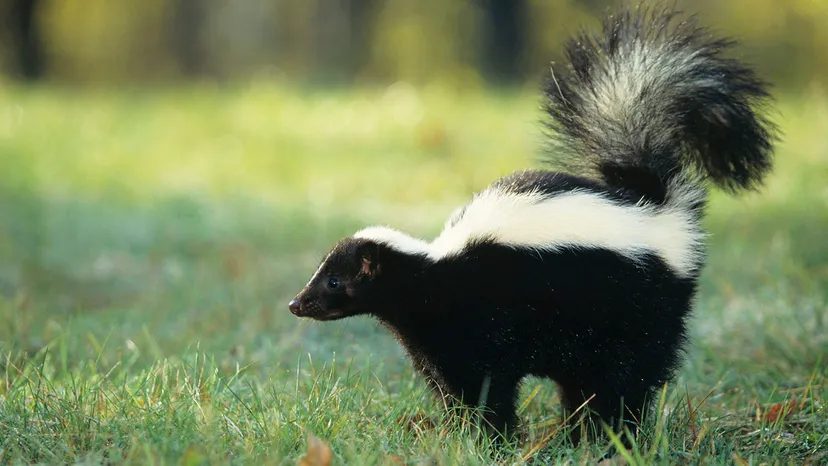
Skunks aren’t true hibernators. They don’t slip into that deep, months-long coma you might expect from a creature facing a brutal Midwest winter. Instead, they rely on something called torpor. It’s a lighter, more flexible state of dormancy.
When the temperature drops and snow piles up, skunks retreat to their dens. These aren’t random holes. They might use abandoned badger setts, hollow logs, or even crawl spaces under your porch if they’re feeling bold. Inside, they sleep for long stretches. Metabolism slows. Body temperature drops just enough to conserve energy. But they aren’t out cold.
They wake up. Often.
Every few days, or sometimes just a few hours later, a skunk might stir. It’ll stretch, maybe scratch its nose, and venture out if the weather permits. Foraging doesn’t stop entirely. They need to eat. Even in winter, there’s food to be found. Insects buried under leaf litter. Small rodents moving sluggishly. Birdseed left on a feeder. If you’ve ever seen a skunk shuffling through snow in January, that’s not a myth. That’s just a hungry animal breaking its slumber.
Torpor allows skunks to conserve energy without the risks of a full hibernation, where waking up could be fatal if food is scarce or predators are active.
The difference between torpor and hibernation is mostly about duration and depth. True hibernators like ground squirrels can sleep for weeks without eating, relying entirely on fat reserves built up in the fall. Skunks burn through those reserves faster because they wake up more often. They’re intermittent sleepers. This strategy works for them because their diet is opportunistic. They don’t need a massive, continuous food source like a hibernator does. They just need enough to keep going when they decide to get up.
Why Skunks Choose Torpor Over Hibernation
It comes down to biology and opportunity. Skunks are omnivores with a wide-ranging diet. They’re scavengers. They’re hunters. They’re also surprisingly adaptable. Hibernation requires a specific physiological setup — a way to lower body temperature significantly and suppress bodily functions for extended periods without damaging tissues. Skunks lack some of the adaptations that allow other mammals to do this safely for months at a time.
Torpor is simpler. It’s a short-term energy-saving mode. You can turn it on and off. If a warm spell hits in February, a skunk might emerge and take advantage of the thaw. A hibernator usually can’t do that without waking up fully, which is metabolically expensive. Skunks avoid that cost by staying light on their feet, so to speak. They remain aware. They remain mobile. They remain ready to bolt.
This flexibility matters. Climate change is making winters less predictable. Snow cover comes and goes. Temperatures swing wildly. Torpor gives skunks the ability to adapt to these fluctuations. They aren’t locked into a rigid hibernation schedule. They can adjust their sleep patterns based on what’s happening outside. That’s an evolutionary advantage.
What Happens Inside a Skunk Den
The den itself is crucial. Skunks don’t build elaborate nests. They take what’s already there. An abandoned burrow is ideal.


