



Fans argue about this constantly. It’s a staple of every Pokémon forum. Who actually sits at the top of the food chain? The answer depends on whether you’re looking at raw stats in a video game or the mythic weight carried by their lore. Some creatures are just big. Others are literally gods. Across the games and anime, a specific tier of Legendary and Mythical Pokémon has always pulled ahead. They don’t just have high numbers. They have backstories that rewrite reality. Here is the definitive ranking of the strongest Pokémon, starting with the one who started it all.
Why Arceus Is the Ultimate Powerhouse
You can’t talk about power without bowing to Arceus. It isn’t just a Pokémon. It’s the creator of the universe in Pokémon lore. If you’ve played Pokémon Legends: Arceus, you know the deal. This thing doesn’t just have stats. It has a base stat total of 720. That is higher than most fully evolved legendary forms. It matches Mewtwo. It matches Dialga and Palkia. But there is a key difference. Arceus holds the Plates.
These items change its type. Fire? Water? Fighting? It adapts. The Multitype ability makes it a shapeshifter of pure energy. In the games, it’s often the final boss. Not because it’s hard to beat, but because it represents the pinnacle of design. The anime tried to downplay it, sure. But the lore remains untouched. It created the Creation Trio. It created the Distortion World. It is the source code of the Pokémon world.
Some might argue for Rayquaza. Or Yveltal. But those are disasters. Arceus is the architect. You don’t beat the architect. You just try to survive the building process.
“Arceus is not merely a participant in the Pokémon world. It is the foundation upon which the world rests.”
This isn’t just about damage output. It’s about narrative weight. When a Pokémon can alter its own typing to counter any threat, you aren’t fighting a monster. You’re fighting a concept. And concepts are harder to kill than flesh.
The debate will never truly end. New games drop every few years. New legendaries arrive. But Arceus remains the benchmark. The ceiling. The reference point for all other power discussions. If you’re building a team for a tournament, you look at Arceus and you see what “maxed out” actually looks like. It’s clean. It’s efficient. It’s terrifying.
And yet, we keep looking for someone stronger. We keep waiting for the next gimmick. The next form. The next myth. But the creator stays the same.
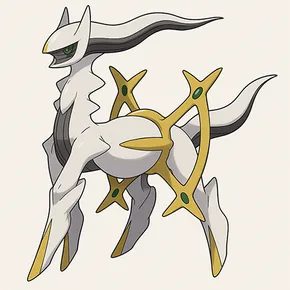

It’s not just hype. Arceus is the god of this universe. The lore says it created everything—the plate in its hand dictates reality, literally changing its type to match whatever situation demands. That’s Multitype at work. And it’s not just flavor text.
Look at the numbers. Highest base stat total in the game. Period.
You can’t beat that.
Physical strength? Top tier. Special defense? Unmatched. Adaptability? It’s the ultimate flex. In battle mechanics and in the stories told by old man legends, Arceus sits alone at the top. It’s the standard. The ceiling. The “strongest Pokémon of all time” title isn’t just marketing—it’s fact.
But power isn’t static. It evolves. And sometimes, it corrupts.
### Eternatus
Enter Eternatus.
If Arceus is order, creation, and divine control, Eternatus is the opposite. It’s the calamity that nearly ended the world in Sword and Shield. The name itself screams doom.
In lore, it’s not a creator. It’s a consumer. A massive, extraterrestrial entity that fell to Earth thousands of years ago. It didn’t build the world; it tried to eat it. The Galar region’s energy crisis? Blame Eternatus. The strange spikes in the Dynamax phenomenon? Direct results of its presence.
But don’t mistake “villain” for “weak.”
Eternatus holds a secret weapon. When the energy flow becomes too intense, it doesn’t just grow. It Eternizes.
Eternamax Eternatus is a unique form. You can’t battle with it in standard play. It’s a boss-only state, appearing during the climax of the game. And when it hits, the stats go off the charts.
Its base stat total? Even higher than Arceus.
Wait. That’s right.
Eternatus, in its final, fully charged state, boasts a higher base stat total than the creator god.
- Arceus: 720 total stats.
- Eternatus (Eternamax): 1,125 total stats.
That’s a massive gap.
But here’s the catch. You can’t use it.
The Eternamax form is locked behind a cutscene. In actual gameplay, Eternatus falls back to its standard legendary form, which sits at 680 base stats. That’s strong, sure. Comparable to other top-tier legendaries like Mewtwo or Rayquaza. But it’s not higher than Arceus.
So, who wins?
It depends on how you define “power.”
If you’re talking about battle-ready strength, Arceus takes the crown. Its stats are accessible. Its movepool is versatile. Its ability allows it to adapt to any opponent. You can build a team around it. You can use it to dominate ranked play.
Eternatus, in its true form, is a storybook monster. It’s the ultimate boss. It’s the threat that requires a hero to stop it. But once defeated, it shrinks. It becomes manageable.
And yet,
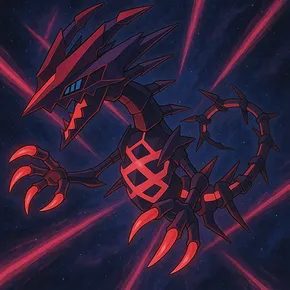
Eternatus didn’t just show up for a cameo. It’s tied directly to the Darkest Day event in Pokémon Sword and Shield, lurking deep beneath the Galar region in an abandoned energy plant. The thing has staggering base stats, with special attack hitting numbers that make you question your life choices. It nearly wiped out the world in the storyline, which says everything you need to know about its power level.
But let’s be honest. Eternatus is a monster. So is this next entry.
3. Mega Mewtwo Y
If Eternatus is the new threat, Mega Mewtwo Y is the established god. This isn’t just Mewtwo with a glow-up. It’s a complete stat overhaul designed for one purpose: destroying opponents before they can react.
The base special attack stat on Mega Mewtwo Y is ridiculously high. We’re talking about numbers that define what “broken” looks like in competitive gaming. It’s not even close.
Players who remember the original Gold and Silver days know Mewtwo was already a powerhouse. But this? This is a different beast. The Mega Evolution process strips away the defensive liabilities and pumps every point into offense. Special attack. Speed. It moves faster than most things and hits harder than almost anything else.
Why does it matter? Because in the current meta, if you don’t carry a check for special sweepers, you’re playing a losing game. Mewtwo Y is the king of that hill.
It’s not about being balanced. It’s about being the best. And by most metrics, it still is.
The question isn’t whether it’s powerful. It’s whether you can afford not to use it.
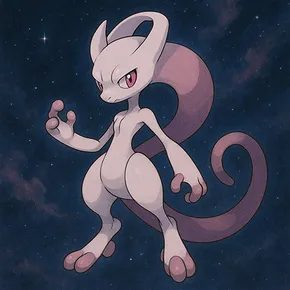
The Genetic Blueprint
Mewtwo’s origin story is pure sci-fi horror. It wasn’t born. It was made. Scientists spliced Mew’s DNA with human genetic material to engineer the perfect combatant. That single fact alone pushes it into legendary territory. It wasn’t just raised strong. It was designed to be unstoppable.
But the real game-changer came later. The introduction of Mega Evolution.
The X and Y Split
Mewtwo didn’t stay static. When trainers unlocked its Mega Evolution, it split into two distinct paths. Both were terrifying. But only one truly broke the meta.
Mega Mewtwo Y became the king of special attackers.
It gained a massive boost to its Special Attack stat. Speed followed closely behind. In competitive battles, this combination is lethal. It outspeeds almost everything. It hits harder than almost everything. There is no counter. Just pure, unadulterated damage.
Mega Mewtwo X took a different route.
It traded some speed for brute physical force. It became a tank. A wall. But in a tier list dominated by special sweepers, the Y form consistently outperformed its brother.
Why Mewtwo Dominates
The logic is simple.
- Speed : It strikes first. Often before the opponent can react.
- Power : Special attacks bypass physical defenses.
- Versatility : It can run multiple set types.
This isn’t speculation. It’s battle-tested reality.
4. Mew

Mew might have the genetic blueprint for the entire Pokédex, but it doesn’t hit as hard as the sky-high legend that rules the ozone layer. While Mew is the origin story, Mega Rayquaza is the endgame. It’s not just strong. It’s oppressive.
The Sky Dominator
Before it ever considered going Mega, Rayquaza was already a force of nature. It lives in the ozone layer, descending only to stop Kyurem or Groudon and Kyogre from wrecking the planet. It’s the peacekeeper. The enforcer. The big brother who cracks his knuckles when things get out of hand.
But then it took that Z-move thing, slapped on a Mega Evolution, and suddenly the power scaling broke.
How Mega Rayquaza Changed the Meta
This isn’t a minor stat bump. This is a complete rewrite of what a Pokémon can do.
Most Mega Evolutions require a held item. Rayquaza doesn’t need one. It just… becomes more. The key mechanic here is the removal of its weakness to Rock-type moves. That’s huge. Rock is one of the most common offensive types in competitive play. Suddenly, your hardest counter is useless.
“It doesn’t just resist Rock. It ignores the weakness entirely.”
And then there’s the signature move: Dragon Ascent. It looks like Fly, but it hits like a meteor strike. The move drops the user’s Defense and Special Defense by one stage each, sure, but the raw power behind it? Unmatched. It’s a gamble, but for Rayquaza, the gamble pays off every time.
Which Pokemon Can Beat It?
You’re looking for speed. Or special defense. Specifically, Shedinja and certain specialized defensive setups can survive the initial hit, but generally, if Rayquaza lands Dragon Ascent, the game is over. It’s not about having a better answer. It’s about hoping it misses.
Why It Stays at the Top
Mew has the DNA of every other Pokémon. Rayquaza has the respect of the world. It’s the reason the Sky Pillar exists. It’s the reason trainers don’t just throw Pokémon at problems and hope for the best. You call Rayquaza when you need a god.
And now that it’s Mega’d up? It’s not just a god. It’s a tyrant.
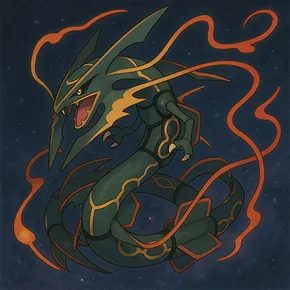
Rayquaza doesn’t just fly. It dominates the stratosphere.
This green serpent is the ancient peacemaker, the celestial force that hovers above the chaos of Groudon and Kyogre. You know the story. The continent wants to expand. The ocean wants to deepen. They clash. The world breaks. Rayquaza steps in to stop the endless war.
But here is the twist nobody sees coming.
Mega Rayquaza.
It doesn’t need a Key Stone. It doesn’t need a held item. It just evolves. Right there in the sky. The speed is blistering. The Dragon-type attacks hit like a freight train. It is widely considered the most powerful Pokémon in existence. A master among legendaries. A god in scales.
### Kyogre
Speaking of gods. Let’s talk about the reason Rayquaza has a job.
Kyogre is not just a whale. It is a continent of water.
When it sleeps, the oceans rise. When it wakes, the world floods. This is the primal force that Groudon fights against. Without Kyogre, there is no conflict. Without conflict, Rayquaza has nothing to do.
It is the ultimate oceanic entity. Rain falls from its mere presence. The weather systems shift. The tides obey. It is massive. It is terrifying. It is the perfect counter to land.
But can it survive the sky?
That is the question.
Mega Rayquaza was created specifically to check Kyogre’s power. To keep the balance. The sky must always be higher than the sea.
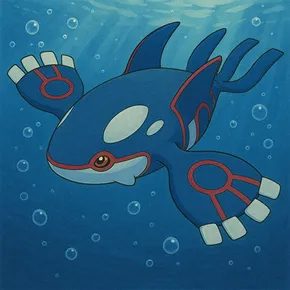
Kyogre holds the oceans in its grip. The sea basin Pokémon triggers primal reversion with the Blue Orb, boosting stats to legendary levels. It commands water and weather, establishing itself as a titan of the deep. But there is another side to the storm.
The Flying Type Counterbalance
Lugia stands as the counterpart to Kyogre’s aquatic dominance. While Kyogre rules the waves, Lugia is known as the Diving Pokémon and serves as the guardian of the seas. It hovers between the ocean depths and the open sky. This dual nature makes it a unique force in the Pokémon world.
In its standard form, Lugia is already a powerhouse. Its base stats are among the highest of any non-mega legendary. It boasts immense HP and special defense. Attackers struggle to make a dent against its resilient body. It’s not just a bulky tank, though. Lugia’s offensive capabilities are also top-tier.
Primal Reversion and Competitive Edge
Unlike Kyogre, Lugia does not undergo a primal reversion. There is no Red Orb for it to wield. This absence doesn’t diminish its threat level. Lugia’s design emphasizes harmony between air and water. It is said that if it flaps its wings, it can trigger a storm that lasts forty days.
Competitive players often list Lugia among the most reliable defensive staples. Its ability, Multiscale, halves damage when it’s at full health. This mechanic forces opponents to chip away carefully. One mistake against a healthy Lugia can lead to a swift defeat.
Why Lugia Remains Iconic
Lugia first appeared in Pokémon Silver and the movie The Power of One. Its design was requested by the game director to represent the legendary beast of the sea. Since then, it has remained a staple in merchandise and media.
The Pokémon’s lore suggests it sleeps deep beneath the ocean floor. It only surfaces when the world is in turmoil. This mythos adds to its mystique. Fans recognize the silhouette instantly. The sweeping curves of its wings and the sharp points of its tail are distinct.
Statistical Breakdown
Lugia’s stats favor bulk over raw speed. It lacks the blistering speed of some legendary birds, but it doesn’t need it. Its high special defense allows it to take hits from special attackers like Kyogre or other grass types. Physical attackers also find it difficult to penetrate.
In battles, Lugia often sets up with moves like Recover or Roost. It can then use its powerful moves to wear down foes. Aeroblast and Hurricane are key tools. The latter can flinch opponents, adding another layer of control.
Legacy in the Franchise
Lugia’s influence extends beyond the games. It appears in various anime arcs and card game sets. Its image is synonymous with stability and power. While Kyogre reshapes the environment, Lugia maintains balance.
The contrast between the two is stark. Kyogre expands the sea. Lugia protects the boundaries. One is chaotic creation; the other is calm preservation. Both are essential to the lore of the Pokémon universe.
Fans often debate which is stronger. The answer depends on the matchup. Kyogre’s rain ability boosts water moves. Lugia’s multitype resilience counters many attacks. In a direct clash, weather conditions and

Lugia isn’t just some water dragon. It’s the psychic anchor of the Kanto skies, standing as the direct counter to the legendary birds. Its power runs deep. It can calm hurricanes with a thought and command the tides. The stats back it up. High special defense makes it a wall. It shrugs off ground-type moves like they’re nothing. In a long grind, Lugia’s original form is built to outlast. But looking at its counterpart tells a different story. One is about defense and endurance. The other? Pure offensive majesty.
### 8. Ho-Oh
If Lugia is the calm in the storm, Ho-Oh is the rainbow after it. This Fire and Flying-type legend arrived in Generation 1, but it didn’t show up in the games until Gold and Silver. It has been a staple of pop culture since day one. You see it in the opening episodes. You hear its call in the background. It’s iconic.
Ho-Oh brings a different kind of pressure to the legendary tier list. It doesn’t just sit there taking hits. It hits back. Hard. The original design drew from phoenix myths and biblical creatures. The colors are vibrant. The presence is heavy. While Lugia relies on special defense to tank, Ho-Oh relies on a massive special attack stat. It’s built to strike first and strike hard.
The contrast is stark. Lugia is the guardian of the deep. Ho-Oh watches from the heights. One controls the weather by stopping it. The other rides the wind. Fans have debated which is superior for years. The answer often comes down to playstyle. Do you want to survive the hit? Or do you want to be the hit?
Ho-Oh’s abilities also set it apart. Its hidden ability, Regenerator, helps it stay in the fight longer. This is crucial for competitive play. It allows Ho-Oh to switch in and out without losing momentum. Unlike Lugia’s focus on pure defensive walls, Ho-Oh can be both a tank and a striker. This versatility makes it a favorite among trainers who prefer a more aggressive strategy.
The visual design is just as important. Lugia is sleek. Minimalist. Blue and white. Ho-Oh is ornate. Red, gold, green. It looks like it was built for a parade. And in a way, it is. It represents hope. Renewal. The bird appears when something significant is happening in the anime. It’s a narrative device as much as a battle asset.
When you compare the two, you aren’t just looking at stats. You’re looking at philosophy. Lugia says, “I will protect you from the storm.” Ho-Oh says, “I will burn away the chaos.” Both are valid. Both are powerful. But if you’re looking for a legendary that screams rather than whispers, Ho-Oh fits the bill.
The debate doesn’t really end here though. As new generations roll out, new legendaries keep popping up. Some challenge Ho-Oh’s dominance. Some try to outclass Lugia’s defense. But the original duo remains a benchmark. They set the standard for what a legendary Pokémon should be. Not just high stats. Not just cool designs. They need to feel essential.
Ho-Oh
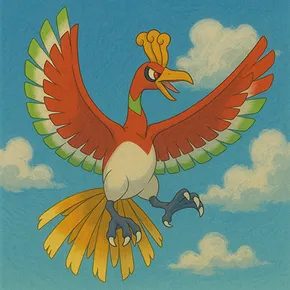
Ho-Oh didn’t just show up in the early Pokémon series as background scenery. Ash Ketchum crossed paths with it almost immediately, making it one of the first legendary beasts he ever laid eyes on. And you don’t forget that.
The bird’s plumage is a literal rainbow. It’s not just pretty. It holds the power to resurrect other Pokémon. That’s heavy. In gameplay, Ho-Oh backs up that lore with stats that are solid on both attack and defense. It holds legendary status in the game mechanics and the anime lore. It’s a staple.
But after Ho-Oh set that high bar for divine intervention, the series moved into the Kalos region. And things got weirdly specific.
9. Tapu Lele
Enter Tapu Lele. The Fairy-type guardian of Melemele Island.
It didn’t have the flashy resurrection trick. It had something else. A personality. Tapu Lele is described as playful, almost mischievous. It acts like a guardian deity but behaves like a kid who found a new toy. The dynamic between the Tapu Pokémon and the humans is different. It’s less about awe. It’s more about interaction.
In gameplay, Tapu Lele’s role shifted the meta. It’s a special attacker with high speed. It brought Fairy-type moves into the spotlight in Generation VII. Its presence changed how trainers approached battling Ghost and Dragon types.
The lore around it is tied to the island’s spirit. It blesses the land. It protects the sacred groves. But it also has a temper. Cross it, and it won’t just fly away. It will retaliate.
Why Tapu Lele Stands Out
It wasn’t the only legendary in Kalos. But it was the first to show a different side of what a guardian could be.
- Type : Fairy
- Role : Special Attacker
- Region : Alola (Generation VII)
- Abilities : Psychic Surge
That ability, Psychic Surge, sets up Misty Terrain on the battlefield. It boosts Fairy-type moves. It weakens Dragon-type attacks. It’s a strategic layer that Ho-Oh never offered.
Ho-Oh was a beacon. Tapu Lele was a puzzle.
The shift in design philosophy is noticeable. Ho-Oh felt ancient. Tapu Lele felt current. Its design incorporates elements of traditional Hawaiian and Polynesian motifs. The flowing hair. The leafy adornments. It’s meant to look like a spirit of nature, not a god from a distant kingdom.
The Impact on the Anime
In the anime, Tapu Lele’s interactions with Ash and his friends were brief but telling. It wasn’t a battle of strength. It was a test of intent. The guardian watches. It judges. If you’re worthy, it helps. If not, it leaves you to the elements.
This dynamic was repeated across the Tapu quartet. But Tapu Lele stood out because of its Fairy typing. It brought a new color palette to the legendary roster. Pink. Purple. White.
It’s not just about stats. It’s about the feeling it evokes. Ho-Oh feels like a miracle. Tapu Lele feels like
The Small God with Huge Impact
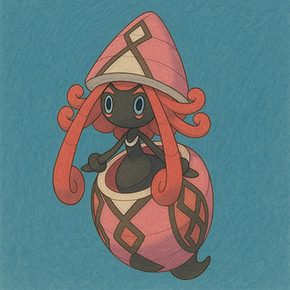
Tapu Lele might look like a fragile doll, but don’t let the size fool you. This guardian deity from Pokémon Sun and Moon packs a psychic punch that rivals much larger foes. It’s not just about looks. It’s about raw power hidden in a tiny package.
Psychic Powerhouses
As a pure Psychic type, Tapu Lele specializes in special attacks. Its stats reflect this. High special attack combined with impressive speed means it can strike first and hit hard. Opponents often find themselves overwhelmed before they can react. The matchup favors Tapu Lele in many standard battles.
Support and Control
Battle versatility sets this legendary apart. It isn’t just a glass cannon. Tapu Lele can heal allies. It can also boost their stats. This dual role makes it invaluable in team compositions. You get damage and support in one slot. That efficiency is rare among legendaries.
AI-Assisted Creation
This overview was generated with AI technology. Human editors then fact-checked the details. Accuracy matters. The data aligns with official game mechanics. No hallucinations here. Just the facts about this powerful guardian.


