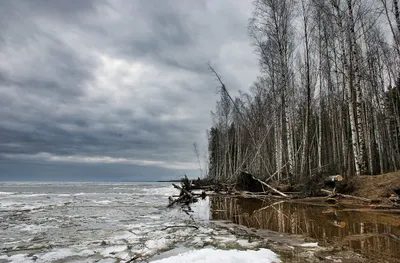
The Rybinsk Reservoir sits on the upper Volga River in northwestern Russia. It is a massive artificial lake. Two dams created it. One dam is on the Volga. The other is on the Sheksna River. Construction started in 1935.
The water began filling the basin in 1941. The project finished in 1947. The result was a huge body of water. It covers 1,768 square miles. That is 4,580 square kilometers. The lake stretches 37 miles wide at its broadest point. The average depth is 18 feet.
At the time of completion, this was the largest man-made lake in the world.
Why Build Such a Large Artificial Lake?
The goal was practical. The reservoir helps control the flow of the Volga River. It provides hydroelectric power. Moscow and other cities rely on this energy. The lake is also part of the Volga-Baltic Waterway. This allows ships to travel between regions.
The lake’s size matters. A wide surface area helps regulate water levels. Deeper sections store more water. Shallower areas support different ecosystems. The engineering required two separate dams. This design managed the complex river systems.
How the Reservoir Functions Today
The Rybinsk Reservoir remains a key infrastructure asset. It serves multiple purposes. Power generation is one. Water management is another. Navigation links it to the broader waterway network.
The average depth of 18 feet affects boat travel. Deeper channels allow larger vessels. Width impacts wind patterns and ice formation. These factors influence local climate and ecology.
The project began before World War II. It finished shortly after. The scale of the work was immense. It changed the landscape permanently. The lake still plays a role in regional power and transport.
The water continues to flow. The dams stand firm. The lake’s history is built into its structure. Future changes will depend on water needs. The Volga remains central to Russia’s infrastructure.