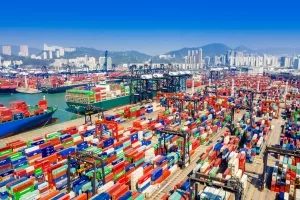
If you are waiting on a new gadget or a bicycle, check your tracking number again. The delivery date has likely shifted. You are not alone. A massive bottleneck is clogging global shipping lanes. It is not just a local issue. It is a worldwide container backlog that is dragging out supply chains.
The question isn’t really if things will be delayed. It is how long.
Ships are sitting offshore. Ports are jammed. The sheer volume of goods moving across oceans has created a gridlock that feels almost permanent. To understand why your package is stuck, you have to look at the ports. Specifically, you have to look at where the ships are waiting and what is actually blocking them.
The Port Congestion Reality
Ports were never designed for this volume. The surge in consumer demand post-pandemic collided with logistical inefficiencies. Trucks couldn’t move containers fast enough. Warehouses ran out of space. Cranes worked overtime, but it wasn’t enough.
Now, the ships are queuing up. This isn’t just a few boats. It is hundreds. They wait for days, sometimes weeks. The situation at major hubs is critical.
“The backlog isn’t just about too many ships. It’s about the disconnect between arrival times and the capacity to unload and move goods inland.”
This disconnect creates a ripple effect. When a ship waits, it misses its next slot. That ship’s slot is pushed back. The cycle continues. The result is a slow-motion crisis that affects everything from electronics to basic household items.
What Are Ships Actually Waiting For?
It’s not just open water. It isn’t empty docks. The ships are waiting for specific conditions that allow them to offload cargo.
- Dock Space: The most obvious hurdle. If the terminal is full, the ship circles.
- Labor Availability: Stevedores and truck drivers are in short supply in many regions. It takes time to get the right people to the right place.
- Customs Clearance: Documentation isn’t always ready. Errors in paperwork can hold up a container for days.
- Intermodal Transport: Getting the container off the ship is only half the battle. It needs a truck or train to take it inland. If those vehicles are scarce, the ship can’t leave the port.
The interplay of these factors creates a perfect storm. A delay in one area stalls the entire process.
Why This Matters for You
You might think this is just business logistics. It’s not. This affects your wallet. It affects your choices.
When supply chains break, prices go up. Scarcity drives inflation. If you need a specific part for your car or a toy for a holiday, you might find it unavailable. Or available, but at a premium.
The global economy is interconnected. A blockage in one port can cause shortages on another continent. This isn’t a temporary glitch. It’s a structural shift in how goods move.
What Comes Next?
No one has a clear timeline. Some experts predict a gradual easing. Others warn of prolonged disruptions. The key is to monitor shipping news. Keep an eye on port status updates.
For now, patience is the only strategy. Order early. Expect delays. The system
Waiting sucks. Whether you are stuck behind a truck on the interstate or standing in line for a rapid test at the clinic, nobody enjoys the idle time. If you are already running late for a meeting or a date, that initial delay doesn’t just stay with you. It ripples out. It hits the next person. It creates a domino effect of missed connections and cascading failures.
This is exactly what is happening in the global economy right now. The traffic jam isn’t on the road. It is sitting in the ocean. And it is clogging up the world’s most critical ports. When these choke points fail, the shockwaves are felt almost everywhere. Consider that over 90 percent of intercontinental trade moves by ship. In Germany alone, two-thirds of all exports leave via sea route. The system is dependent on flow. Flow has stopped.
How Severe Is The Current Port Congestion?
To measure the depth of this disruption, Swiss logistics giant Kühne + Nagel recently released their “Global Disruption Indicator.” The metric is brutally simple. It calculates how many days containers are stuck waiting to enter a port.
Think about a ship carrying 10,000 containers. If those containers wait five days to dock, that port accumulates 50,000 days of “container wait time” on the ledger. It is a cumulative score of inefficiency.
The index tracks nine of the world’s busiest hubs. You are looking at major Chinese ports like Hong Kong and Shanghai. You are also looking at key US gateways, specifically Los Angeles and Savannah. Savannah is currently drowning in backlog.
When you add up the wait times across all nine ports, the total sits just above 11.5 million days. That is an almost incomprehensible amount of wasted time. The data shows that North American ports are responsible for roughly 80 percent of this total delay. In “normal” times, the combined index for these nine ports rarely breaks one million days. The current numbers are not just high. They are an order of magnitude worse.
The Anatomy Of The Bottleneck
Why did it get this bad? The answer lies in the mismatch between supply and demand. During the height of pandemic-related lockdowns, consumer spending in the West skyrocketed while factories in Asia slowed down. When production resumed, it didn’t just match demand. It outpaced it.
Shipping lines had slashed capacity during the lean months. Now, they are trying to process months of pent-up demand through infrastructure that was never designed for this volume. Trucks aren’t just waiting at the port gates. They are backing up onto the highways. Containers are piled up in yards so high they block access to other stacks. Cranes can only work so fast. Labor shortages in trucking and warehousing mean that even when goods clear the water, they don’t move inland quickly enough.
Which Ports Are The Worst Offenders?
Los Angeles and Long Beach have historically been the flashpoints. Their combined yard space fills up faster than the adjacent rail terminals can load trains. Trucks wait hours just to drop off or pick up a container. This causes idling emissions to spike and driver schedules to collapse.
But the trouble isn’t isolated to the US West Coast. Savannah, Georgia, has seen its share of chaos. As a major entry point for goods destined for the American South and
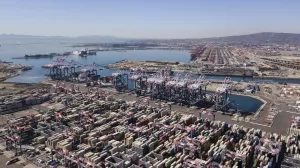
Why Global Shipping Bottlenecks Persist
The root cause of the current delays isn’t a mystery. It comes down to one thing: the pandemic. Travel restrictions played a role. But the real culprit behind the massive container backlog is China’s strict Zero-Covid strategy.
In 2021, several major Chinese ports shut down completely. Or at least partially. The reason was simple. Workers tested positive. When that happens, ships have no choice but to wait. Some vessels sat on the open ocean for weeks. They waited just to dock.
Once those ports finally reopened, the backlog hit hard. The stored containers moved quickly. But this rapid movement overwhelmed the next links in the chain. Los Angeles became the new pressure valve.
Data from the Kiel Institute for the World Economy confirms this shifting burden. When congestion dropped at Chinese ports, it spiked in Los Angeles. The inverse was true as well. The crisis didn’t disappear. It just moved geographically.
What Happens Next?
Predicting when things will calm down is difficult. The timing remains uncertain. According to the same institute, the trajectory of the Omicron wave in China is the deciding factor. If new lockdowns occur, the ripple effect will hit global supply chains again.
The problem isn’t just at the source. The final leg of the journey is also broken. There is a chronic shortage of truck drivers in many regions. This shortage prevents goods from leaving ports on time.
Empty containers pile up at transfer hubs. They take up space. They block storage areas. Because trucks can’t haul them away fast enough, the containers aren’t emptied. They aren’t repaired. They aren’t made ready for reuse. The cycle continues.
The Ripple Effect of Labor Shortages
Why does a lack of drivers matter so much? It’s not just about waiting. It’s about space. Ports have limited room. When containers sit untouched, that space is lost.
This creates a domino effect. Fewer empty containers available means fewer shipments can be loaded. The delay isn’t measured in hours anymore. It’s measured in weeks.
Is there a fix? Not immediately. The infrastructure is stretched. The workforce is thin. And the pandemic rules are still in flux.
The supply chain is only as strong as its weakest link. Right now, that link is the driver who can’t get to the dock. Or the worker who can’t get to the port. Until those gaps are filled, the ships will keep waiting. And we will keep paying for the delay.
Does this mean prices will stay high? Probably. The cost of waiting is baked into everything we buy. From electronics to groceries. The bottleneck is real. And it’s not going away soon.