The 1990s didn’t just happen. It screamed, it wept, and it rapped its way into history. We aren’t just talking about a decade of baggy jeans and dial-up internet. We are talking about a sonic landscape so dense, so varied, that it still dictates how we listen to music today. From the grunge garage to the pop superstar arena, the 90s songs that defined this era did more than top the charts. They captured the mood of a generation that was tired of the excess and ready for something real.
If you’ve ever screamed lyrics into a steering wheel or cried to a ballad when no one was watching, you know exactly what I mean. These tracks are the soundtrack to our lives. They are iconic. They are surprising. And they still hit just as hard now as they did thirty years ago. Let’s dive into the essential list.
1. ‘…Baby One More Time’ — Britney Spears
This wasn’t just a song. It was an event. When Britney Spears dropped this teen pop anthem, she became a household name overnight. The video? Iconic. The schoolgirl theme? Unforgettable. But the real power lay in the hook. It was undeniable.
Britney didn’t just sing; she launched an era. She paved the way for a wave of pop artists who followed, ushering in a period of bubblegum brilliance that dominated the airwaves. You can’t talk about 90s songs without mentioning how this single track shifted the entire industry. It was the sound of innocence meeting ambition.
2. ‘Smells Like Teen Spirit’ — Nirvana
If Britney was the face of the new pop, Kurt Cobain was its soul. ‘Smells Like Teen Spirit’ was the unofficial anthem of the grunge scene. But calling it a “hit” undersells what it actually was. It was a cultural shift.
The distorted guitars kicked down the door. The angst-laden lyrics gave voice to a generation fed up with the polished, artificial pop of the previous decade. It wasn’t about being cool. It was about being real. This track proved that raw emotion could dominate the mainstream. It changed the radio. It changed the fashion. It changed everything.
3. ‘Fantasy’ — Mariah Carey
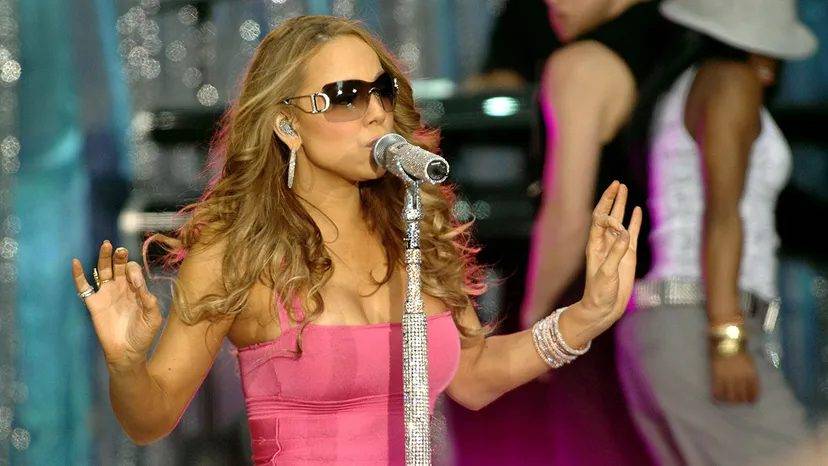
Mariah Carey didn’t just sing the notes; she flew over them. ‘Fantasy’ arrived in 1995, and it did something brilliant. It fused pop with hip-hop in a way that felt natural, not forced. By sampling Tom Tom Club’s ‘Genius of Love,’ Marah created a groove that was impossible to ignore.
This track wasn’t just about vocal range. It was about crossover appeal. It showed that R&B and hip-hop could sit comfortably at the top of the pop charts. ‘Fantasy’ proved that versatility was the key to longevity. While others were fighting for attention, Marah was building an empire. The beat dropped. The vocals soared. And the rest, as they say, is history.
The Hip-Hop Crossover That Changed Pop
The track in question didn’t just sit comfortably in the pop lane; it dragged hip-hop into the mainstream spotlight with zero apologies. Mariah Carey’s angelic whistle tones collided headfirst with Ol’ Dirty Bastard’s gritty, raw flow. It was a collision of worlds that felt dangerous at the time. Critics called it risky. Listeners called it addictive. That fusion of pristine R&B vocals with hard-hitting rap edges didn’t just sell records. It rewired the blueprint for how pop and R&B could interact, paving the way for a decade of genre-blurring hits.
Destiny’s Child Break the Mold
Then came “Say My Name.” It wasn’t just a hit; it was a declaration of independence wrapped in tight harmonies and a production that sounded like it came from the year 3000. The song tackled trust issues and self-worth with a confidence that felt ahead of its time. For Destiny’s Child, this was the moment they stopped being a girl group and became a cultural force. It laid the groundwork for the solo careers that would follow, particularly Beyoncé’s, cementing their legacy not just in charts, but in history.
J.Lo’s Latin Invasion Begins
Jennifer Lopez didn’t just enter the music scene; she crashed it. “If You Had My Love” arrived with a sultry, Latin-infused energy that couldn’t be ignored. It was her debut single, and it worked exactly as intended: it introduced J.Lo to the world not just as an actress, but as a bona fide pop powerhouse. The track bridged the gap between her movie star persona and her musical ambitions, signaling the start of a multimedia empire that would define 2000s celebrity culture.
Christina Aguilera’s Vocal Flex
Christina Aguilera took the pop princess title and stretched it. “Genie in a Bottle” was playful, sure, but underneath the catchy hook was a vocal performance that demanded respect. She showcased a range that could rival the veterans, proving she wasn’t just a manufactured pop act. The song highlighted her ability to deliver both powerhouse belts and delicate nuances, establishing her as a serious contender in a market saturated with teen idols. It was a reminder that you could be fun and technically proficient simultaneously.
Lauryn Hill’s Lyrical Masterclass
Lauryn Hill didn’t ask for permission. “Doo Wop (That Thing)” was a complex tapestry of soul, hip-hop, and sharp social commentary. It sounded like a throwback to the golden era of R&B but carried a modern, biting message. The track was a warning shot to society, delivered with such lyrical dexterity that it felt both timeless and urgent. It wasn’t just about romance or partying. It was a showcase of Hill’s intellectual depth and musical versatility, proving that a single could be a thesis statement.
Toni Braxton’s Heartbreak Anthem
“If You Leave Me” might be the more upbeat tune, but it’s “Un-Break My Heart” that defines Toni Braxton’s legacy. This mega-ballad was a cinematic experience in audio form. Braxton poured raw, unfiltered emotion into every note, capturing the sheer devastation of loss. The soaring chorus didn’t just rise; it exploded. It remains unforgettable not because of its complexity, but because of its
The ’90s Soundtrack: How Crossover Hits and Raw Emotion Defined a Decade
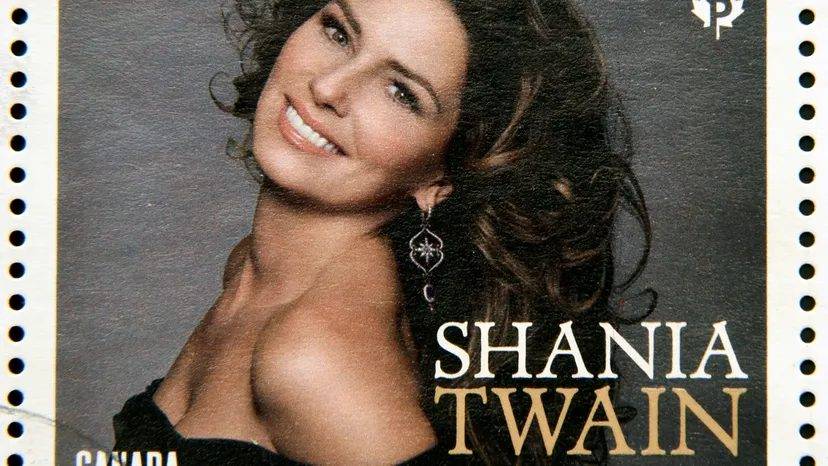
That Shania track wasn’t just country-pop fusion. It was a declaration. Sass, melody, and zero tolerance for nonsense. It crossed over so hard it lit up every chart and dance floor in sight.
Then came the chaos. “Jump Around” by House of Pain turned mosh pits into mandatory dance zones. That horn sample? Unforgettable. People didn’t just listen; they jumped. It remains a party starter, decades later.
Fatboy Slim took a different route. “Praise You” was an electronic anthem built on a sample-heavy beat and a famously DIY video. It proved dance music could be weird, wonderful, and still top the charts.
TLC kept it real with “No Scrubs.” An anthem for women done settling. Their blend of R&B, girl power, and hooks defined a moment in 90s pop. You couldn’t ignore it.
Dr. Dre changed the game with “Nuthin’ but a ‘G’ Thang” featuring Snoop Dogg. West Coast hip-hop got its swagger. The production was tight. The sound shifted rap forever.
Alanis Morissette brought the rage. “You Oughta Know” was witty, emotional, and complex. A woman rocking with lyrical bite. It became a feminist anthem overnight.
Portishead offered a different kind of intensity. “Glory Box” was a haunting trip-hop ballad. Vulnerability met strength. The delivery was sultry, the feel cinematic. A cult favorite that still resonates.
Third Eye Blind’s “Semi-Charmed Life” looked bright and bouncy. Underneath? Dark lyrics. Some of the decade’s most troubling themes hidden behind an unforgettable chorus.
OutKast played with form. “Rosa Parks” mixed funk, hip-hop, and lyrical playfulness. They didn’t just rap. They redefined what the genre could be.
Natalie Imbruglia’s “Torn” hurt. Good. Guitar riffs, angst, and aching vocals. It became a global hit and the go-to for breakup playlists.
Dave Matthews Band brought dreamy emotion with “Crash Into Me.” Jam-band musicianship met poetic storytelling. A 90s favorite that still gets hands swaying.
The Backstreet Boys peaked with “Everybody (Backstreet’s Back).” Halloween-themed video, infectious chorus. It cemented their place at the top of the boy band hierarchy.
And then, the Spice Girls. “Wannabe” was friendship with a side of girl power. It introduced the world to the group and sparked a global pop phenomenon.
Grief took center stage with Puff Daddy’s “I’ll Be Missing You.” Featuring Faith Evans and 112, it was a tribute to the Notorious B.I.G. Rap, gospel, and Sting’s “Every Breath You Take” blended into a classic about loss.
Janet Jackson turned pain into movement. “Together Again” celebrated life, loss, and love. Upbeat, danceable, heartfelt. One of her most enduring songs.
This list exists thanks to AI technology, then was fact-checked and edited by a HowStuffWorks editor. But the music? That was real. It still is.