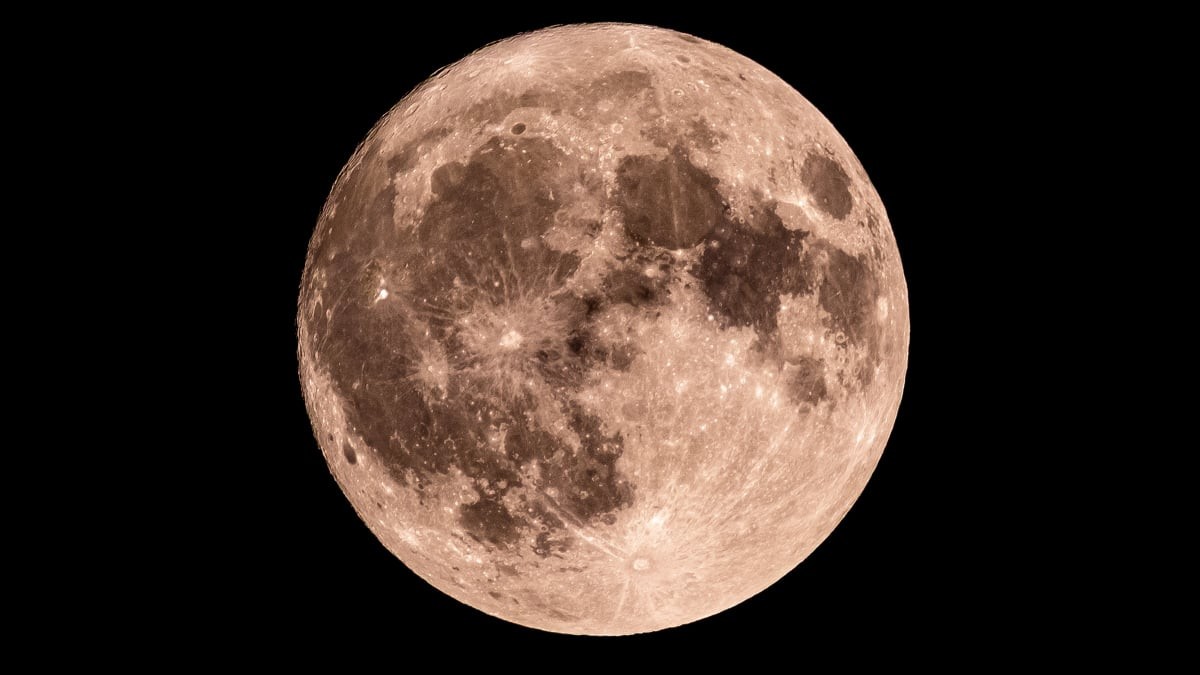
71 percent lit, waning, and slightly less dramatic
It’s day twenty. Of the lunar cycle, meaning the Moon has been around the block a little less than once in its twenty-nine-point-five-day marathon. Today, June 6. The phase is Waning Gibbous. That sounds like a brand of cereal, but it’s just the moon shrinking back down. Specifically, seventy-one percent of its face catches sunlight tonight, according to NASA’s daily tracker. Not quite full, but hardly empty either.
What can you actually see without a space station
You don’t need a NASA budget. Binoculars work fine. A telescope helps if you want to nitpick. Look up. Spot the Mare Imbrium and the Mare Vaporum. They’re seas of lava, long since dried. Find the Tycho Crater near the bottom, bright with rays. If you’re using binoculars, go ahead and hunt for the Grimaldi Basin, the dark splotch called Mare Humorum, and the Apennine Mountains.
Telescope users? You get the bonus content. The Caucasus Mountains. And the landing spots of Apollo 14 and Apollo 16. Two dots on a rock that cost billions to reach, now visible through a lens in your backyard.
When’s the next full thing? June 29. Circle it. Or don’t. It happens anyway.
Why it looks that way
NASA says it’s simple physics. Orbit time is twenty-nine point five days. The same side of the moon always faces us—locked like a clock—but the sun shines from different angles as we rotate. So the shape changes. Slim crescent. Half-lit. Fully bright. Back to dark. The whole sequence. Eight stages. Here is the roster.
- New Moon: Between Earth and Sun. Side we see is black. Invisible. Good for stargazing deep field, bad for moon gazing.
- Waxing Crescent: Right side glows. Just a sliver.
- First Quarter: Half lit on the right. Looks like a D.
- Waxing Gibbous: More than half, less than all. Building up.
- Full Moon: Total illumination. Bright enough to cast shadows on your driveway.
- Waning Gibbous: Where we are now. Losing light on the right side (if you’re north of the equator).
- Third Quarter: Left side lit. The other D.
- Waning Crescent: Thin left sliver before it vanishes.
Is it magic? No. Just gravity and light.
“The shifting light is what produces the shapes.”
It’s not always dramatic. Sometimes it’s just there. Glowing quietly above a streetlamp. We watch it change, day after day, knowing it will do exactly what it’s doing tomorrow too.
Want more? The newsletter exists. Mashable Light Speed calls itself. You can sign up, agree to privacy policies, turn sixteen if necessary. Thanks, it says. But the moon doesn’t need permission. It just orbits.