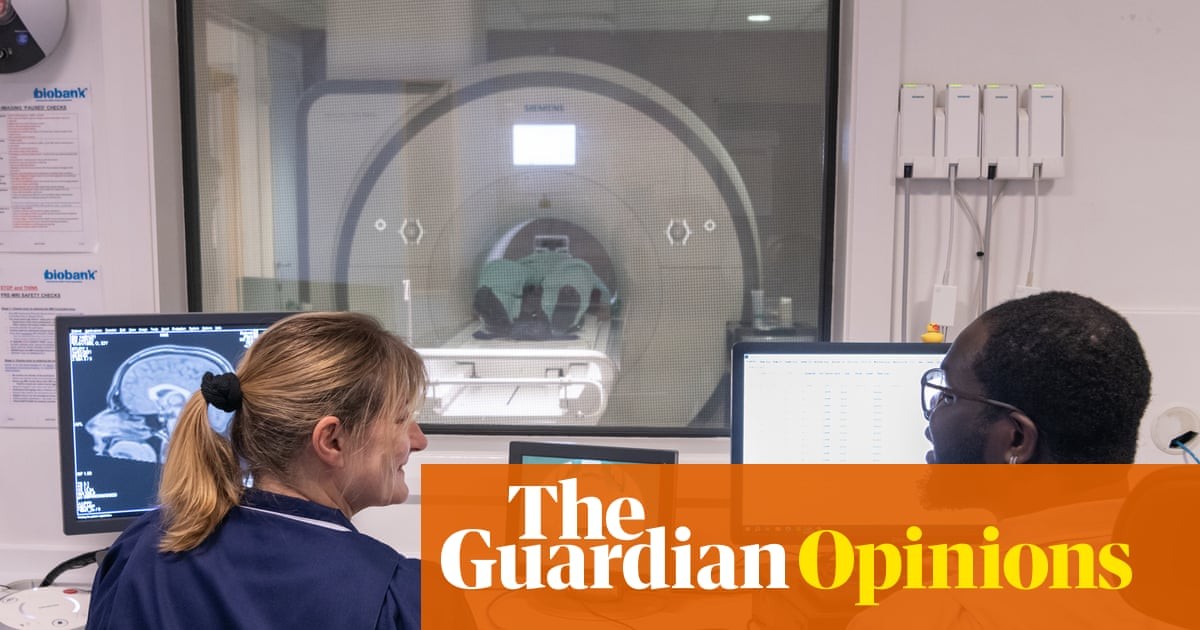
A recent security breach involving the UK Biobank has sparked a critical debate: how do we protect highly sensitive medical data without stifling the very research that saves lives?
The controversy erupted when news broke that data from the UK Biobank had been listed for sale on China’s Alibaba platform. While the incident caused a ripple of alarm in the scientific community, the reality of the breach was nuanced. According to Science Minister Patrick Vallance, the listings were the work of rogue researchers from three Chinese institutions attempting to monetize information that should remain open to legitimate science.
The Nature of the Breach
It is important to distinguish between “identifiable” data and “anonymized” data. In this instance, the listings did not include names, addresses, or NHS numbers. The Chinese government acted quickly to remove the listings, and no actual sale took place.
Despite this, the incident raised a vital question: Will such breaches cause a mass exodus of participants from vital research programs?
The immediate reaction from Biobank members was surprisingly calm. Of the 500,000 participants, only about 100 inquired about withdrawing, and only 50 actually left after being spoken to by Biobank representatives. This resilience highlights a profound public trust in the mission of large-scale medical research.
The Value of the “Data Goldmine”
The UK Biobank is not merely a collection of statistics; it is a longitudinal powerhouse. By tracking a massive cohort of individuals—originally recruited between 2006 for ages 40–69—researchers have gained unprecedented insights into human health.
The data includes everything from genomic sequencing to lifestyle factors like sleep, diet, and mental health. This depth has already yielded life-changing breakthroughs, such as:
* Early Detection: Identifying blood tests that can reveal motor neurone disease years before symptoms appear.
* Genetic Mapping: Pinpointing the single gene responsible for most Alzheimer’s cases.
* Preventative Care: Developing risk scores to prioritize overweight individuals for weight-reduction drugs.
This level of research is made possible by the UK’s centralized NHS, which serves as a superior storehouse for lifelong data compared to the fragmented, private-insurance-led systems found in the United States.
Emerging Threats: AI and “Survey Fatigue”
While the Alibaba incident was a localized breach, two larger, systemic threats loom over the future of medical research:
1. The De-anonymization Risk
Artificial Intelligence is a double-edged sword. While AI can accelerate data analysis, it also poses a unique privacy risk. Experts warn that AI tools are increasingly capable of identifying complex patterns that could “de-anonymize” supposedly anonymous data, potentially linking medical profiles back to specific individuals. This suggests that the future of data protection must rely more heavily on robust legislation rather than just technical anonymization.
2. The Decline in Participation
Perhaps more concerning than data theft is the steady decline in human engagement. Epidemiologists report a phenomenon known as “survey fatigue.” The constant barrage of trivial, low-value surveys—from delivery apps to retail feedback loops—has devalued the act of participating in research.
* In some sectors, response rates have plummeted from 80% to 40%.
* Experts note a roughly 10% drop in willing participants per decade.
The Balancing Act
There is a growing tension between security and utility. Some advocates suggest “locking down” data so that it can only be accessed in person to prevent digital theft. However, scientists warn that over-securing data makes it nearly impossible to use. With over 22,000 researchers across 60 countries currently utilizing Biobank data, the goal is to find a middle ground: protecting privacy without creating digital silos.
“The logic of absolute data security is to lock everything so tight it becomes barely usable.”
Conclusion
The UK Biobank breach serves as a reminder that while data security is paramount, the true threat to medical progress is the potential loss of public trust and participation. Protecting this “research jewel” requires a combination of rigorous legal frameworks, advanced cybersecurity, and a renewed public commitment to the collective good of scientific discovery.