The field of anti-ageing research has long been a graveyard of broken promises. From the high-profile failure of resveratrol to the underwhelming results of senolytics and caloric restriction, many “miracle” therapies have failed to move from the laboratory to the pharmacy. However, a new frontier known as partial reprogramming is currently entering human clinical trials, potentially offering a way to do more than just slow down decay—it may actually reverse it.
The Breakthrough: From Skin Cells to Stem Cells
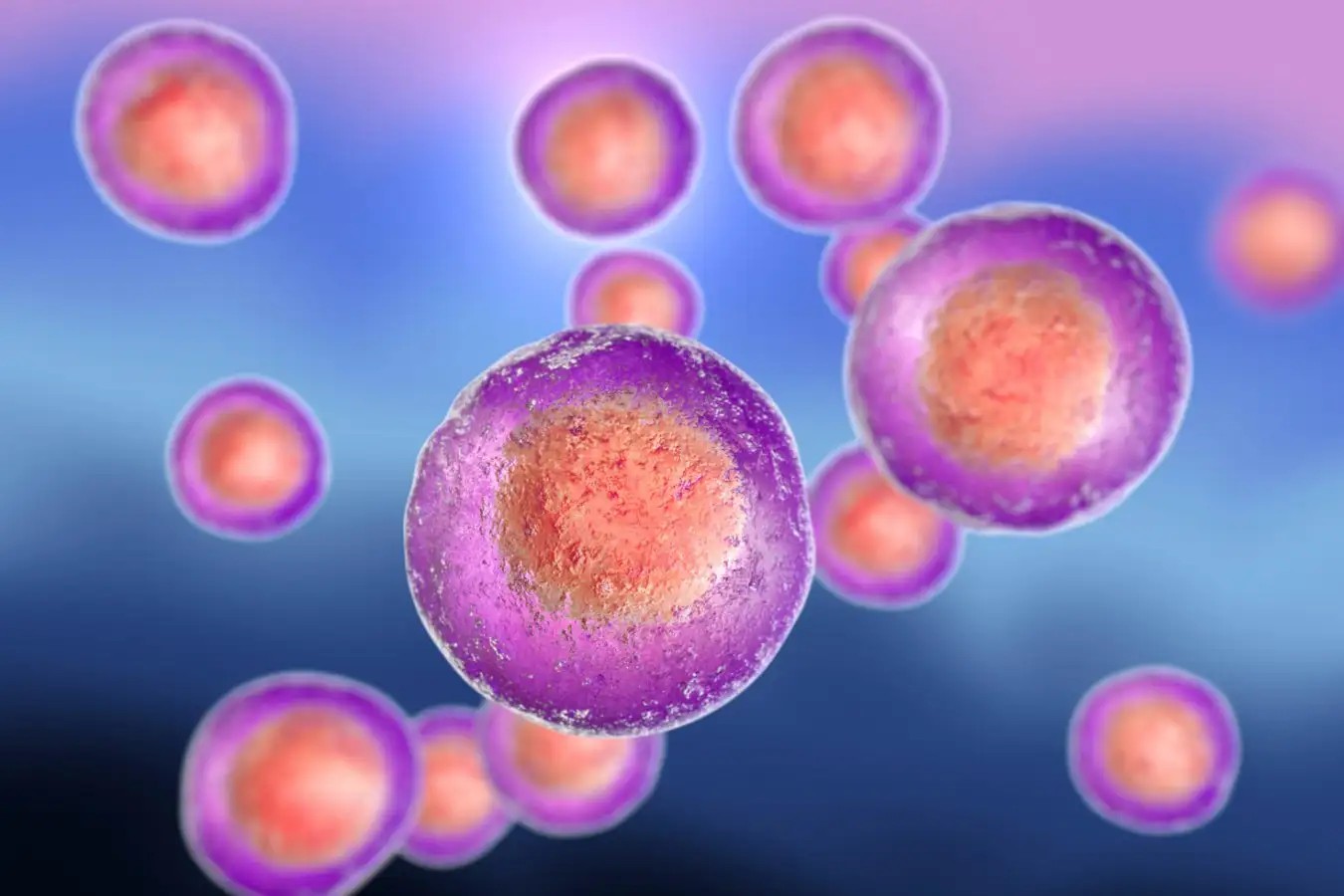
The foundation of this technology was laid in 2006 by Shinya Yamanaka. He discovered that by introducing just four specific genes (now known as Yamanaka factors ) into mature skin cells, he could “rewind” them to an embryonic-like state. These are called induced pluripotent stem cells (iPSCs).
The implications were revolutionary:
– Universal Repair: Because these cells can become almost any cell type, they could theoretically be used to replace damaged heart tissue, neurons in Alzheimer’s patients, or cells in any age-related disease.
– Ethical Advantages: Unlike embryonic stem cells, iPSCs do not require the destruction of embryos, bypassing a major ethical hurdle in biotechnology.
Overcoming the “Cancer Problem”
Despite the scientific brilliance of Yamanaka’s discovery—which earned him a Nobel Prize—the path to medical use was blocked by significant safety concerns. Early methods used retroviruses to deliver genes, which integrated into the host’s DNA and carried a high risk of triggering cancer. Furthermore, the Yamanaka factors are growth-promoting; if they stayed “switched on” indefinitely, the cells could grow uncontrollably into tumors.
For years, critics argued that the process was too dangerous and too expensive to ever be practical. However, recent scientific advancements have addressed these “deal-breakers”:
1. Safer Delivery: Researchers have replaced dangerous retroviruses with safer delivery methods, such as adenoviruses.
2. Removing Risk Factors: Scientists have found ways to achieve reprogramming without using c-Myc, a gene strongly linked to cancer.
3. The “Partial” Concept: The most significant breakthrough is partial reprogramming. Instead of turning a cell completely back into a stem cell, scientists have learned to “pulse” the genes—switching them on briefly to rejuvenate the cell and then switching them off before they can become dangerous.
The First Human Test: Eyesight and Beyond
We are now moving from theory to reality. A Phase I clinical trial is currently underway to test this technology in humans for the first time.
The trial, led by Life Biosciences, focuses on two age-related eye conditions: glaucoma and NAION (non-arteritic anterior ischemic optic neuropathy). The process is highly controlled:
– The Injection: Participants receive a single injection of a non-infectious virus carrying the modified Yamanaka factors.
– The Control Switch: An oral drug is administered to activate these factors for exactly 56 days, after which they are switched off.
– The Goal: This initial phase is designed to prove safety. If the treatment is proven safe, the next phase will determine if it can actually stop or reverse vision loss.
Why This Matters
If this trial succeeds, it won’t just be a win for eye care; it will be a proof of concept for the entire human body. Success in treating the eye could pave the way for treating any degenerative disease caused by ageing.
While we must remain cautious—given the history of “hype” in this field—the shift from permanent genetic alteration to controlled, temporary “reprogramming” represents a fundamental change in how we approach human biology.
“If just one company becomes successful… slowing down ageing would impact so much in medicine and society, that would be transformative.”
Conclusion
Partial reprogramming represents a shift from treating the symptoms of ageing to addressing the cellular root causes. While the current clinical trials are only the first step, their success could fundamentally redefine the limits of regenerative medicine.