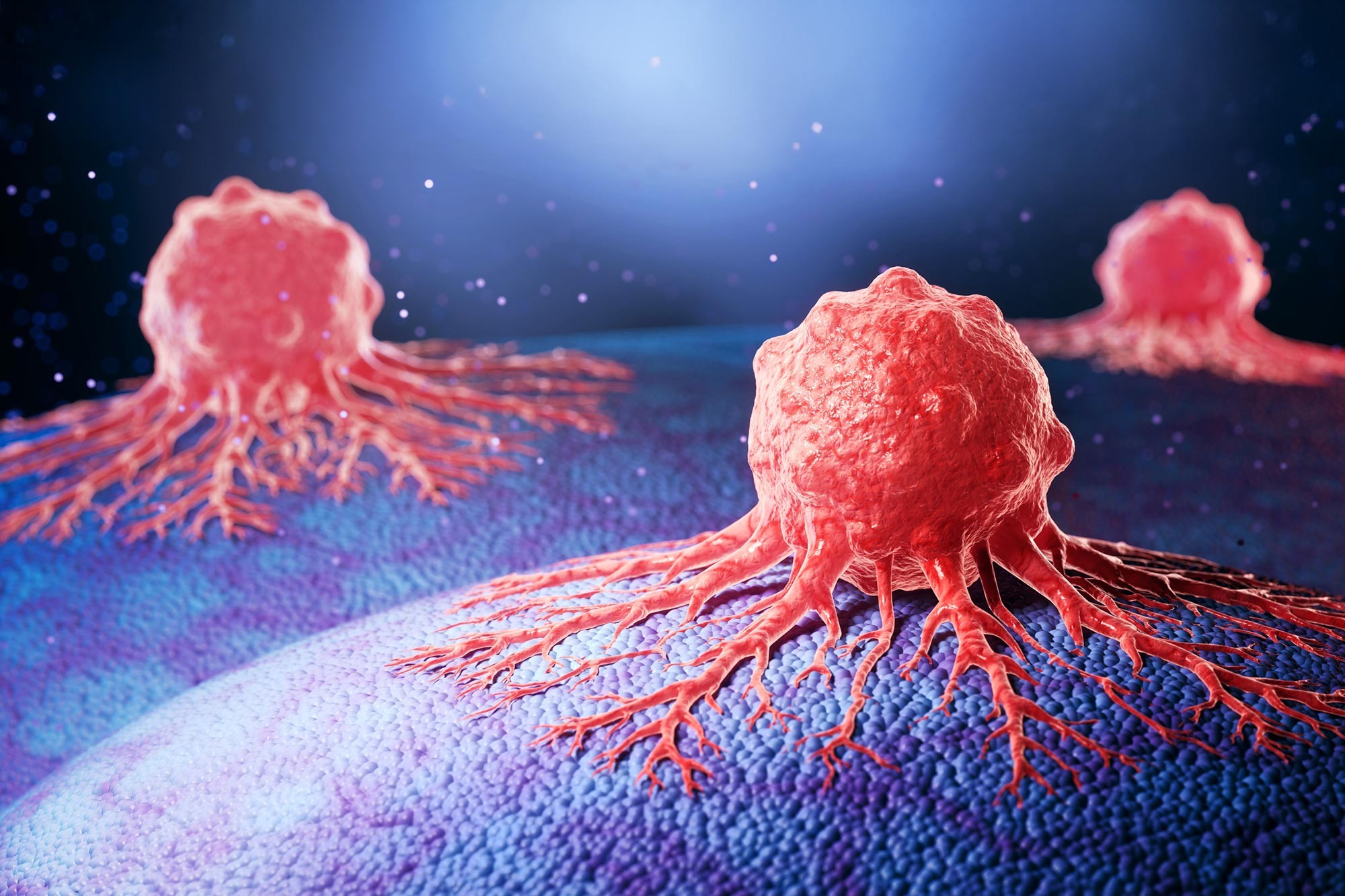
Pancreatic tumors are fortresses.
They don’t just consist of malignant cells. No. They wrap themselves in a thick layer of scar-like tissue, support cells, and immune components that effectively shield the cancer from attack. It is a protective ecosystem. And it is the main reason treatment often fails.
But a new study suggests we can pick the lock.
Researchers at Sylvester Comprehensive Cancer Center (University of Miami Miller School of Medicine) have identified a weak link: a receptor called IL1RAP. By targeting it, they might break the shield. They could make the tumor vulnerable. Existing drugs might actually get inside.
The work has moved beyond petri dishes. A first-of-its-kind clinical trial is being shaped right now. The plan? Combine an IL1RAP drug with chemoimmunotherapy. But here is the twist—the treatment happens before surgery. For patients whose tumors can still be cut out.
The Biology of Resistance
Why is this disease so hard to kill?
Look at the microenvironment. It is dense. Fibrous. This wall blocks drugs. It suppresses the immune system. It allows cancer cells to hunker down and survive stress that would wipe them out in other contexts.
Standard chemotherapy damages the bad cells, sure. But the surrounding cellular network steps in to help them recover. Adapt. The shield repairs itself.
There has been excitement lately over KRAS-targeted drugs for metastatic disease. That is progress. But applying those advances to operable pancreatic cancer takes years. We do not have years to wait for every patient who has a window for surgery. We need a strategy now. A preoperative strategy.
IL1RAP: The Central Hub
The study, published in JCI Insight, digs into how inflammatory signals move around.
Lead author Jashodeep Datta found that IL1RAP acts like a hub. A router for information. It links three things together: cancer cells, immune cells, fibroblasts (which build that fibrous armor).
“When we target IL1RAP, we’re blocking a shared helper receptor.”
Datta explains it simply. Many inflammatory signals use this receptor to send their messages. If you jam the line, you silence the message.
Blocking this hub hits several inflammatory pathways at once. This matters because pancreatic tumors often sit in a confusing state: inflamed, but immune-suppressed.
There are immune signals everywhere. But the immune cells? They are weak. Restricted. Told to stand down. The environment is hot, yet the soldiers are paralyzed.
Disarming the Shield
What happens when you cut those lines in preclinical models?
The environment shifts.
Cells that suppress immunity drop off the chart. T cells—our attackers—wake up. They get stronger. The tumors develop less fibrosis. They respond better when paired with other therapies.
Think of it not as a direct strike at the cancer cell, but as a dismantling of the base of operations. The aim is to make the territory hostile for the tumor, not just toxic to the cell.
The tumor environment becomes less protective. Standard therapies, which usually bounce off the armor, suddenly have traction.
The Clinical Leap
So the researchers are putting this into practice. A neoadjuvant trial. Treatment given while the tumor is still inside the patient.
Why before surgery?
Two reasons. One, you might shrink the cancer. Two, you get data.
Doctors can compare tissue samples. They take one piece before treatment. Then they take the whole tumor out during surgery. They can look under the microscope and ask: Did inflammation change? Did the immune cells wake up? Did the fibrosis break down?
“Moving this into a clinical trial is landmark development.”
Datta sees this as a patient-centered pivot. The science moves from the bench to the clinic without skipping steps. The trial design also helps track variation. Some patients will respond strongly. Others, less so. Those differences might eventually tell us who benefits most.
Connecting Dots to Outcomes
Peter Hosein, a co-author and colleague of Datta’s, frames it as a unique window.
“We are connecting the science directly to patient outcomes.”
That connection is how the field advances. Not just publishing papers, but watching real changes in real tissues.
The project is funded by a Translational Research Grant from V Foundation. Highly competitive. Rigorous review. Eighty thousand dollars? No—eight hundred thousand over four years. A serious investment to bridge the gap between laboratory insight and bedside application.
We do not have a cure for pancreatic cancer today. We do not even have a consistent strategy that works for everyone.
But maybe we are starting to dismantle the shield.
Will that be enough?
Only the trial will say.