A new conservation initiative is bringing hope to the critically endangered European eel population in the River Tees, transforming a former industrial waterway into a sanctuary for recovery. Funded by Natural England, the “Eels of Steel” project, led by the Tees Rivers Trust, aims to accelerate the species’ return by enhancing habitat quality and fostering public engagement with this misunderstood creature.
The Crisis: A 98% Decline
The urgency of the project is underscored by stark statistics. Since the 1980s, the European eel population has plummeted by up to 98% across all life stages. Consequently, the species is now listed as Critically Endangered on the International Union for Conservation of Nature (IUCN) Red List of Threatened Species.
This dramatic decline is not due to a single cause, but rather a “perfect storm” of environmental pressures:
* Habitat Loss & Fragmentation: Barriers such as dams and weirs prevent free movement between freshwater and marine environments.
* Pollution & Climate Change: Increasing water temperatures and chemical contaminants degrade the quality of their living spaces.
* Over-exploitation: Historical overfishing has severely impacted breeding stocks.
Why the Eel Matters
Despite their reputation as “gross and slimy,” European eels are critical components of marine, brackish, and freshwater ecosystems. They serve as both predator and prey, linking different ecological zones. However, their complex life cycle makes them particularly vulnerable to human interference.
The eel’s journey is one of nature’s most remarkable migrations:
1. Spawning: Adults travel thousands of miles back to the Sargasso Sea in the North Atlantic to breed.
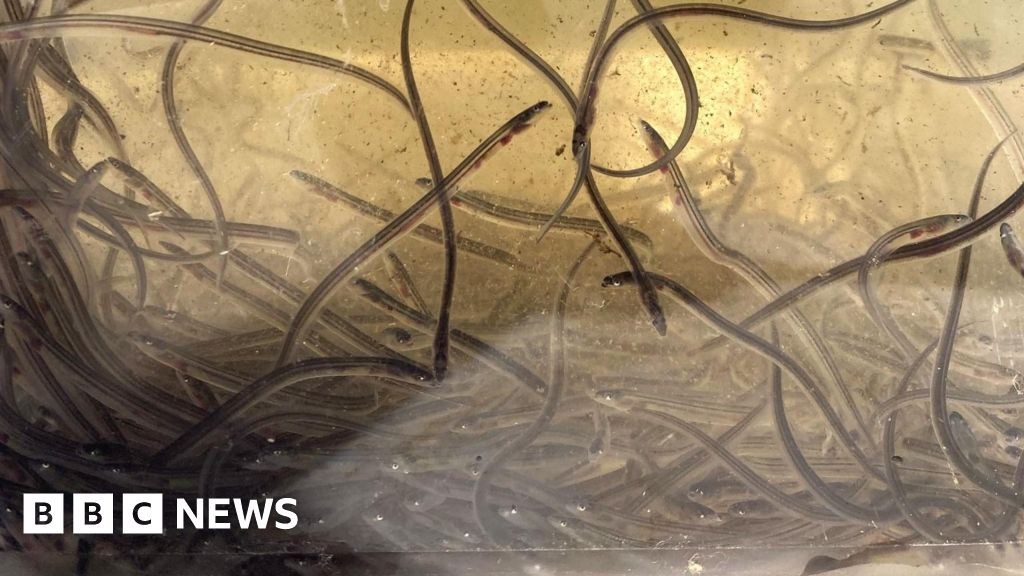
2. Migration: Juvenile “glass eels” (aged one to two years) hatch and migrate across the Atlantic Ocean to Europe. These translucent young are a marvel of adaptation, designed for open-ocean travel.
3. Growth: Upon reaching European rivers, they transform into yellow eels, growing and feeding in freshwater habitats.
4. Return: Once mature, they undergo physiological changes to become silver eels, ready to swim back to the sea to complete the cycle.
Any barrier or environmental stressor disrupts this delicate chain, threatening the species’ survival.
Project Goals: Habitat and Perception
The “Eels of Steel” scheme focuses on two parallel tracks: ecological restoration and public education.
Ecological Monitoring
Between April and November, volunteers and staff from the Tees Rivers Trust are conducting weekly counts and measurements of eels passing through the river’s barrage. This data is crucial for understanding migration patterns and assessing the effectiveness of habitat improvements. By removing barriers and improving water quality, the project aims to create a corridor that allows eels to swim freely upstream and downstream.
Changing Public Perception
Project Manager Ellie Ward highlights the challenge of overcoming public prejudice. “It is amazing to see how interested people become once they hear about their incredible life cycle,” Ward noted. She points to the mesmerizing nature of glass eels—almost translucent and perfectly adapted for oceanic migration—as a key to shifting perceptions from disgust to fascination.
“Glass eels are mesmerising, almost translucent – an adaptation to oceanic migration.”
— *Ellie